Quick Burundi Stats
TradeMark Africa in Burundi
13.4 Million (2024)
$2.15 Billion (2024)
2010
Nothern & Central
- Gold (66%) Coffee (22%) Tea (6%)
COUNTRY BRIEF
Tucked in the heart of Africa, Burundi, though landlocked and small (27,830 sq km), possesses abundant natural resources and a population whose resilience has long underpinned its predominantly agrarian economy. Home to approx. 13.4 million people, it is one of the continent’s most densely populated nations. Agriculture, chiefly driven by smallholder farmers, remains the mainstay of both livelihoods and economic activity. Following a period of political turbulence and donor disengagement between 2015 and 2020, Burundi is quietly reasserting its place on the regional and global stage. The lifting of EU sanctions in 2021, followed by the United Kingdom and the United States, signalled a renewed international confidence in the country’s trajectory. It marked both a diplomatic thaw and a moment of economic recalibration, opening the door to deeper regional cooperation and integration, donor re-engagement, and trade-led growth.

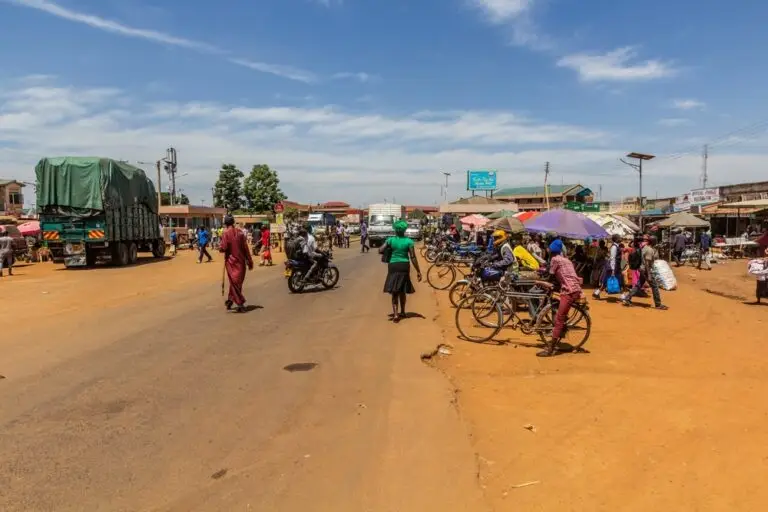
Strategically located along several trade corridors, Burundi anchors itself to the Central Corridor via Tanzania, through which more than 80% of its international trade flows. With deliberate investment and coordination, emerging opportunities through the Northern, Southern, and emerging West Corridors as well as tapping the potential of Lake Tanganyika could reposition Burundi as a more connected and dynamic player. Strengthening port infrastructure and logistics can expand its trade with neighbouring countries.
TMA has been working in partnership with public institutions, the private sector, and development partners in Burundi since 2011. TMA’s interventions have spanned modernisation of trade systems, development of cross-border infrastructure, promoting inclusive economic participation, and support to trade policy reforms and institutional governance.
Since 2011, TMA has partnered with Burundi’s public institutions, the private sector, and development partners, investing over $54 Million (between 2011 and 2017) to strengthen the country’s trade foundations. This has laid the groundwork for lasting improvements in trade systems, infrastructure and inclusive economic participation, and at the same time improving trade policy and governance.
One of the early milestones was support to the reform of the Burundi Revenue Authority (OBR), merging customs and tax services into a single more efficient institution. This contributed to a boost in domestic revenue rising from under 300 billion BIF in 2009 to over 550 billion BIF by 2013 giving the government fiscal space to invest in national priorities. TMA supported the construction of the Kobero–Kabanga One Stop Border Post, the country’s main gateway for regional trade. By simplifying border procedures, it helped reduce cargo transit times across the corridor by 70%. In the wake of the 2015 political crisis, TMA refocused its approach, placing greater attention on supporting women traders and those often excluded from cross border trade. At the same time, it deepened collaboration with critical trade agencies such as Customs and the Bureau of Standards in order to increase and support private sector integration into regional trade. A partnership with the United Nations Conference on Trade and Development (UNCTAD), led to the digitalisation of OBR’s systems, including the roll out of ASYCUDA platform and the Electronic Single Window (eSW), an automated system for processing exports and imports. As a result there has been an 80% reduction in time taken to process import permits
Today, under its third strategic phase (2023 to 2030) TMA is building on a decade of work in Burundi with a more integrated, future-facing approach, anchored around four core pillars:
- Improving the trade and investment environment
- Enhancing the quality and value of traded goods
- Advancing digital systems; and
- Promoting greener, more inclusive trade.
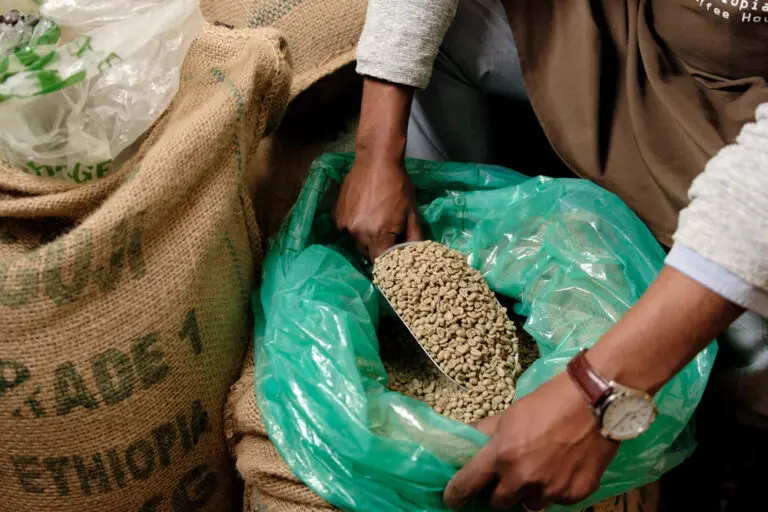
As Burundi deepens its engagement with the African Continental Free Trade Area (AfCFTA), TMA is partnering with Government institutions to adopt AfCFTA instruments and align national frameworks. At the same time, the private sector is being equipped to expand exports and navigate a more competitive regional market. Focus areas include high-potential value chains such as coffee, tea, horticulture, and mining—areas where TMA seeks to complement other donor efforts and avoid duplication.
To improve the competitiveness of Burundian products, TMA is supporting the national standards body (BBN) to secure international accreditation, to comply with global benchmarks and improve market access.
Building on earlier digital gains, efforts now extend to automating export and quality control systems, supporting e-commerce and strengthening the infrastructure needed for a modern, connected
With TMA’s support, the establishment of the Office Burundais des Recettes (OBR) nearly doubled government tax revenues between 2011 and 2015. Over 550 billion BIF was generated, and more than 600 staff were recruited to strengthen tax and customs administration.
Increased government revenues enabled by OBR contributed to the construction of key public infrastructure, including a referral hospital in Karusi Province, demonstrating the wider societal benefits of improved domestic resource mobilisation.
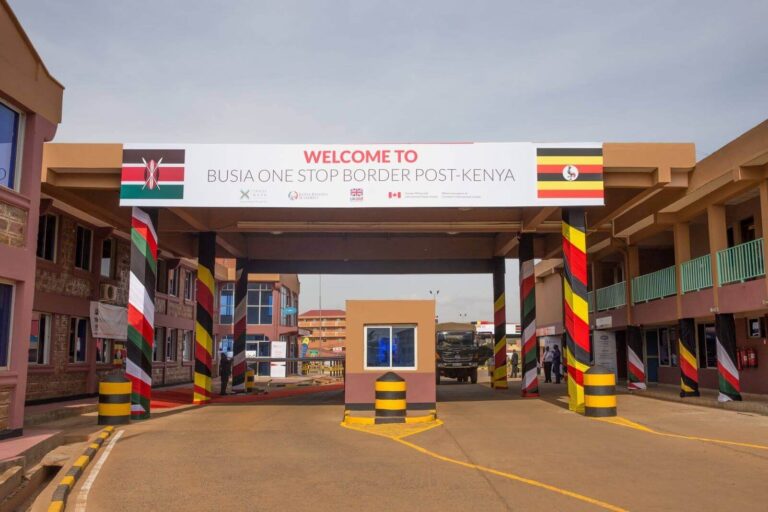
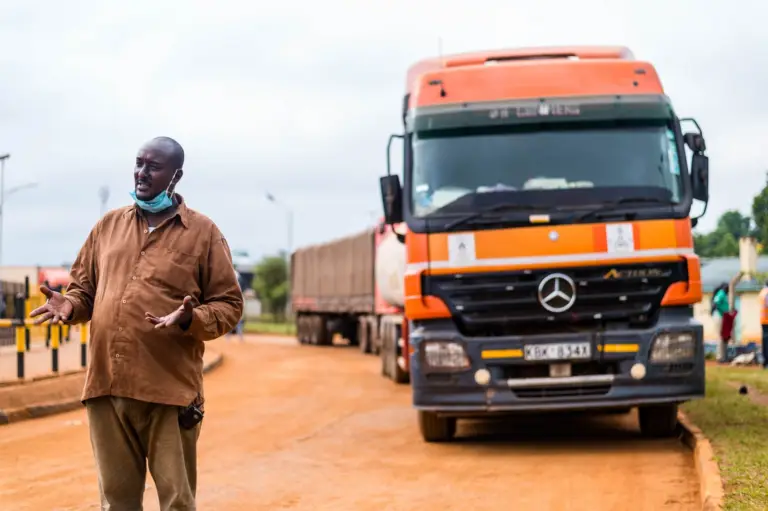
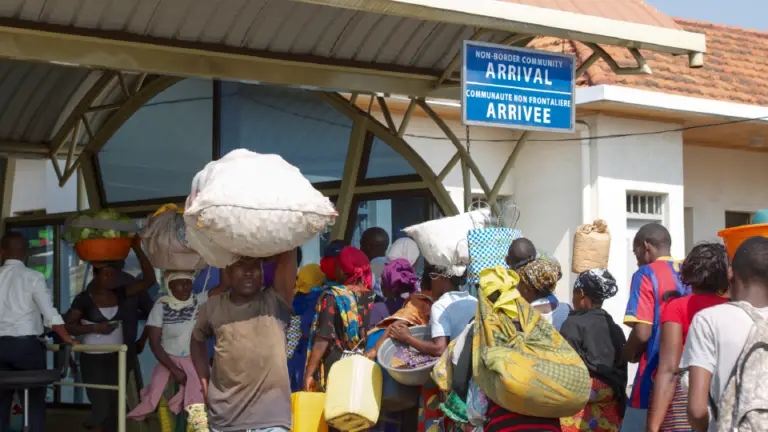
The construction of the Kobero One Stop Border Post (OSBP) on the Tanzanian border, through which 70% of Burundi’s road trade flows, has dramatically improved efficiency. Recent data shows that border crossing times have reduced from over 8 hours in 2011 to just 3 hours and 25 minutes.
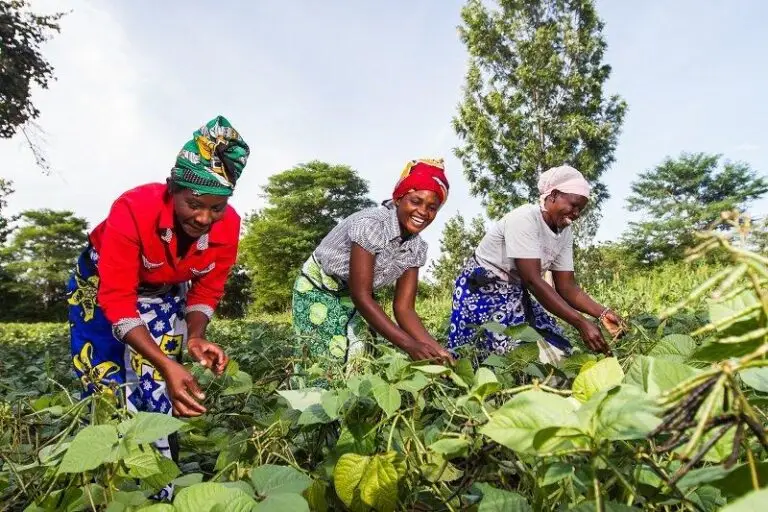
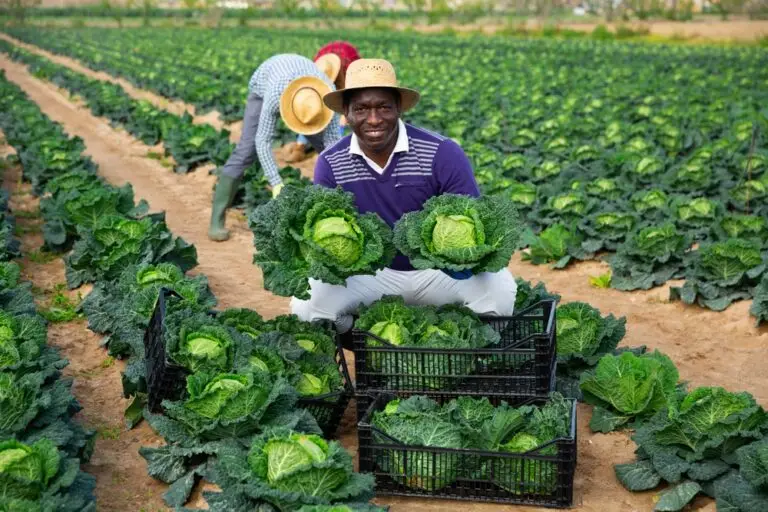
TMA-supported interventions led to a near tripling of subsidised agricultural inputs, increasing from 6.4 tonnes per year to 18.5 tonnes, thereby enhancing productivity and food security.
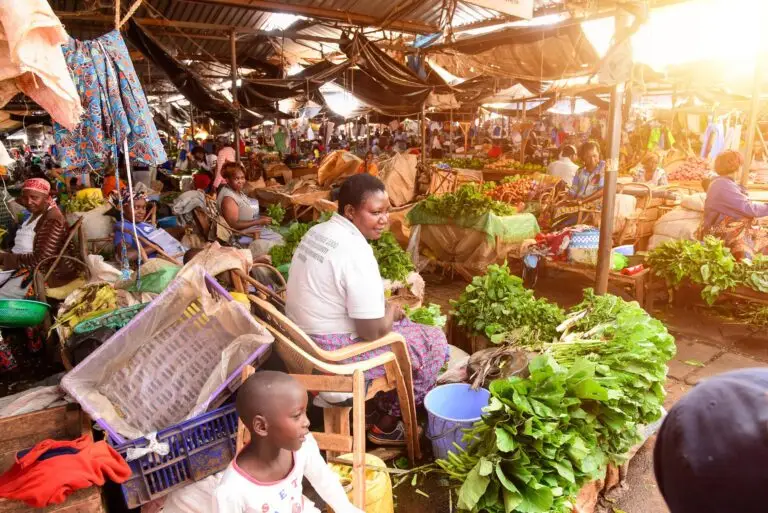
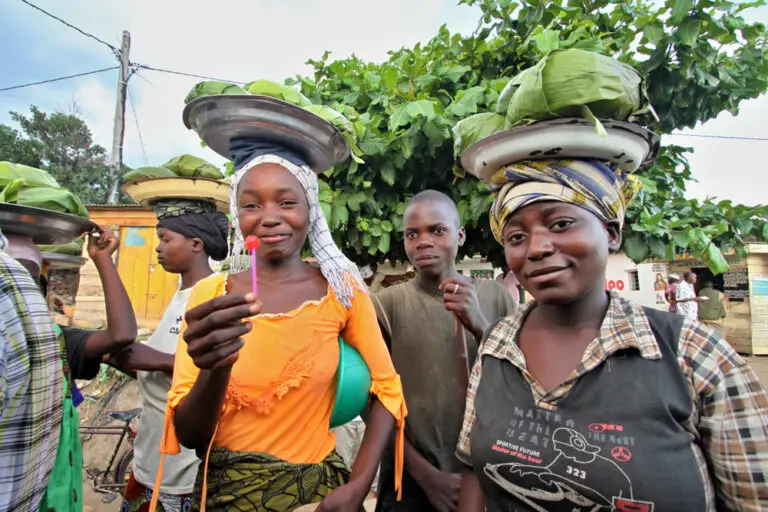
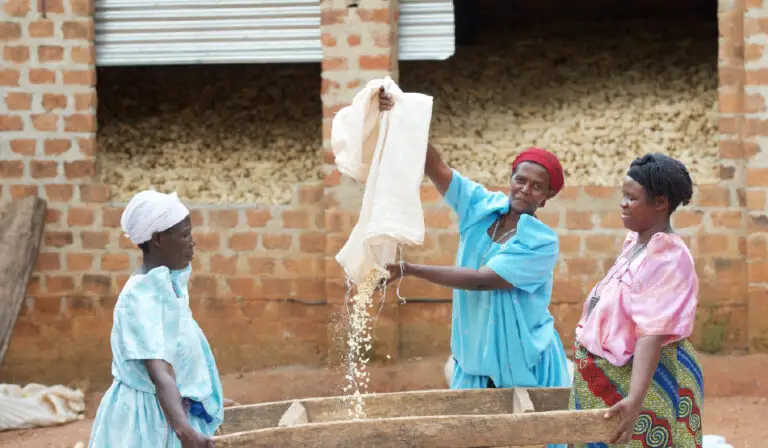
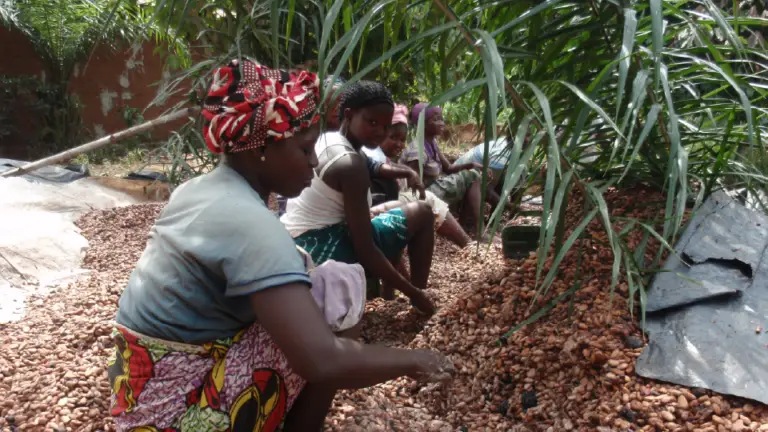
Women cross-border traders supported through cooperatives along the DRC corridor recorded a 65% increase in revenues and an 11% rise in profit margins due to access to better trading conditions.
More than 2,000 G50 farmer groups are now digitally purchasing inputs via the AUXFIN UMVA platform, improving transparency, reducing costs, and enhancing access to critical resources.
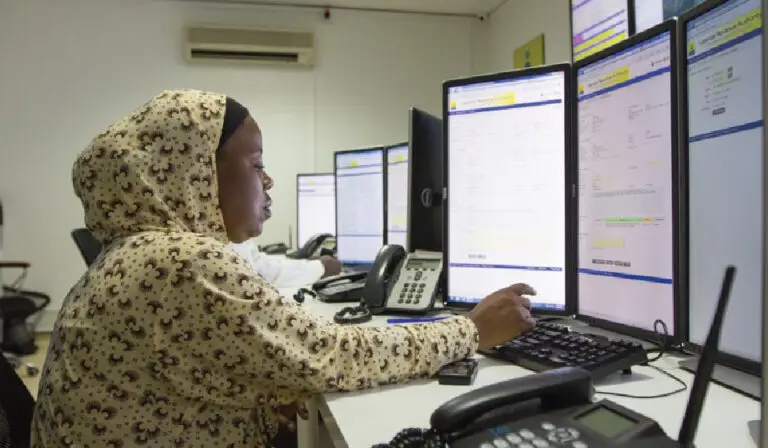
With TMA’s support, the Ministry of Health successfully deployed the digital ABREMA module for import authorisations between 2022 and 2023. The system reduced permit processing time for medicines from 12 days to under 24 hours. Over 80% of import permits are now processed online, with the reform expected to cut average clearance and transit times by 30%.

COUNTRY DIRECTOR
Christian Nibasumba is the Country Representative of TradeMark Africa in Burundi since 2019, where he oversees operations and works closely with government agencies, the donor community, private sector, and civil society organizations to steer TMA ambitions in Burundi.
With fourteen years’ work experience in various functions, primarily in economic development as well as program and grants management, Christian has in his previous career, served as Africa Regional Advisor on Economic Inclusion at Christian Aid, Grants Manager of the Public Diplomacy Section at the United States Embassy in Bujumbura, and Deputy Director of the Burundi Business Incubator.
He holds a Master’s degree MBA-Finance from United States International University-USIU-Nairobi and a Bachelor’s degree in business management & administration from Uganda Martyrs University. In 2018, Christian took part in the “Leading Economic Growth” program at Harvard Kennedy School, Boston-USA. Christian is a Certified “Business Edge” Trainer, a program by the IFC- World Bank and Alumnae of the French African Foundation. Christian additionally sits on KCB Burundi board as an independent/non-executive director, since 2021
- Christian.nibasumba@trademarkafrica.com
- +257 22 277 101