Quick Stats
Somalia
19 Million (2024)
$ 12 Billion
2018
Mogadishu - Ferfer Berbera Bossaso - Galikayo - Galdogob Kismayo - Garissa/Mandera
livestock, agricultural commodities, fisheries, low‑value raw materials
Data Source:
- www.data.worldbank.org/country/somalia-fed-rep
- www.nbs.gov.so
- https://hoainitiative.orG
Somalia sits on one of Africa’s most strategically placed coastlines, stretching 3,330 kilometres along major shipping routes in the Horn of Africa. This gives it strong potential to expand port-led trade, grow logistics and fisheries value chains, and strengthen links to regional and global markets. That opportunity is reinforced by emerging gateway investments and trade routes across the Horn, including the Mogadishu, Bossaso and Berbera Corridors with the latter receiving increased commercial importance as a route for regional connectivity and the movement of goods. The country’s National Transformation Plan 2025-2029, aligned to Centennial Vision 2060, sets out an ambitious agenda for institution building, economic recovery and inclusive growth. As Somalia rebuilds core economic governance systems and investment grows in infrastructure, digital adoption, agriculture and productive sectors; trade facilitation, climate-resilient infrastructure and regional integration will be critical to unlocking long-term growth
Anchored to the Berbera Corridor
Early Milestones
Since 2018
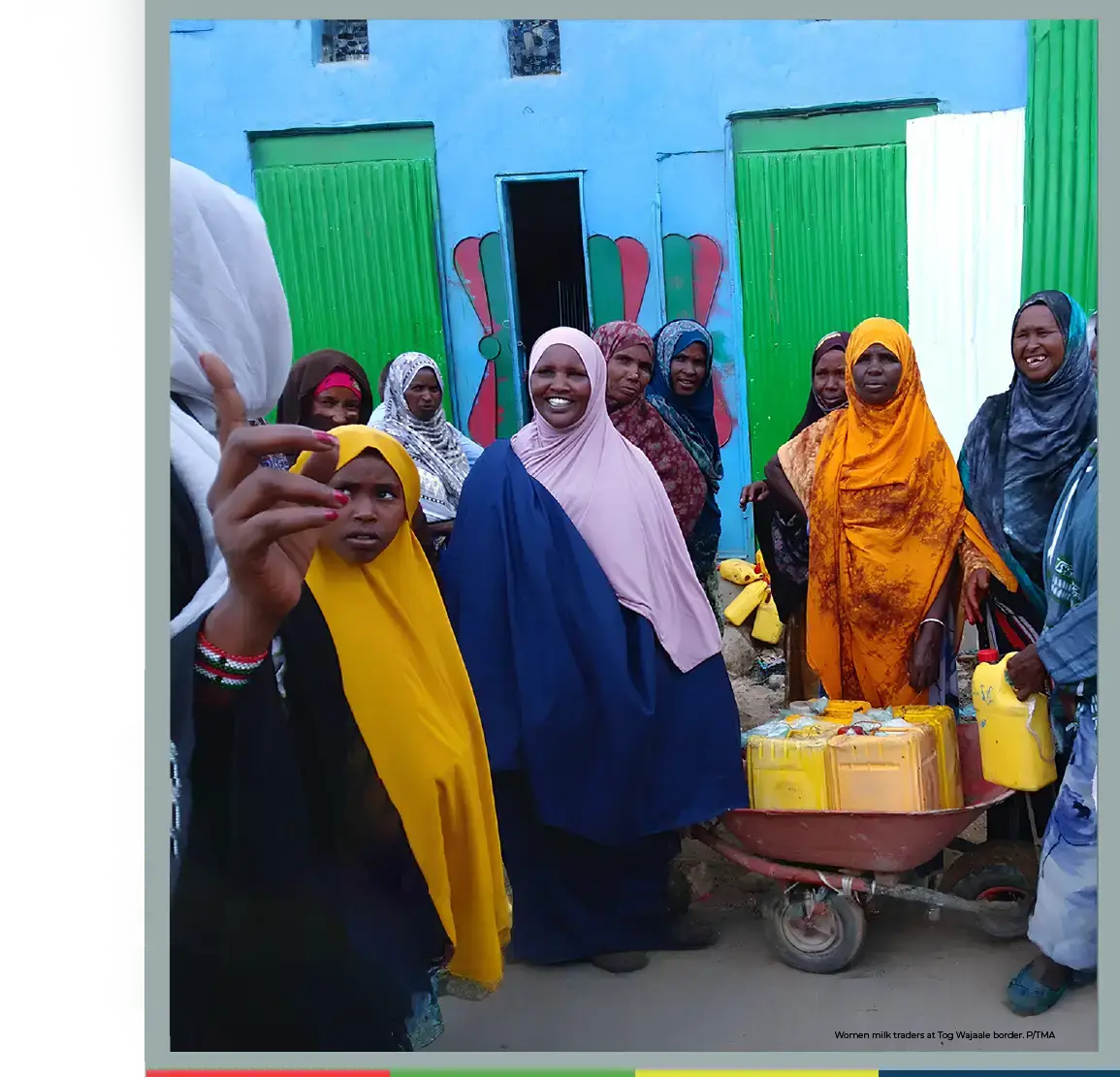
TMA’s programme was established in 2018 with founding support from the UK’s international development portfolio. Using a corridor approach of implementation, TMA began its work through the Berbera Corridor, focusing on infrastructure, trade quality systems and inclusive local growth. Between 2018 and 2023, the programme pursued three closely linked objectives. First, it invested in physical infrastructure to improve the flow of goods, including construction of the 22.5 km Hargeisa Bypass Road, completed in 2023, which contributed to a 38% reduction in transit times along the Berbera Corridor, according to the endline survey. Second, it strengthened the quality and value of traded goods through standards harmonisation, support to laboratory facilities at Berbera Port, and institutional capacity building for national quality control at the port. During the Covid-19 period, safe trade measures at Tog Wajaale helped ensure essential goods continued to move safely and efficiently across the border. Third, it supported more inclusive local growth, including improved market infrastructure for women traders, notably through the development of the solar-powered HACCP-ready Berbera Fish Market, completed in 2023/24 and the Tog Wajaale safe trading zone for women.
These investments continue to support more efficient trade, stronger trade systems and broader local economic participation, while aligning with government priorities on climate-resilient infrastructure and regional integration.

Trade Systems and Regulation
Working with customs, standards, and transit agencies to bring procedures into line with the World Trade Organisation, the World Customs Organisation, and Africa Continental Free Trade Area provisions. This includes strengthening rules of origin procedures, digitising declarations, and developing online trade data systems

Digital
Corridors
A Port Community System for Berbera, an electronic cargo tracking platform, and a national trade information portal will give operators end-to-end visibility and cut clearance times.

Seamless
borders
tariff barriers, will promote legal certainty along the entire corridor.

Sustainable
growth
TMA Strategy 3
2023 - 2030
TMA is mobilising resources to implement its third strategy, focused on improving logistics efficiency, strengthening regulatory transparency, enhancing the quality of traded goods, and advancing digital trade systems. Building on earlier investments, this next phase is intended not only to deepen gains accrued on the Berbera Corridor, but also to create conditions for expansion into other corridors across the country. The target is to reduce transaction costs for domestic and regional traders, support the efficient movement of humanitarian cargo, and strengthen Somalia’s wider trade connectivity.
Programming is structured around four mutually reinforcing portfolios.
Digital Trade Systems
Value and Quality of Traded Goods
Physical Infrastructure
Trade and Investment Environment
- First, TMA will work with customs, standards and transit agencies to align trade procedures with the rules and provisions of the World Trade Organisation, the World Customs Organisation, the African Continental Free Trade Area and the East African Community, in which Somalia is a member. This includes domestication of EAC frameworks, strengthening rules of origin application, digitising customs declarations and improving access to trade data.
- Second, digital systems will be developed to improve the flow of goods and information. These include development of a Port Community System, implementation of an electronic cargo tracking platform and a national trade information portal, all designed to improve visibility across the supply chain and reduce clearance times.
- Third, TMA will raise funding to facilitate the formalisation of cross-border trade with Somalia’s neighbours, harmonisation and standardisation of cross border agency protocols and removal of prioritised non-tariff barriers to improve predictability and legal certainty along select trade corridors.
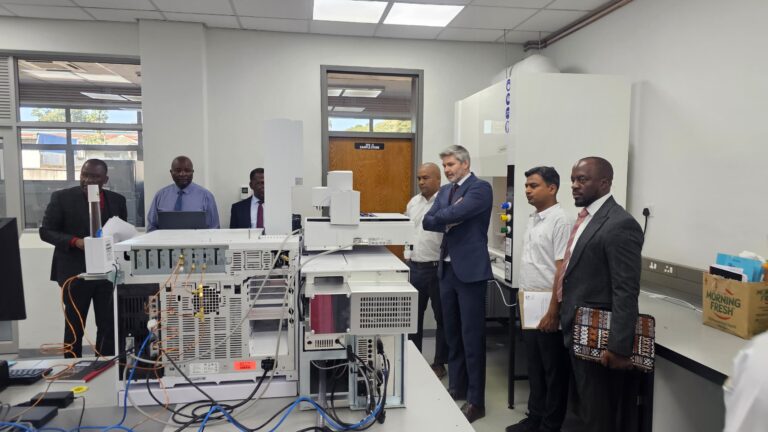
- With TMA facilitation, a modern laboratory was opened in Berbera in 2021 and issued 16 new standards for oilseeds, cereals, livestock and beverages, opening pathways for increased exports.
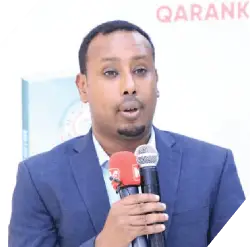
COUNTRY DIRECTOR, SOMALILAND
Christian Nibasumba is the Country Representative of TradeMark Africa in Burundi since 2019, where he oversees operations and works closely with government agencies, the donor community, private sector, and civil society organizations to steer TMA ambitions in Burundi.
With fourteen years’ work experience in various functions, primarily in economic development as well as program and grants management, Christian has in his previous career, served as Africa Regional Advisor on Economic Inclusion at Christian Aid, Grants Manager of the Public Diplomacy Section at the United States Embassy in Bujumbura, and Deputy Director of the Burundi Business Incubator.
He holds a Master’s degree MBA-Finance from United States International University-USIU-Nairobi and a Bachelor’s degree in business management & administration from Uganda Martyrs University. In 2018, Christian took part in the “Leading Economic Growth” program at Harvard Kennedy School, Boston-USA. Christian is a Certified “Business Edge” Trainer, a program by the IFC- World Bank and Alumnae of the French African Foundation. Christian additionally sits on KCB Burundi board as an independent/non-executive director, since 2021
- Christian.nibasumba@trademarkafrica.com
- +257 22 277 101