Zimbabwe and Mozambique step up efforts to clear hurdles to Beira corridor’s weakest link
September 18, 2026
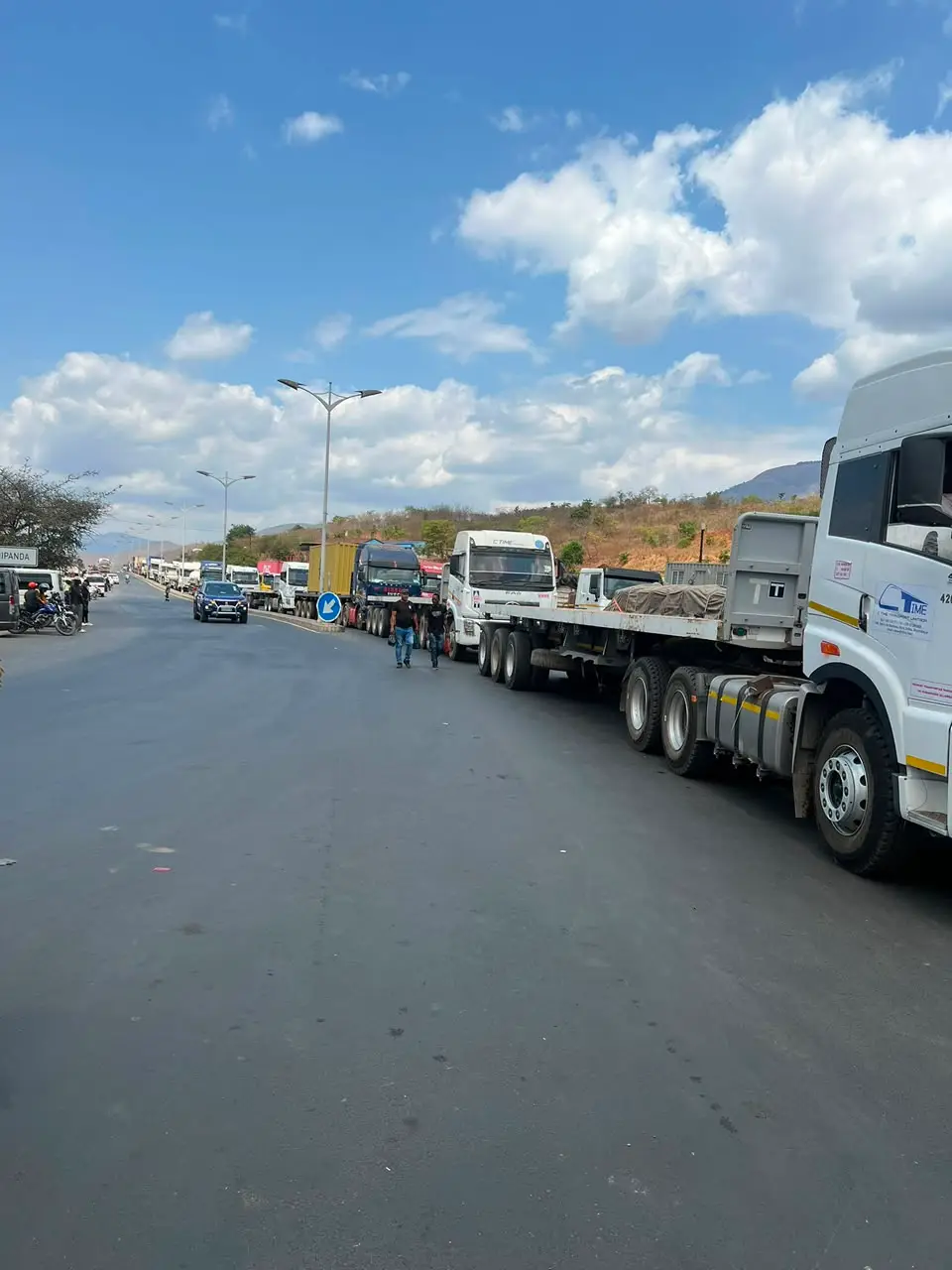
Zimbabwe and Mozambique have agreed on immediate measures to ease persistent congestion at the Forbes-Machipanda border, targeting one of the costliest bottlenecks on the Beira Corridor. At its inaugural meeting in Mutare on 9 September 2026, the Forbes-Machipanda Joint Border Committee (JBC) adopted a traffic-management framework based on first-in, first-out, a ban on parking in the no-man’s-land, and a joint Zimbabwe-Mozambique monitoring team. The two countries will also pursue a real-time traffic-flow platform and harmonised express lanes for priority, perishable and hazardous cargo.
The decisions are the first concrete step since both governments operationalised the committee through a joint communique signed in Beira on 8 July 2026, establishing a mechanism for customs, immigration and other agencies to coordinate procedures, inspections and infrastructure planning.
Opening the meeting, Veronica Musanhu, Manager of Forbes Border Post at the Zimbabwe Revenue Authority, said the committee has its work clearly cut out to facilitate movement of goods on the corridor. She described borders as gateways for both trade and security, requiring agencies on both sides to align their procedures and treat delays as a shared challenge.
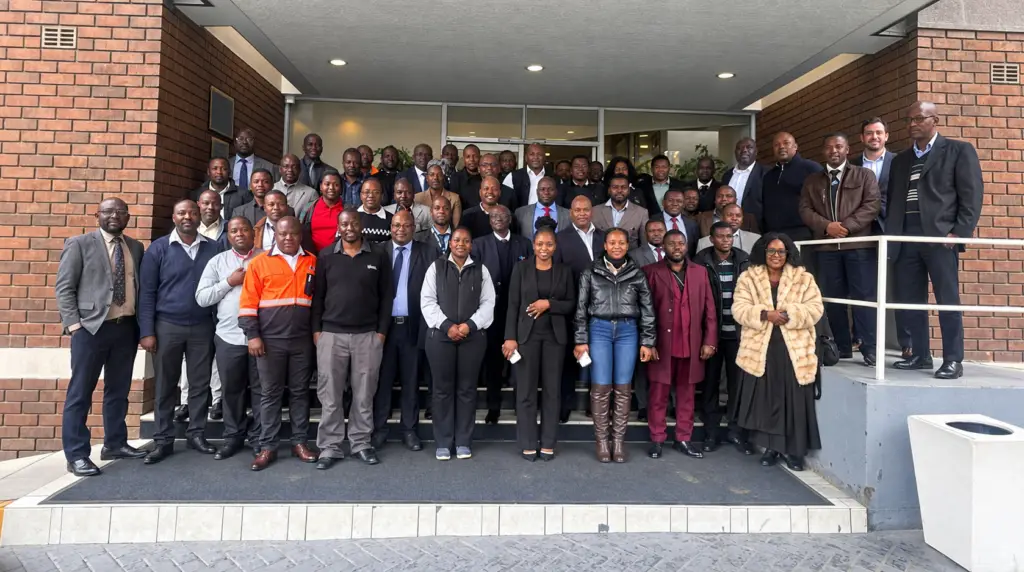
Members of the Forbes–Machipanda Joint Border Committee at their inaugural meeting in Mutare on 9 September 2026, where they adopted measures to improve traffic flow, prevent parking in the no-man’s-land and establish a joint Zimbabwe-Mozambique monitoring team.
Her Mozambican counterpart, Aguiar Guirrugo, Station Manager of the Autoridade Tributaria at Machipanda, said the corridor’s strategic importance called for a lasting inter-agency coordination; calling for the establishment of protocols that keep traffic moving while maintaining regulatory compliance.
Forbes-Machipanda lies about 290 kilometres from the Port of Beira, Mozambique’s main sea gateway to Zimbabwe and an important route for Zambia, Malawi and the Democratic Republic of Congo. About 55% of cargo handled at Beira is destined for, or originates from, Zimbabwe.
The cost of delay is substantial. A TradeMark Africa commissioned survey of more than 1,000 truck drivers in March 2026 identified Machipanda and the Port of Beira as the corridor’s worst delay points, each cited by 37% of respondents. Border waits can exceed 72 hours. A typical two-day delay was estimated to add about $2,180 to a journey whose base transport cost was estimated at roughly $1,750 for a 44-tonne truckload.
The committee assigned 12 actions to named institutions and established a joint secretariat, with members agreeing to be part of teams that will contribute to designs for planned infrastructure at both border posts so that traffic-flow requirements are incorporated before construction. Zimbabwe endorsed a Time Release Study to baseline clearance performance, with Mozambique to confirm after Maputo’s guidance. A joint monitoring framework and capacity-building programme are expected at the next meeting.
TMA facilitated the engagements, with the support of UK Foreign, Commonwealth & Development Office and working with both governments and the private sector on corridor reforms. TradeMark Africa’s Technical Advisor for Southern Africa, Mr Sydney Chibbabbuka, said congestion acts as a tax on businesses, farmers and consumers. He urged members to name owners for every priority, hold each other accountable and keep traders and transporters as the committee’s first customers; delivery, he argued, could turn Forbes-Machipanda from the corridor’s weakest link into one of its strongest.