
New platform targets bottlenecks at port and border as study shows delays and NTBs are driving costs across the corridor
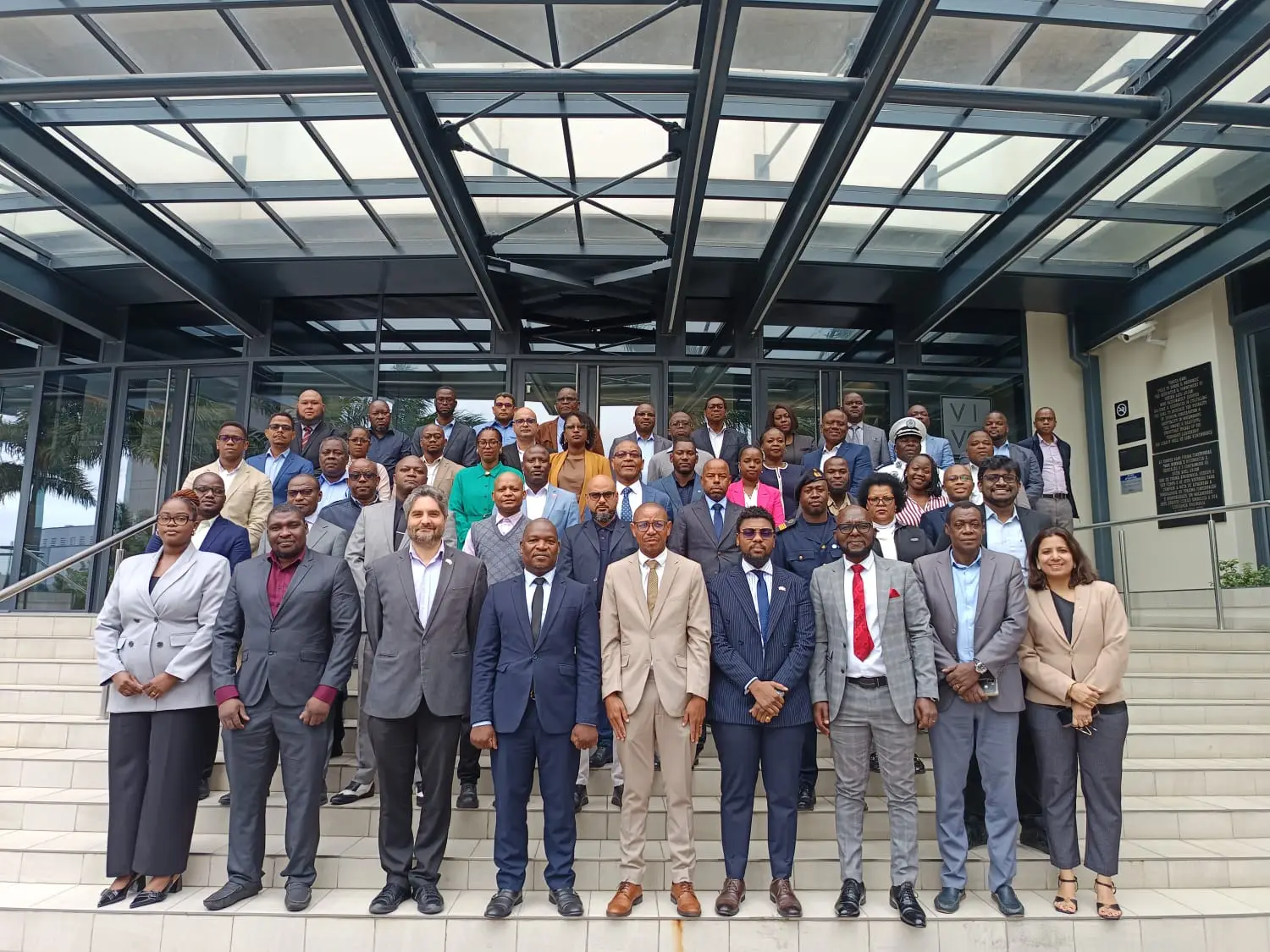
Maputo, Mozambique, 29 April 2026 – Mozambique is taking an important step towards improving efficiencies along the Beira Corridor, with government officials, development partners and private sector players validating a new Trade and Transport Observatory (TTO) framework to track, diagnose and reduce delays across one of Southern Africa’s most critical trade routes. Held yesterday on 29 April 2026 and convened by the Ministry of Transport and Logistics with support from TradeMark Africa and the UK Government, the validation workshop brought the proposed data-driven platform closer to implementation at a time when corridor performance is increasingly seen as central to regional trade and transport competitiveness.
The move comes as new diagnostic findings, presented at the validation workshop in Maputo, reveal that inefficiencies at key nodes are driving the high cost and unpredictability of trade along the corridor. A survey of over 1,000 truck drivers conducted in March 2026 found that while travel times along parts of the corridor can average six to seven hours, performance remains highly variable, with delays concentrated at the Port of Beira and the Machipanda border. These delays significantly inflate the cost of moving goods. Baseline transport costs range between $1,600 and $1,960 per trip, but can rise to $4,000 or over $6,000 in high-delay scenarios largely due to time lost at bottlenecks and non-tariff barriers.
Delivering remarks on behalf of the Permanent Secretary, Ministry of Transport and Logistics, Sinézio Nhancale, National Director of Planning and Investment at the Ministry, said the establishment of a Transport and Trade Observatory for the Beira Corridor will be underpinned by institutional, operational and technical reforms, adding that accompanying diagnostic studies will provide a clearer picture of the time and cost of moving goods along the corridor. They will also help identify infrastructure gaps, information constraints and persistent non-tariff barriers that drive up trade costs. “Your contributions are critical in helping us build a shared understanding of the bottlenecks that must be addressed with urgency, and the best practices we must adopt, particularly in advancing digitalisation and automation,” he said.
The Beira Corridor is an important trade route linking Mozambique’s coast to land linked economies including Zimbabwe, Zambia, Malawi and the Democratic Republic of Congo. The corridor facilitates the movement of fuel, agricultural commodities, minerals and containerised cargo, and plays a central role in regional supply chains. Yet despite its importance, the corridor continues to face congestion, fragmented systems, infrastructure constraints and high logistics costs, challenges which the new Observatory is designed to address. The TTO will function as a centralised, data-driven platform, integrating information from customs systems, port operations, rail networks, road transport, safety and logistics operations to provide real-time visibility on trade flows, costs and delays. These indicators collectively determine the speed and cost of trade along the corridor.
“The evidence is clear that delay constitutes one of the biggest cost components on this corridor. The Trade and Transport Observatory provides us with a practical tool to identify where those delays occur and to take corrective action based on data and not assumptions,” TMA Senior Director, Trade Environment, Mark Priestley, noted.
Miguel Laric, Trade and Inclusive Growth Team Leader, at the British High Commission in Mozambique, remarked: “Our shared ambition is simple: to make trade faster, more predictable,and more competitive. Trade facilitation initiatives and the reduction of non-tariff barriers have the potential to generate tangible gains for the private sector, for transporters, and ultimately for citizens. This is precisely where the Transport and Trade Observatory can add value by helping transform data into evidence, and evidence into decisions: to identify bottlenecks, monitor corridor performance, and support reforms based on data and facts.”
The TTO is expected to be rolled out in phases, starting with institutional setup and stakeholder onboarding, followed by platform development, pilot testing and full operationalisation. The framework also proposes a multi-stakeholder institutional model, bringing together public agencies, private sector operators and development partners under a shared governance structure.
This includes an Inter-Governmental Council for policy oversight, national coordination units, and a central secretariat responsible for data integration and analytics an arrangement that will ensure ownership, accountability and long-term sustainability.