
RIF 2026 honours TMA’s contribution to border and port reforms that have cut delays, reduced trading costs and improved market access
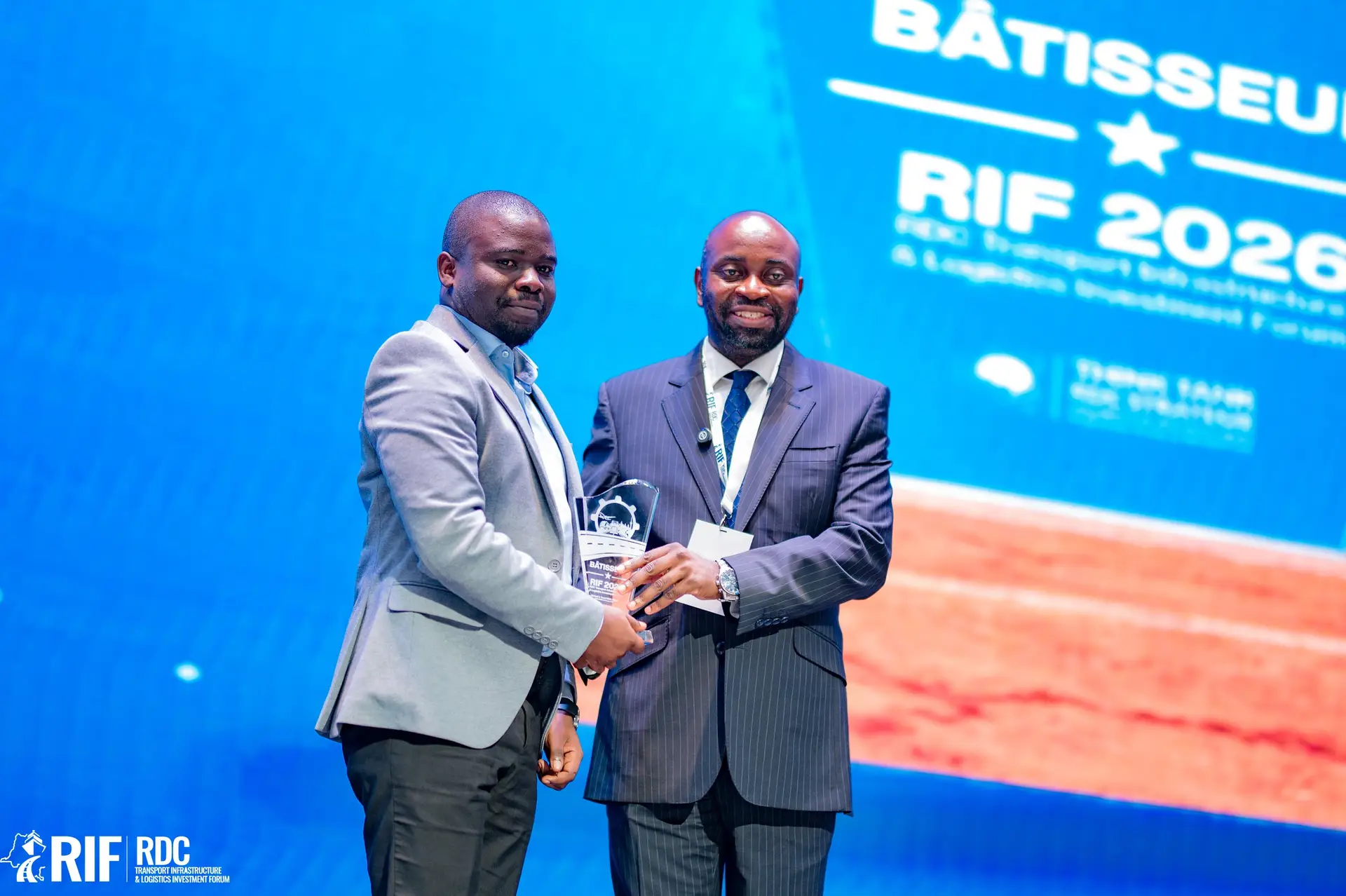
KINSHASA, Democratic Republic of the Congo, 28 October 2026: TradeMark Africa (TMA) has received the “Bâtisseur” (Builder) award at the RDC Transport Infrastructure and Logistics Investment Forum (RIF 2026) for its contribution to reducing trade barriers in the Democratic Republic of the Congo (DRC). The recognition acknowledges TMA’s partnership with the Government of the DRC, development partners, and the private sector to modernise trade infrastructure, improve border operations, and strengthen transport corridors that connect businesses to regional markets.
For traders and businesses, these reforms mean shorter border delays and more predictable movement of goods. At Goli-Mahagi, on the DRC-Uganda border, an independent evaluation of TMA’s Sustainable and Efficient Transport Infrastructure Portfolio, published in 2025, found that border-crossing time fell by 58%, while recorded bribes and facilitation fees declined by 96% following earlier interventions. The evaluation also found that trade value at Goli-Mahagi more than doubled, from $17.7m in 2019 to $40.9m in 2022.
The award was presented at the Forum’s closing ceremony in Kinshasa, recognising TMA’s work with government institutions and development partners to improve trade infrastructure and systems.
Speaking during the Ministerial Dialogue on Regional Corridors, Mark Priestley, TMA’s Senior Director for Trade and Investment Environment, representing TMA CEO David Beer, called for a network of complementary trade corridors supported by coordinated border procedures, digital systems and effective regulation.
“The DRC needs a network of complementary trade corridors rather than relying on a single route. Building roads, ports and border facilities is only part of the solution. Trade corridors also need efficient procedures, coordinated institutions and digital systems that work across borders. Our focus is on helping businesses move goods at lower cost, with fewer delays and greater certainty, while strengthening connections between transport corridors and productive sectors,” said Mr Priestley.
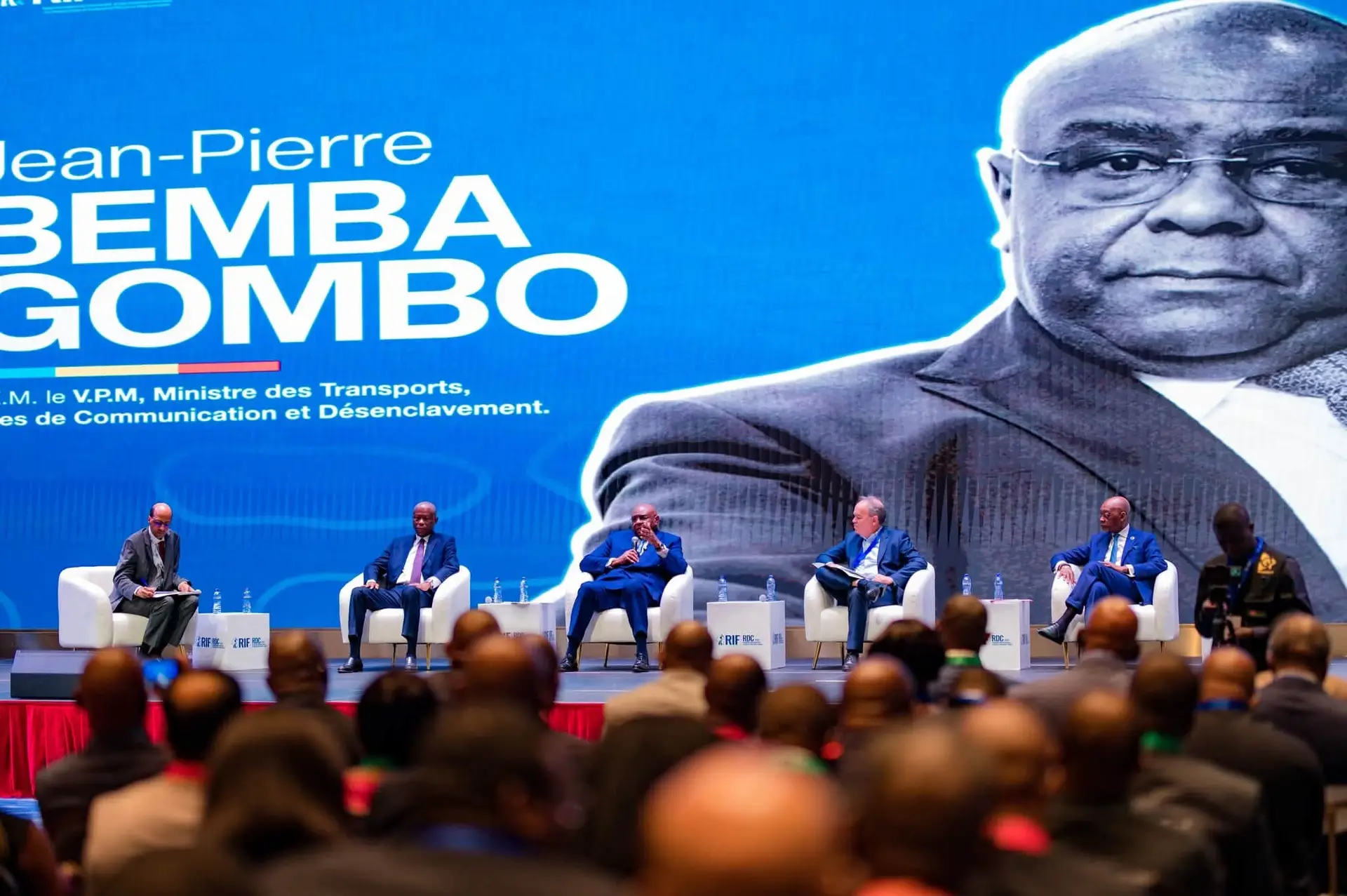
During the CEO Strategic Panel on customs, procedures and digitalisation, Baraka Mugisha Billy, TMA Country Director for the DRC, called for coordinated reforms to address bottlenecks across the supply chain, rather than focusing on infrastructure or procedures in isolation.
Commenting on the recognition, he added: “This award recognises what we are achieving together with the Government of the DRC and our partners. Progress at Goli-Mahagi shows how improved infrastructure and coordinated border procedures can reduce costs for traders. Our priority is to build on these gains by addressing bottlenecks across the supply chain, enabling more businesses, including small-scale and women traders, to move goods efficiently and access markets with fewer barriers.”
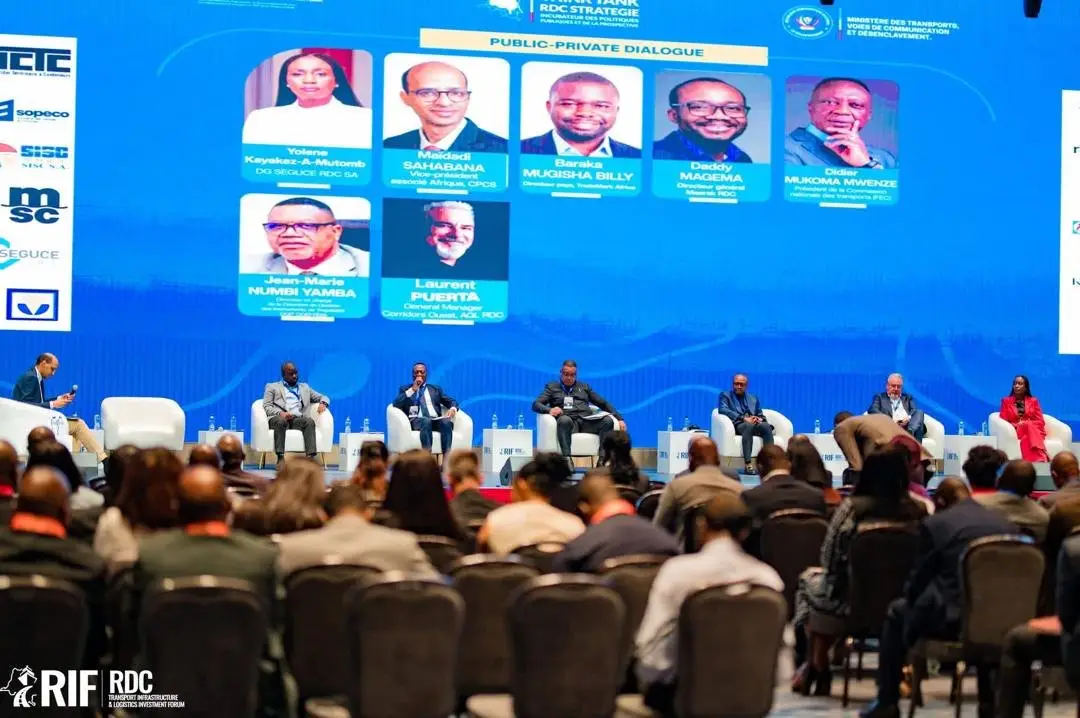
Billy also announced that a study is ongoing along the Kolwezi-Dilolo-Luau route to measure shipment times, costs and clearance bottlenecks. The proposed study would identify where targeted reforms could reduce logistics costs and improve the movement of goods along the Lobito corridor.
At Kalundu Port on Lake Tanganyika, a $3.4m upgrade funded by the Government of the Netherlands, implemented with the Government of the DRC and TMA between 2018 and 2024, expanded the port’s capacity. Dredging enabled Kalundu to accommodate vessels carrying up to 4,000 tonnes, compared with 800 tonnes previously. According to TMA’s 2025 infrastructure evaluation, the time required to unload 1,500 tonnes of cargo fell from 15 days in 2020 to seven days in 2021, improving cargo handling efficiency and enabling more predictable delivery schedules. The upgraded port was handed over to the Government of the DRC in March 2024.
Building on progress at Goli-Mahagi, TMA and its partners are supporting the full operationalisation of the One Stop Border Post (OSBP) and closer coordination between DRC and Ugandan border agencies to reduce delays and improve the movement of goods. The FY2026-27 Business Plan targets 15% reductions in average clearance time and cost per customs transaction, against February 2026 baselines of approximately 22 hours and more than $83. It also aims to track 5,000 cargo shipments through the expanded Electronic Cargo Tracking System to improve cargo visibility and monitoring.
Along the Lobito Corridor, TMA is supporting DRC-led reforms through a €6m programme financed by the European Union under Global Gateway. The programme focuses on the Kolwezi-Dilolo segment, simplifying customs and export procedures, strengthening mineral certification and traceability, improving digital systems and coordination between public agencies and private operators. Programme assessments identify document-clearance delays of up to 40 days along the corridor. These delays increase trading costs, tie up working capital and make it harder for businesses to plan shipments and meet delivery schedules. The reforms aim to reduce these barriers and improve trade predictability, complementing wider rail and logistics investments.
For the DRC, better-performing corridors offer opportunities beyond faster cargo movement. They can connect local producers and suppliers to markets, support value addition and improve conditions for investment and employment. From Goli-Mahagi and Kalundu Port to the Lobito Corridor, TMA continues to work with the Government of the DRC, development partners and the private sector to reduce trade barriers, improve corridor performance and strengthen connections to regional and international markets.