

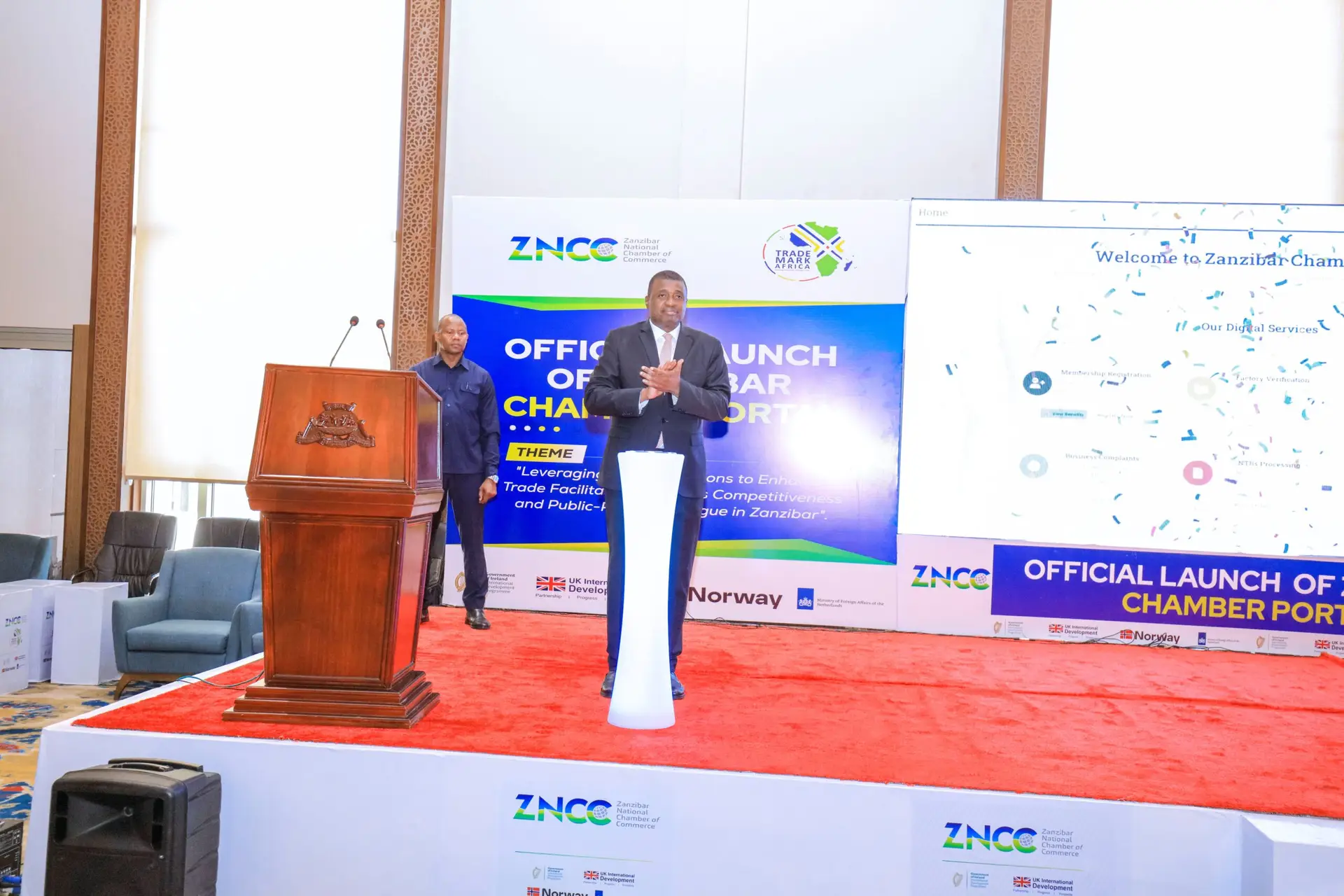
Zanzibar, Tanzania, 14 July 2026: Businesses in Zanzibar will now be able to apply for Certificates of Origin, renew Chamber membership, report non-tariff barriers, and track service requests online through a new digital platform launched by the Zanzibar National Chamber of Commerce (ZNCC), aimed at reducing administrative delays and improving access to trade and business support services.
The Zanzibar Chamber Portal (ZCP) brings together core Chamber services into a single digital gateway, allowing traders, exporters, small businesses and other users to access services remotely rather than through repeated physical visits to Chamber offices. The platform is intended to shorten processing times, improve transparency and make it easier for businesses to access services that support domestic, regional and international trade.
The portal has been developed under an initiative financed by the United Kingdom, Norway, Ireland and the Netherlands, with technical support from TradeMark Africa (TMA), to strengthen trade facilitation, improve service delivery and support a more responsive business environment in Zanzibar.
For many businesses, especially small and medium-sized enterprises, accessing Chamber services has involved travel, paperwork, repeated follow-up visits and limited visibility over the status of applications. By moving services such as Certificate of Origin applications, membership registration, complaint handling and payments online, the platform is intended to reduce paperwork, lower transaction costs and make business-facing services more accessible.
The Portal also includes a module for reporting and tracking non-tariff barriers (NTBs) and business complaints, giving traders a more structured way to raise issues affecting the movement of goods and the cost of doing business. For ZNCC, the system is expected to improve service administration, strengthen member records and generate data that can help inform engagement with the private sector and the resolution of trade-related constraints.
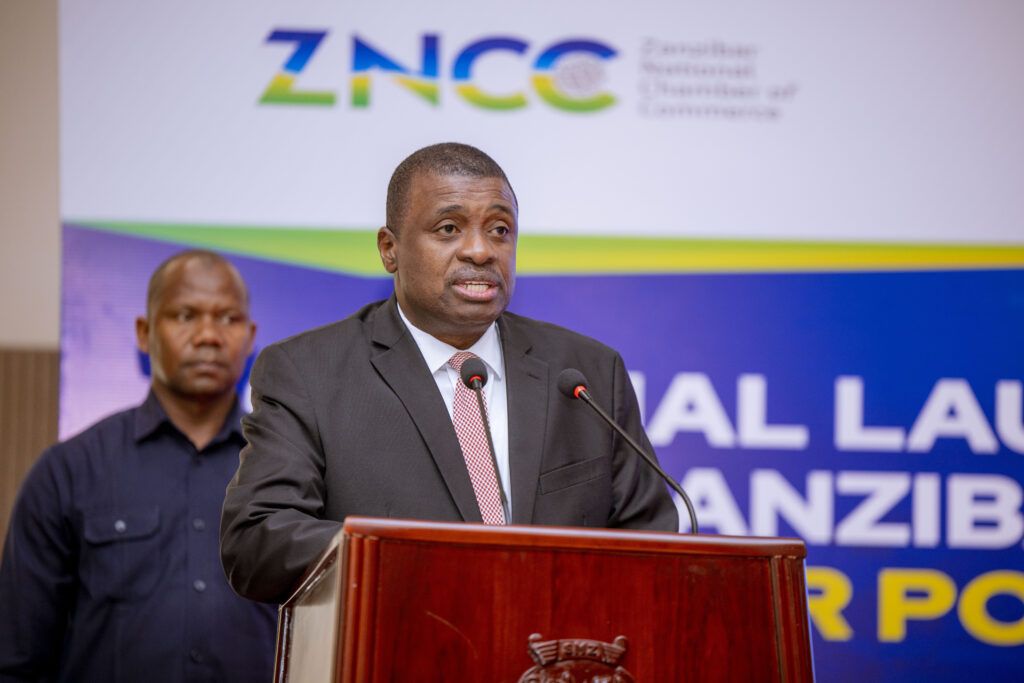
Speaking at the launch, Hon. Hemed Suleiman Abdalla, Second Vice President of Zanzibar, said the portal supports Zanzibar’s efforts to improve the business environment by making trade-related services more accessible and easier to navigate. “Businesses are more likely to trade, invest and grow when the systems around them are clear, accessible and efficient. The Zanzibar Chamber Portal introduces a more direct and transparent way for firms to access Chamber services, meet administrative requirements and raise trade-related challenges that affect their operations.”
Mr Hamad Hamad, Executive Director of the Zanzibar National Chamber of Commerce, said the platform responds to longstanding concerns from businesses about the time and effort required to access services and follow up on trade-related issues. “This portal creates a single digital entry point for Chamber services and reduces the burden associated with manual processes. It also gives businesses, particularly small and medium-sized enterprises, a clearer route for reporting challenges and following up on the services they need to operate and trade.”
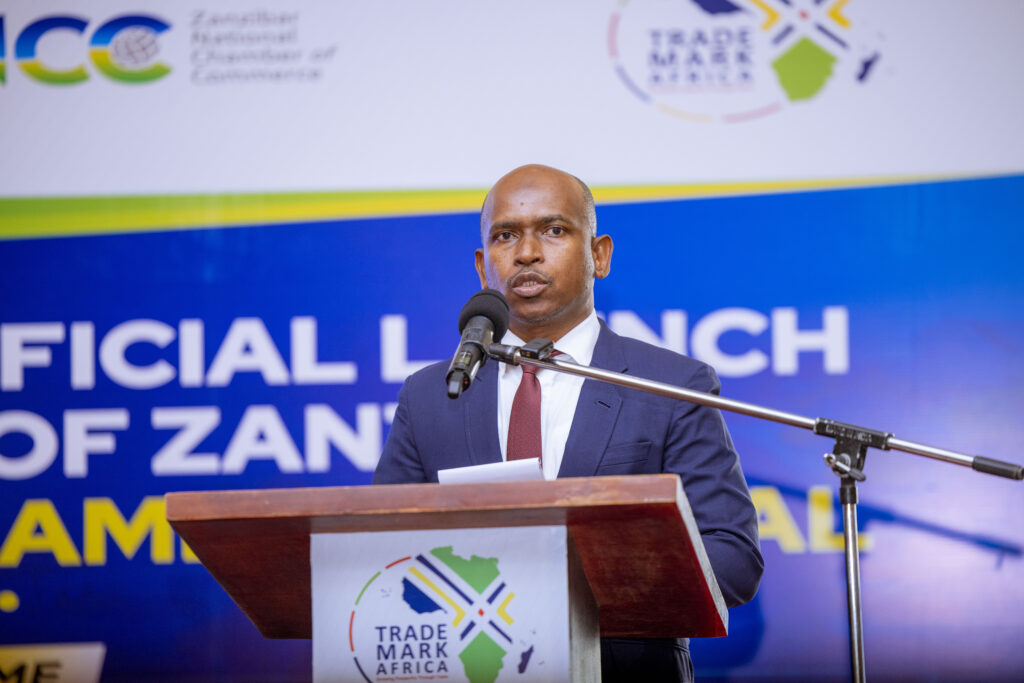
Speaking on behalf of TradeMark Africa, Mr Elibariki Shammy, TradeMark Africa Country Director Tanzania, said the portal reflects the role of trade facilitation beyond ports and border posts by addressing how businesses interact with the institutions and systems that support trade. “Trade facilitation also depends on how efficiently businesses can access the services, documentation and support systems linked to trade. By digitising these services and improving how trade-related constraints are reported and followed up, the Zanzibar Chamber Portal helps reduce friction in the wider trade environment.”

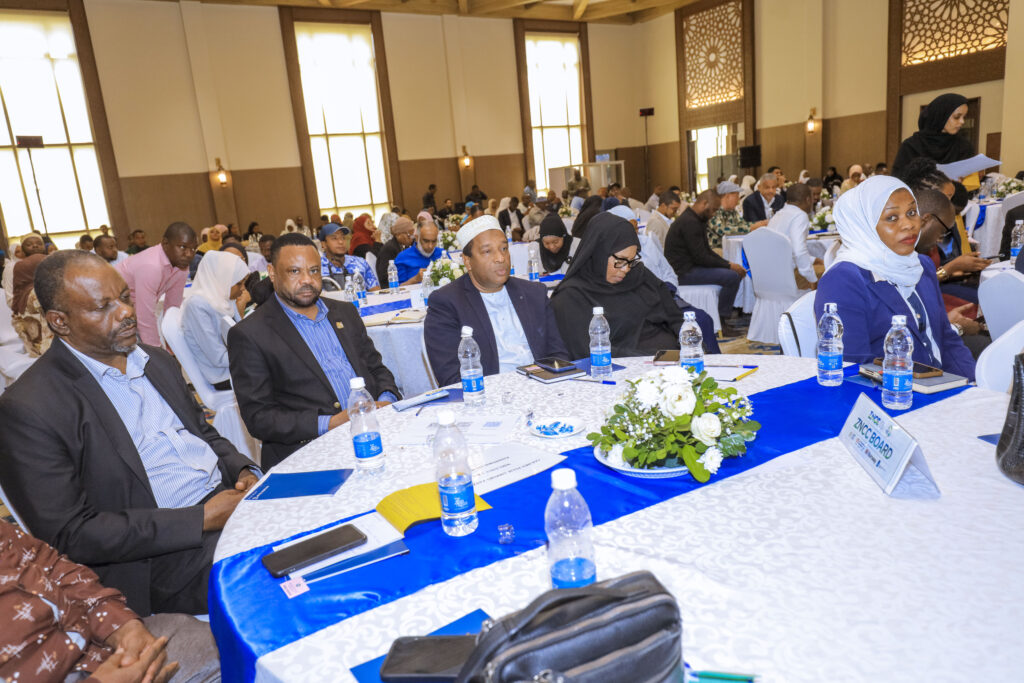
The launch of the Portal was accompanied by a Public-Private Dialogue under the theme, “Digitising Trade, Dismantling Barriers: Accelerating Zanzibar’s Integration with Mainland Tanzania and Global Markets.” The dialogue brought together government institutions, private-sector representatives, development partners and regulatory agencies to discuss non-tariff barriers, logistics and port efficiency, regulatory coordination and the role of digital systems in supporting trade facilitation.