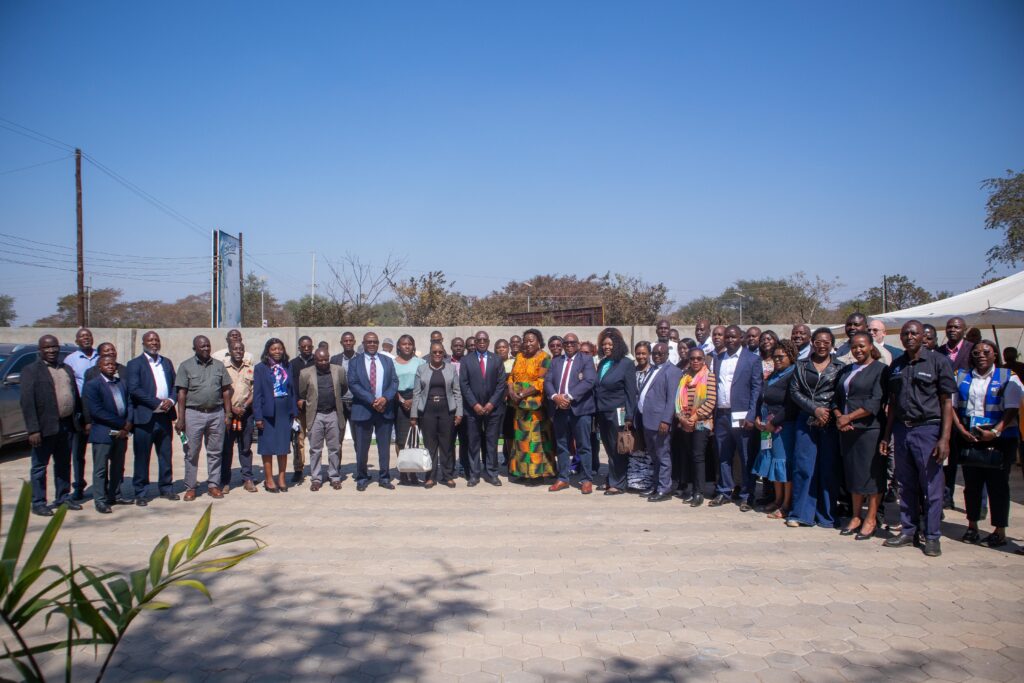

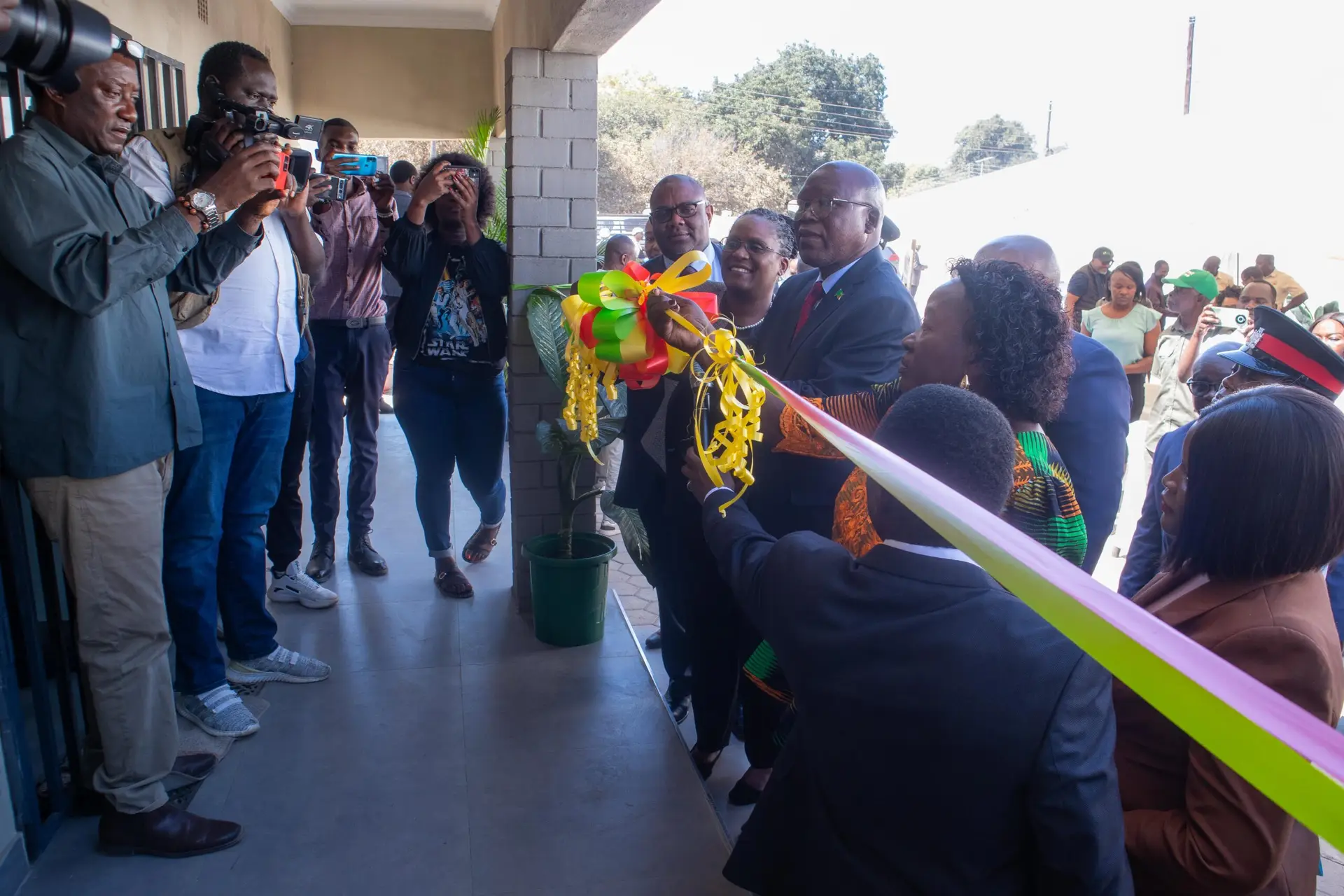
Livingstone, Zambia, 7 August 2026 – Zambia has strengthened its plant health system and capacity to access agricultural export markets following the handover of a rehabilitated and upgraded Plant Quarantine and Phytosanitary Service (PQPS) laboratory and office in Livingstone.
Located in Southern Province’s horticulture and citrus-producing belt, the facility brings essential phytosanitary diagnostic services closer to producers, exporters and key border crossings. It is expected to reduce the time and cost of testing plants and plant products by up to 50%, enabling farmers, nurseries and traders meet the sanitary and phytosanitary requirements of regional and international markets.
Rehabilitated and equipped through a partnership between the Government of Zambia and TradeMark Africa (TMA), with UK funding, the facility was officially handed over on 7 August 2026 by Mr Siazongo Siakalenge, Deputy Secretary to the Cabinet, Finance and Economic Development, and TMA Regional Director for Southern Africa, Hope Situmbeko. The project included the rehabilitation of the laboratory and office, installation of laboratory worktops, improvements to security systems and provision of essential diagnostic equipment.
“This laboratory is an investment in the competitiveness of our farmers and the integrity of our plant health system. As Zambia works to expand agricultural exports and deepen regional trade, facilities such as this help ensure that our plants and plant products are safe, compliant and able to move efficiently to market. We appreciate the UK Government and TradeMark Africa for their partnership in strengthening this critical national capacity,” Mr Siakalenge said.
Permanent Secretary, Technical Services, Ministry of Agriculture, John Mulongoti, echoed these sentiments, noting that strong plant-health systems are essential to Zambia’s food security, agricultural productivity and access to regional and international markets. “Plant health underpins both our food security and our competitiveness in trade. This upgraded laboratory not only brings reliable phytosanitary diagnostics closer to the producers, exporters and border points of Southern Province, but also strengthens our ability to respond to pest and disease risks, but also to protect Zambian agriculture while keeping our produce competitive in export markets.”
Livingstone is situated near major regional trade routes, including the Victoria Falls crossing into Zimbabwe and the Kazungula crossing into Botswana. The laboratory is strategically positioned to support plant health surveillance and inspection services at Harry Mwaanga Nkumbula International Airport and the Victoria Falls border, while serving producers and exporters across Southern Province’s maize, citrus and horticulture value chains.
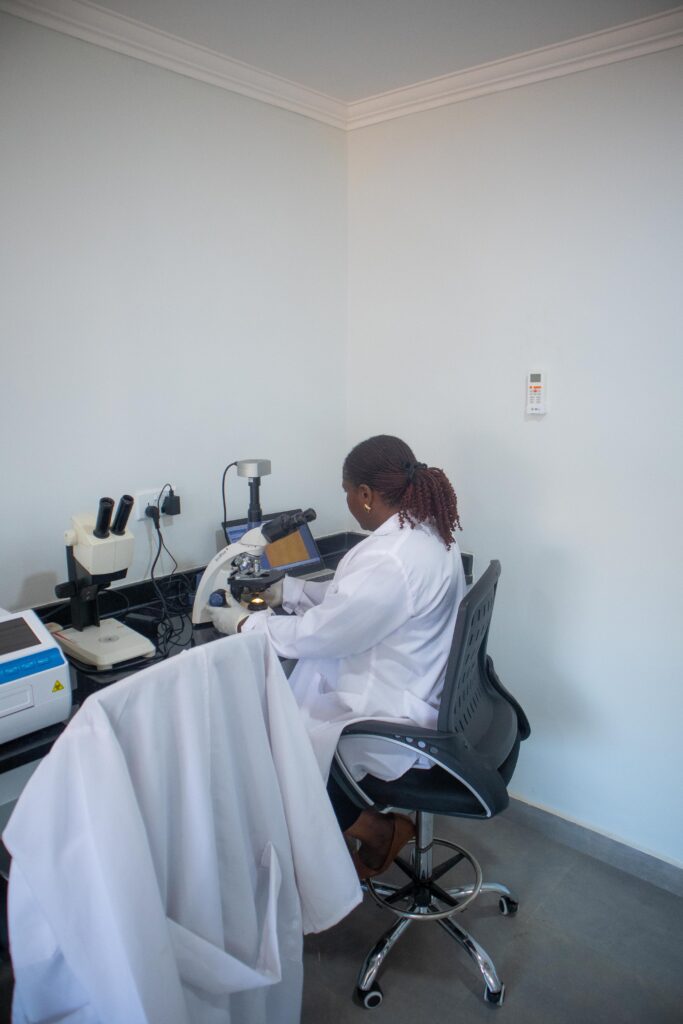
The facility will strengthen surveillance and diagnostic capacity for regulated and emerging plant health threats, including fruit flies, thrips, whiteflies, aphids, fall armyworm, seed- and grain-associated fungal pathogens, Drosophila suzukii, Pepper ringspot virus, Goss’s bacterial wilt and bud rot of palms. Earlier and more reliable identification of these threats will support timely containment and better-informed decisions on certification, release, treatment, rejection or further quarantine action. The facility will serve plant nurseries, seed and plant-product businesses, importers, exporters, clearing and forwarding agents, cross-border traders and regulatory agencies.
“For too long, producers and exporters in this region have had to send samples to distant laboratories and wait extended periods for results, adding time and cost to their operations. The Livingstone laboratory will enable us to conduct critical pest, disease and seed-health testing closer to where agricultural production and trade take place. This will strengthen crop protection and provide producers with a faster, more dependable route to meeting export-market requirements,” said Dr Kenneth Msiska, Director of PQPS.
TMA Regional Director for Southern Africa, Ms Situmbeko, said the facility represented an investment in the systems supporting safe and competitive agricultural trade.
“When reliable diagnostic services are more accessible to producers and border agencies, regulatory decisions can be made sooner, businesses face fewer avoidable delays and Zambia is better positioned to protect and expand its market access. We are proud to work with the Governments of Zambia and the United Kingdom to translate stronger plant health infrastructure into practical opportunities for farmers, exporters and traders,” she said.
The Livingstone facility complements wider efforts to strengthen Zambia’s plant health and trade infrastructure. TMA previously supported the rehabilitation and equipping of the PQPS plant health laboratory at the Nakonde One Stop Border Post, improving the screening of maize and other plant products and supporting national food security.