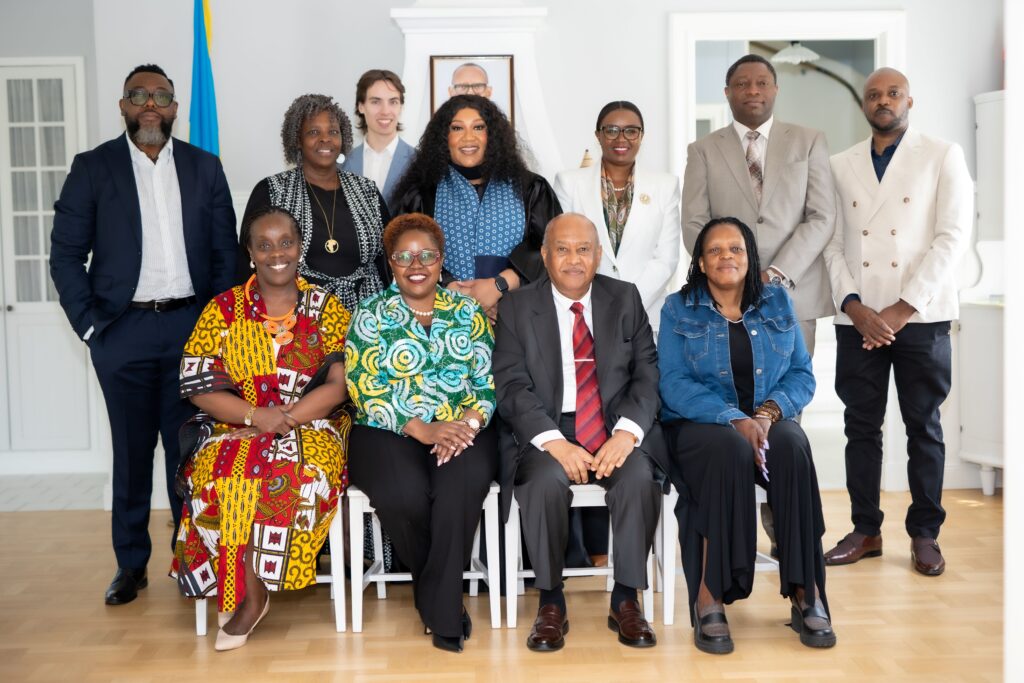

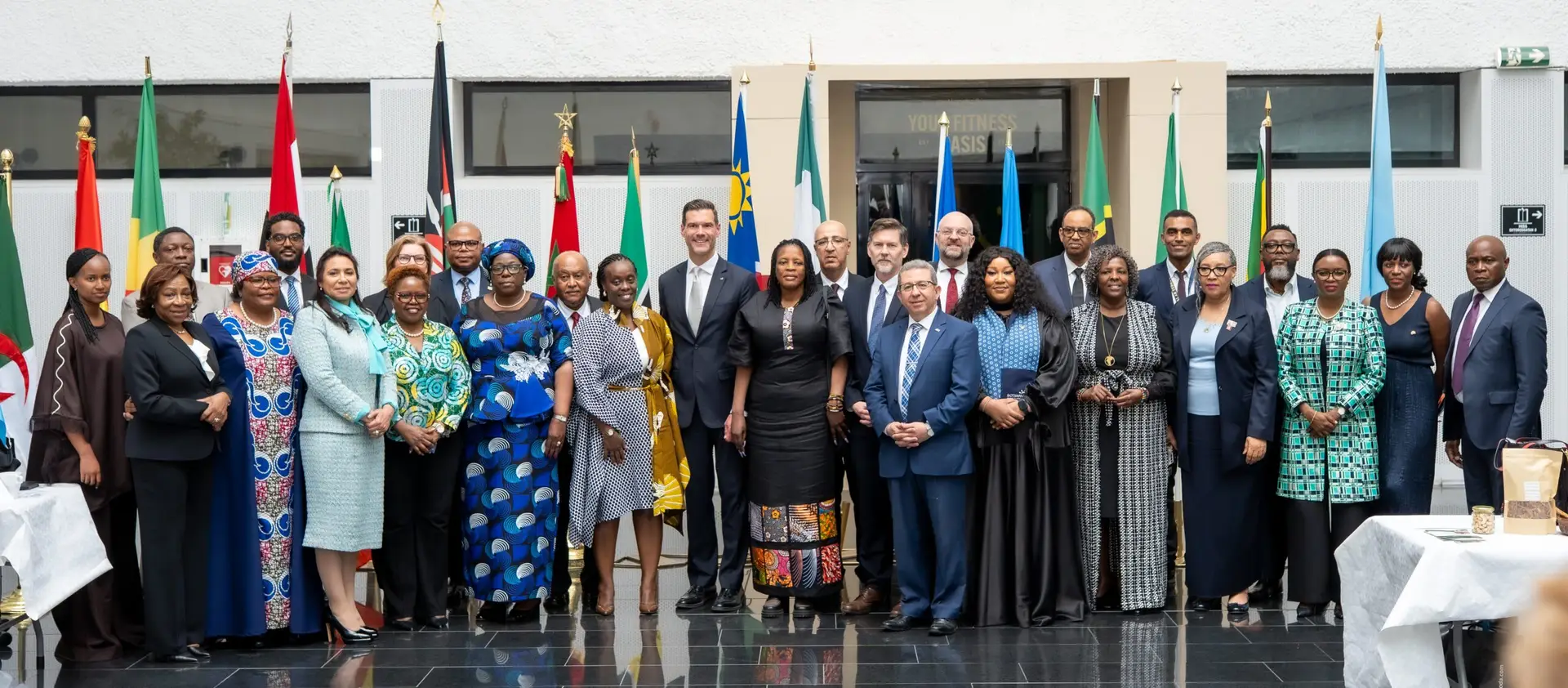
When 22 African ambassadors based in Stockholm, Sweden, met in late May 2026, the discussions extended beyond traditional development cooperation to focus on a shared priority about how Africa and the Nordic countries can deepen trade, unlock investment and strengthen economic partnerships to deliver mutual benefit.
Held as part of the Africa Day 2026 celebrations under the theme African-Nordic Synergies for Sustainable Growth on 28 May, the conversations brought together diplomats, policymakers, business leaders and development partners to explore opportunities arising from Africa’s growing integration into regional and global markets.
The forum was hosted by the African Ambassadors, Sweden Ministry of Foreign Affairs Africa Trade Department and Business Sweden. It was coordinated under the leadership of Diane Gashumba, Rwanda’s Ambassador to the Nordic countries and Dean of the African Diplomatic Corps in Sweden. The dialogue underscored growing recognition that stronger commercial ties between Africa and the Nordics are now more important than ever to future economic growth
Reflecting on the Stockholm dialogue, Ambassador Gashumba emphasised the importance of leveraging the AfCFTA to strengthen economic ties between Africa and the Nordics while addressing obstacles that limit the movement of goods, services and investment. She also reiterated the need to reduce barriers that constrain trade.
In a keynote speech, Deputy Chief Executive Officer of TradeMark Africa (TMA), Allen Asiimwe argued that Africa’s competitiveness depends not only on what the continent produces, but also on how efficiently goods, services and people move across borders. Drawing on TMA’s experience across its more than 20 countries of operation in Africa, Asiimwe emphasised the importance of removing non-tariff barriers, improving customs interoperability, strengthening standards and sanitary and phytosanitary systems, and addressing visa constraints that impede trade and investment. She said these reforms are necessary to unlock the full potential of the AfCFTA and expand Africa’s trade links with international markets, including the Nordic region.
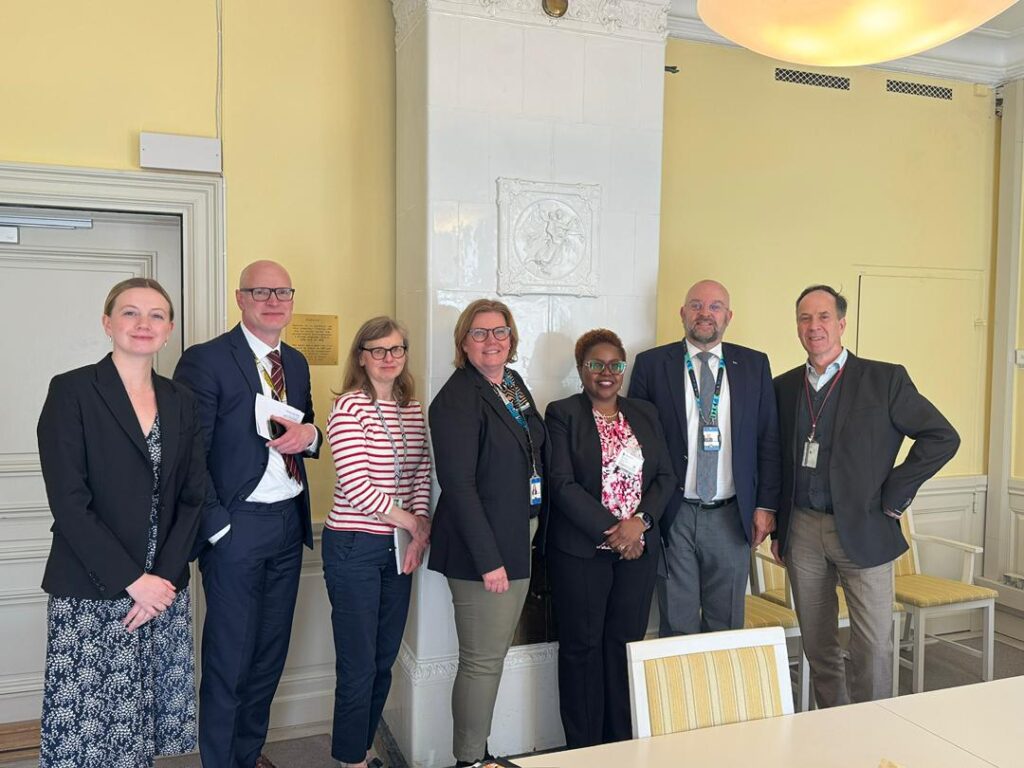
These conversations started earlier in the week in Norway, where Asiimwe held meetings with officials from the Ministry of Foreign Affairs, Norwegian Agency for Development Cooperation (Norad), the Confederation of Norwegian Enterprise (NHO) and Norwegian-African Business Association (NABA), which support private sector development and trade. The discussions reflected a growing emphasis on demonstrating tangible economic outcomes from partnerships, including job creation, business growth and increased investments. A recurring message across both countries was that sustainable growth depends on productive businesses, efficient trade systems, stronger and predictable regional markets.
Particular attention was given to sectors where Africa and the Nordic countries have complementary strengths, including renewable energy, agro-processing, transition minerals, manufacturing, logistics, technology and digital services. Norwegian stakeholders highlighted their interest in exploring opportunities that support Africa’s economic transformation, including those linked to regional value chains, green growth and digital trade.
The discussions also spotlighted the growing importance of services trade. Beyond physical goods, sectors such as digital technology, education and professional services are creating new frontiers for collaboration. This was closely linked to conversations on labour mobility, with participants exploring how structured pathways for skills and talent can help address labour shortages in Europe while creating opportunities for Africa’s young and growing workforce.
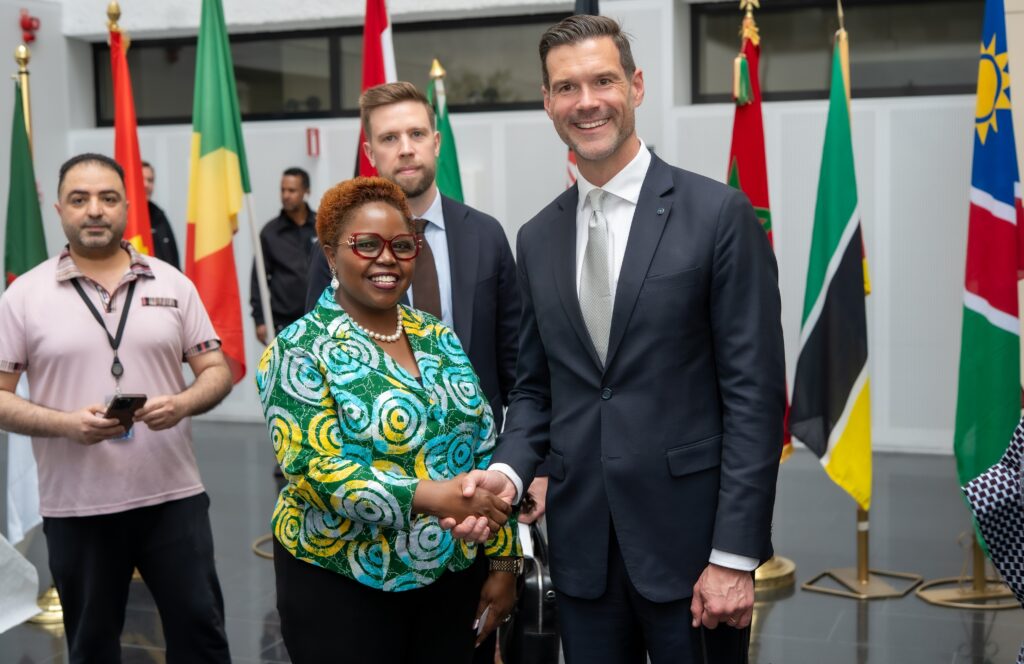
Addressing the forum in Stockholm, Sweden’s Minister for Migration, Johan Forssell, reaffirmed Sweden’s commitment to strengthening trade and partnership with Africa, signalling the country’s growing interest in deeper commercial engagement with the continent.