UK-Japan-Africa partnerships must turn corridors into engines of trade, jobs and skills, panellists say
July 24, 2026
Infrastructure investment across Africa must go beyond building roads, ports and border facilities to create the conditions for industrialisation, regional value chains, skills development and quality jobs, panellists said during a fireside chat on UK-Japan-Africa partnerships for investment, skills and sustainable growth.
The session, convened by the Labour Africa Network and co-hosted with the Embassy of Japan in the UK, examined how the West Africa Coastal Growth Corridor, running from Dakar through Conakry, Abidjan and Accra to Lagos, can become more than a transport route by unlocking production, trade and livelihoods across countries. Speakers from the Embassy of Japan in the UK, UK Export Finance and TradeMark Africa (TMA) reflected on how strategic partnerships can translate bankable infrastructure projects into long-term economic transformation.
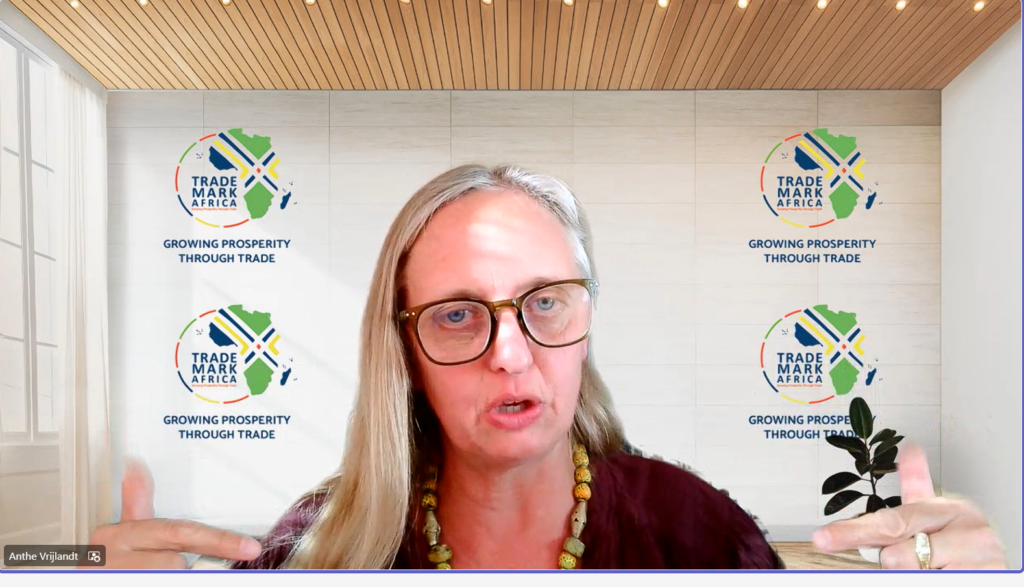
Anthe Vrijlandt, TMA’s Senior Director for AfCFTA and West Africa, said the corridor’s success will depend not only on the quality of infrastructure, but also on whether goods can move efficiently across borders.
She noted that while major infrastructure investments are essential, traders continue to face practical barriers such as duplicated scanner checks, limited customs data exchange, cumbersome certification requirements and non-tariff barriers that raise costs and delay trade.
“You can have the most beautiful infrastructure, but if the barriers at the borders remain, it will still be incredibly difficult to trade,” she said.
Vrijlandt argued that the real test of the corridor will be whether it enables goods to move from ports to hinterlands, production centres and markets. She cited the need for customs integration, single windows, joint border management, reduced NTBs and simpler certification systems to make trade practical for businesses. She also placed the corridor within the wider regional and continental trade agenda. ECOWAS, she noted, already provides a framework for West African integration. However, the African Continental Free Trade Area will be tested by whether it can make trade work beyond regional blocs, including between West Africa and other parts of the continent.
For traders, it is about whether a business in Côte d’Ivoire can trade more easily with Ghana, whether pineapples from Benin can reach Nigeria without unnecessary border hurdles, and whether goods from Kenya can enter Ghana under clear AfCFTA rules.
Yuki Tanaka, First Secretary in the Economic Section at the Embassy of Japan in the UK, said Japan’s approach is rooted in quality infrastructure, long-term partnerships and workforce development. He said quality infrastructure must be resilient, inclusive and sustainable, with careful attention to transparency, lifecycle costs, maintenance and operations. He added that engineering excellence must be matched by skills transfer, training and local capacity, particularly in maintenance, operations, road development, port management and trade facilitation.
Steve Gray, OBE, Head of West Africa at UK Export Finance, said export finance can unlock investment by reducing credit risk and enabling banks to finance projects backed by UK Government guarantees. He said infrastructure such as the West Africa Coastal Growth Corridor can improve access to economic opportunities, natural resources and productive sectors that have previously been constrained by weak connectivity. However, he cautioned that investment risk in Africa is often perceived to be higher than the reality.
The panellists also reflected on how the UK, Japan and African countries could work together more deliberately. Vrijlandt said her 10-year vision is a corridor where UK and Japanese infrastructure investment is matched by TMA’s work on trade facilitation, resulting in “no-stop borders” and easier movement for traders. Tanaka said Japan’s embassy in the UK is keen to connect Japanese companies with UK institutions, African partners and corridor opportunities.
The session closed with a reminder that partnerships will ultimately be judged by their impact on people. And, for the corridor to succeed, panellists said, it must create jobs, support young people, improve livelihoods, reduce trade costs and make it easier for businesses to move goods across Africa.