

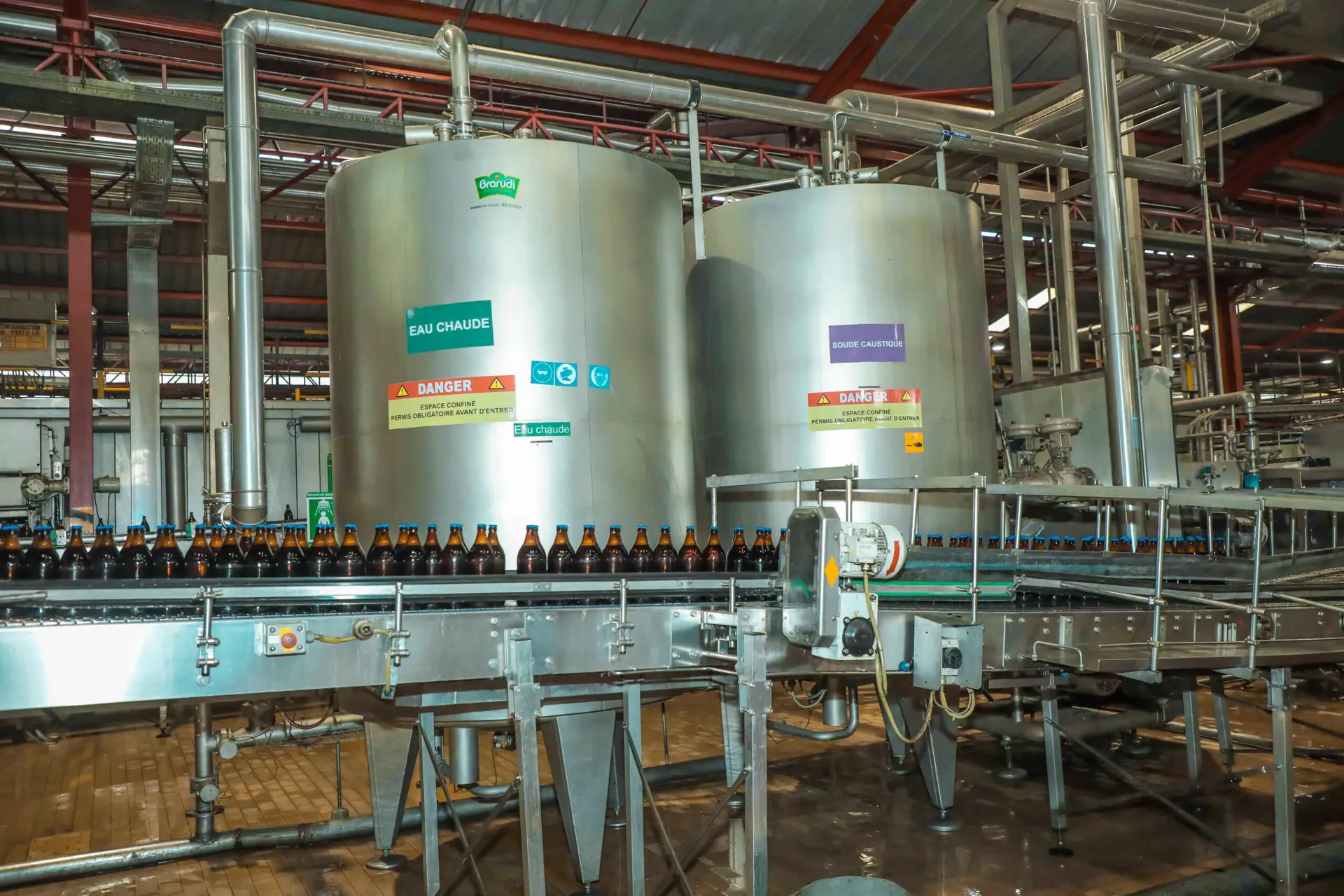
Local sourcing shortens Burundi brewery’s production loop
For decades, trucks, ships and warehouses formed the invisible supply chain behind Burundi’s most prolific brewery – Brarudi, a subsidiary of Heineken. White sorghum, barley and other agricultural inputs journeyed thousands of kilometres from Europe before reaching production lines to churn out flagship beers and beverages.
This sourcing approach worked – until it didn’t.
When the COVID-19 pandemic disrupted global logistics and geopolitical tensions rattled international trade routes, the vulnerabilities of a four-month supply chain became impossible to ignore for Brarudi. Delays multiplied, costs rose, and uncertainty threatened to become a part of doing business.
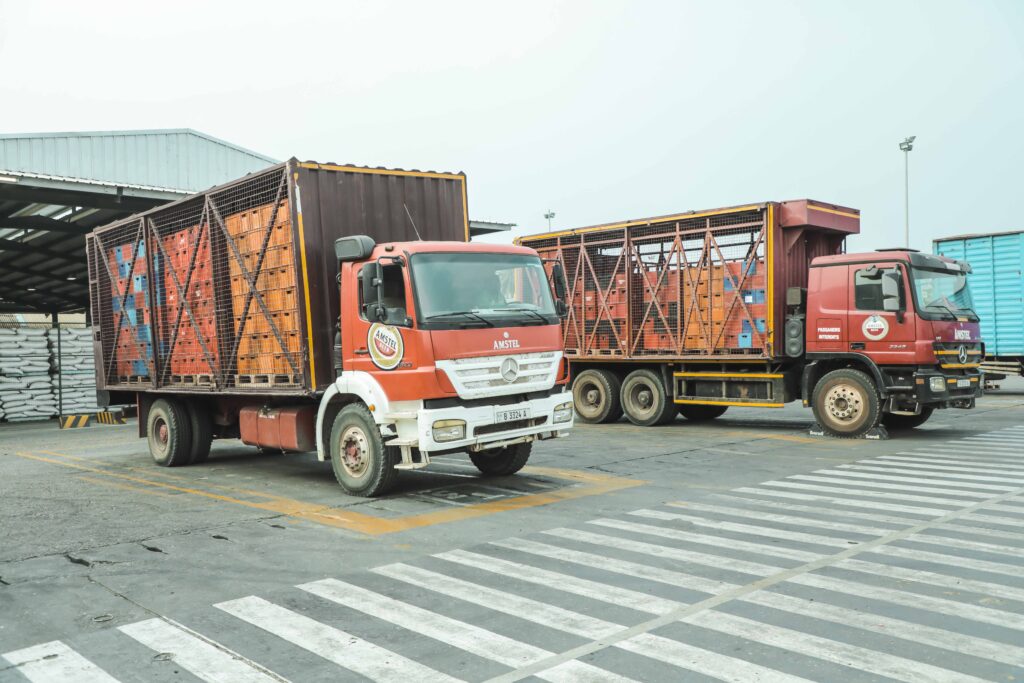
Yet, scattered across Burundi’s rolling hillsides, was an alternative waiting to be organised.
Today, smallholder farmers are supplying cereals directly into one of Burundi’s largest industrial value chains. Through a partnership between Auxfin Burundi facilitated by TradeMark Africa with funding from Netherlands, Brarudi and farmer cooperatives, local producers are delivering white sorghum, maize and barley to collection centres where quality is rigorously checked before moving onward to the brewery.
The numbers tell part of the story. In 2025 alone, BRARUDI purchased more than 101,000 kilograms of white sorghum worth over 213 million BIF and more than 65,000 kilograms of barley worth over 235 million BIF from local producers.
But the real transformation begins long before the grain reaches the brewery.
Quality was never compromised with the transition. Brarudi applies the same rigorous, multistage quality controls to locally sourced cereals as to imported ones. At collection points, trained managers inspect moisture levels and test for aflatoxin contamination. Farmers who once struggled to access reliable markets now participate in a supply chain governed by the same quality standards applied to imported commodities. Every accepted harvest represents income retained by rural households and value retained within Burundi’s economy.
“No decision is taken that could negatively affect the quality of Brarudi’s products for consumers. This programme created direct employment within Brarudi and supported the deployment of agronomists and field staff through partner organisations.” Sacha Rwamigabo, Head of the Local Sourcing Program, Brarudi Brewer, Burundi

For Brarudi, the shift is not merely about sourcing locally. Every tonne purchased from Burundian farmers replaces an imported tonne. Foreign exchange that once left the country remains in circulation domestically. Local agricultural production becomes part of an industrial ecosystem rather than operating on its margins.
Behind this transformation stands Auxfin Burundi which acts as the bridge between thousands of smallholder farmers and a corporate buyer with exacting standards. Farmers receive training in sorting, threshing, drying and storage, helping them increase the share of their harvest that meets commercial requirements and can be sold rather than rejected.
The result is a supply chain that works for both sides. Farmers gain access to a stable, high-volume market. Brarudi brewery on the other hand gains a more resilient source of raw materials. Jobs are created along the value chain, from field agronomists to collection centre staff.
Brarudi brewery’s ambition is significant: sourcing between 20,000 and 30,000 tonnes annually from local producers in the years ahead, making this more that a simple story of a beer on the table.
Auxfin and its network of farmers have proven that Burundi’s fields can become part of its industrial future. That Africa can replace dependence with resilience, imports with opportunity, and distant supply chains with local prosperity. That when trade systems connect farmers to markets, economies grow from the ground beneath our feet.