
Reliable, Structured Regional Grain Trade Stabilises Quality and Value Addition at Kenya’s Flour Mill
Every time maize supplies run short, production slows at Unibrain Industries Limited in Kenya. Orders to supermarkets and school feeding programmes are delayed. Production lines fall silent. Casual workers are told not to report to work. For a company whose products depend almost entirely on maize, a reliable supply of quality grain is the difference between growth and costly disruption.
Founded by Oscar Makhoha, Unibrain Industries has grown into a leading Kenyan food processor producing Corn Soya Blend Porridge, Super Porridge Flour, Malkia Sifted Maize Flour and Mother Mary Maize Flour. Its flagship Corn Soya Blend reaches supermarkets, wholesalers, retailers, county government school feeding programmes, children’s homes and households across Kenya, providing nutritious food for thousands of consumers.
Meeting that demand has not always been easy.
The company has long struggled with inconsistent maize supplies, frequent aflatoxin contamination and volatile grain prices that make production planning difficult and increase the cost of finished products. Higher retail prices slow sales, while shortages force production schedules to stop altogether. Deliveries are delayed, machinery sits idle and workers lose valuable income until operations resume.
The turning point came through the Eastern Africa Grain Council, under the TradeMark Africa-supported Strengthening Regional Grain Trade Between Kenya and Tanzania project, facilitated by TradeMark Africa with funding from the Netherlands, which connected the company to structured regional grain markets.
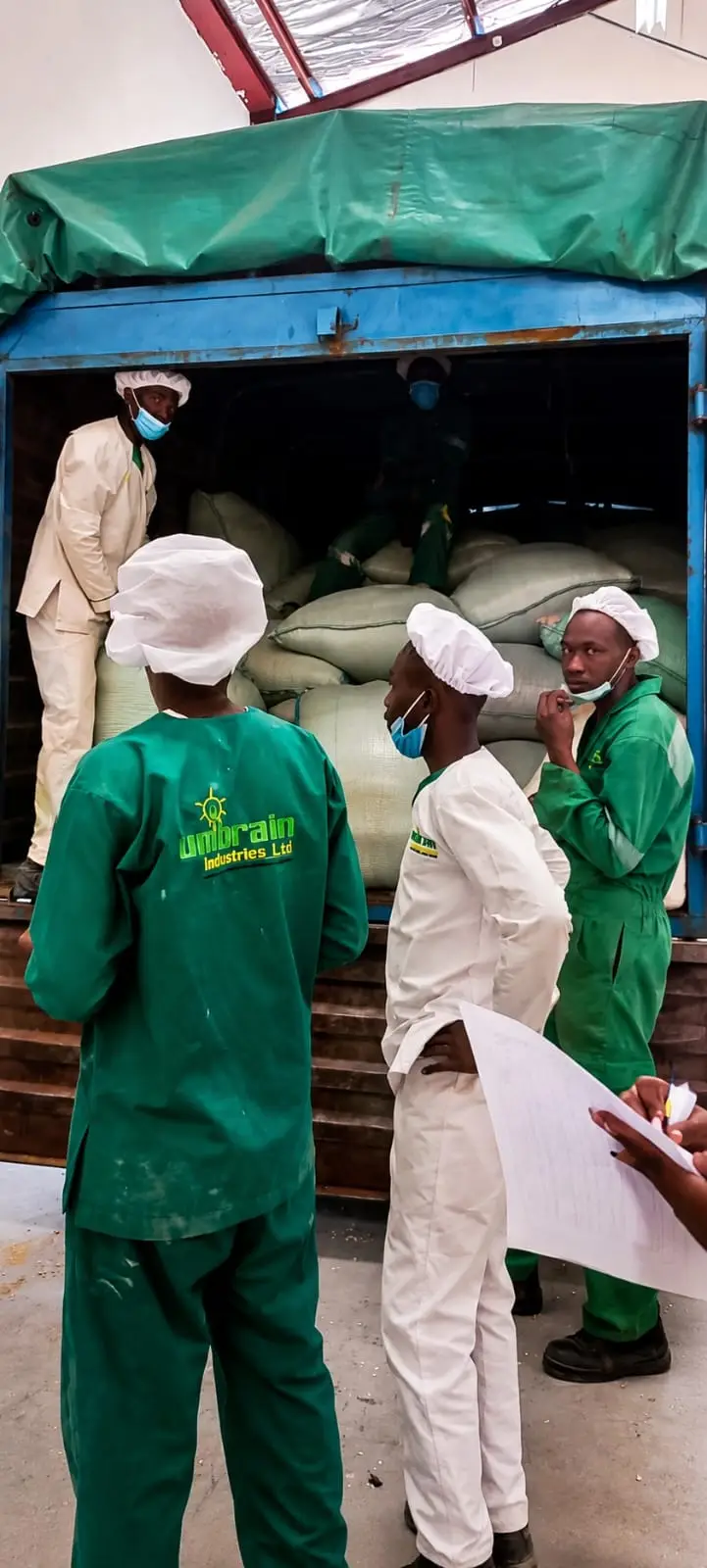
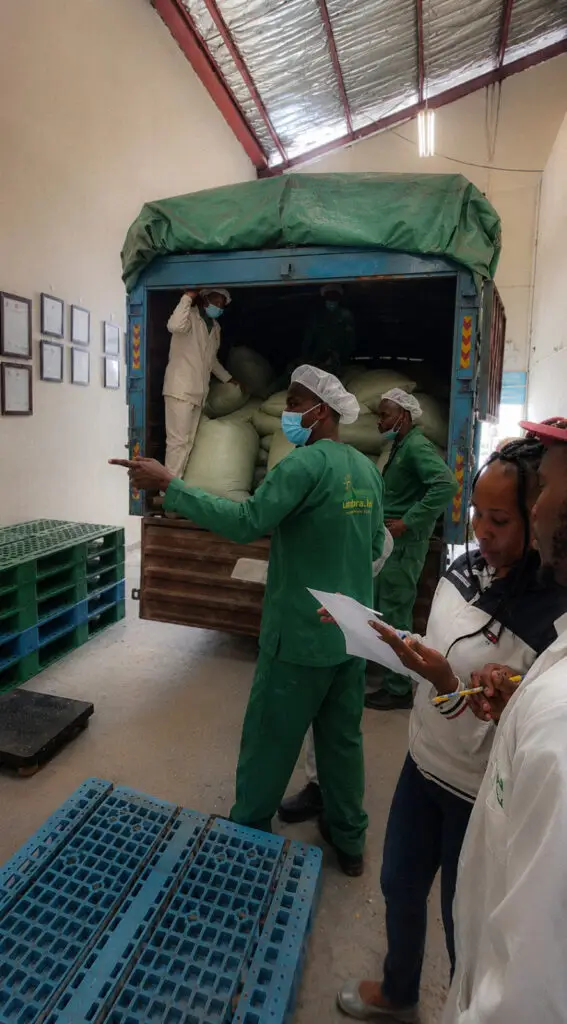
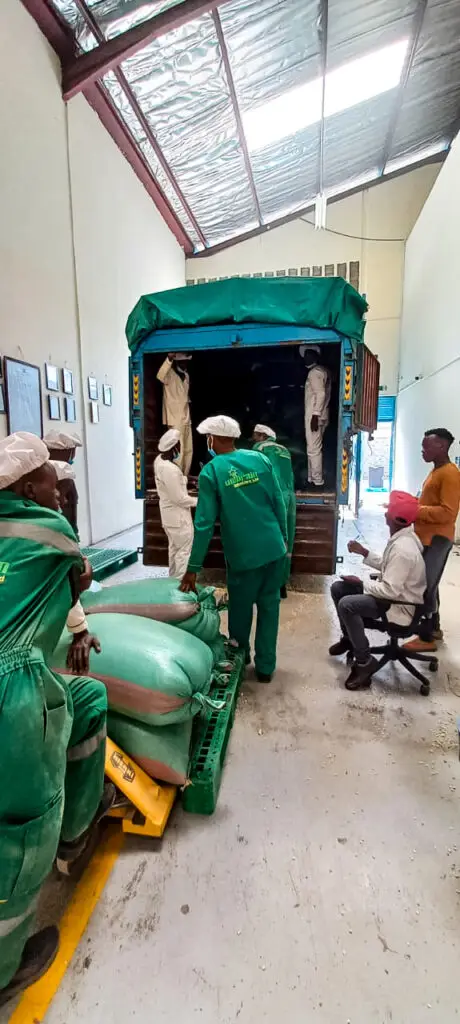
Through the initiative, Unibrain sourced three consignments totalling 94 metric tonnes of maize from Tanzania, bridging critical supply gaps when local grain became scarce.
The impact reached far beyond the warehouse.
Reliable access to quality maize enabled the company to maintain production, meet customer delivery schedules and improve operational efficiency during periods when shortages could have brought the factory to a standstill.
“Reliable access to maize means we can focus on producing nutritious food instead of worrying about where the next truck of maize will come from,” says Oscar Makhoha. “Without maize, everything stops. With a reliable supply, we can plan production with confidence.”
Keeping production running also means supermarkets remain stocked, schools receive nutritious porridge flour on schedule, retailers continue serving customers and vulnerable households retain access to affordable food. Consistent production also supports more stable employment for workers while improving the company’s overall efficiency.
As demand has grown, Unibrain has moved from rented premises along Mombasa Road into its own processing facility. The larger, self-owned factory has reduced operating costs, expanded production capacity and positioned the business for future growth and new value-addition opportunities.
Although securing quality grain remains an ongoing challenge, Unibrain’s experience demonstrates that structured regional trade is about far more than moving commodities across borders. It gives manufacturers the confidence to invest, protects jobs, strengthens value addition and keeps essential food products flowing to the communities that depend on them.
The company’s story reflects a wider regional shift. Through the programme, more than 60 traders and agribusinesses have traded over 7,000 metric tonnes of grain valued at more than $4.4 million, strengthening market linkages between Kenya and Tanzania and demonstrating the growing value of formal cross-border grain trade.
For businesses that transform grain into food, reliable regional trade has become more than a commercial advantage. It is the unseen ingredient that keeps factories running, livelihoods secure and food systems resilient.