A good seed in time ensures bumper harvests for Burundi
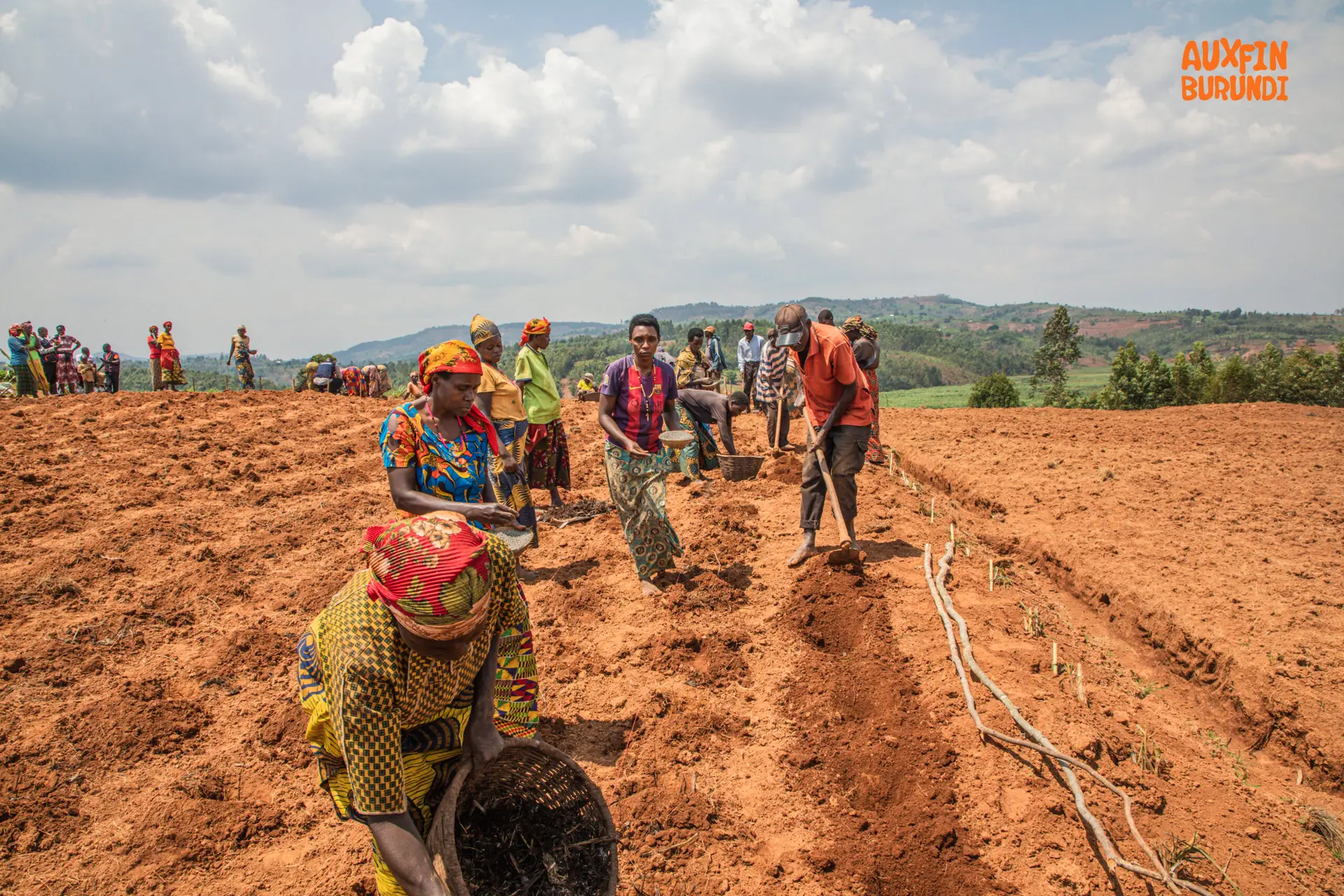
In farming, timing can be measured in days. Miss a planting window, and an entire season can be compromised. Yields fall. Income shrinks. Food security weakens. Yet, for many years, smallholder farmers in Burundi had little control over one of the most important factors determining whether planting happened on time: access to quality seed.
Hybrid maize seed was largely imported. Supply chains were difficult to navigate. Farmers had no reliable system for placing orders in advance. Uncertainty was built into the process. Then, in 2019, SETRACO began producing certified hybrid maize seed locally. The breakthrough, however, was not only about producing seed. It was about ensuring it reached farmers when they needed it.
Through a partnership with Auxfin Burundi and the Universal Method of Value Access (UMVA) digital platform, farmers can now place seed orders that are consolidated and transmitted directly to the Seed Trade Company (Société de Commerce des Semences – SETRACO), a private Burundian agribusiness specializing in the production, multiplication, and distribution of high-quality seeds – especially hybrid maize and biofortified beans. Production planning became clearer, logistics more predictable, and deliveries coordinated across provinces including Karusi, Makamba, Cibitoke and Gihanga regions of Burundi.
Between 2023 and 2025, SETRACO supplied between right and 25 tonnes of hybrid maize seed per season through the arrangement. Behind these figures lies something critical: confidence. Farmers can plan planting calendars knowing that orders will be processed and delivered on time. The uncertainty that once characterized seed procurement is steadily being replaced by predictability.
The quality story is equally important. Field trials conducted with the Ministry of Agriculture have shown SETRACO’s varieties outperforming imported alternatives. Through Auxfin Burundi’s farmer networks, confidence in locally produced seed continues to grow in a market that has historically relied on imports.
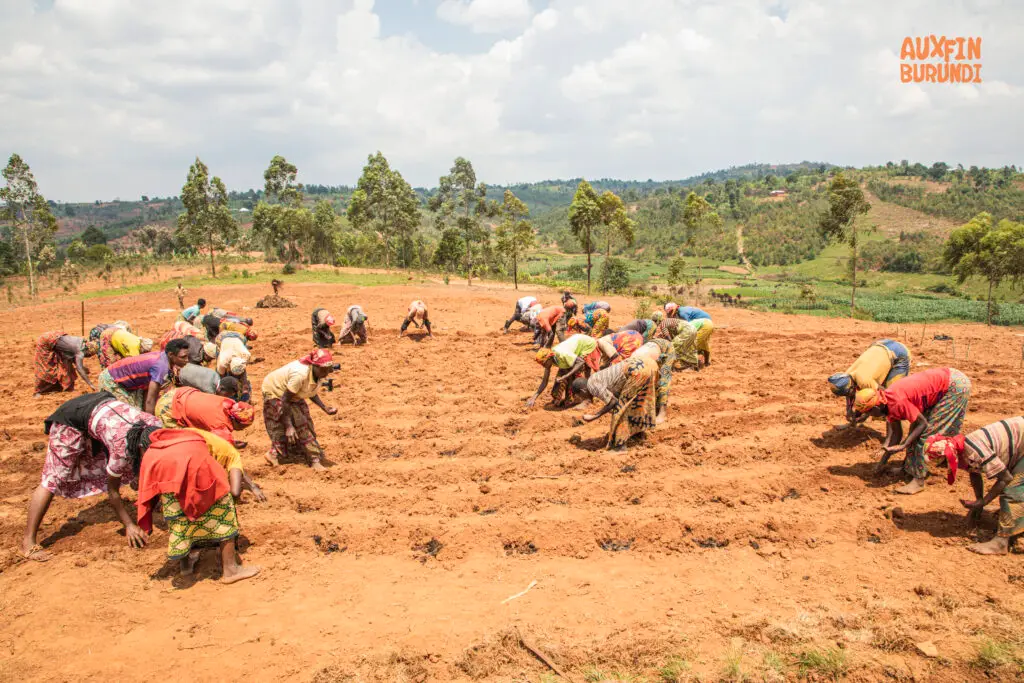
The effects go beyond individual farms. Every tonne of locally produced seed reduces dependence on imports and keeps more economic value within Burundi. Domestic agricultural value chains become stronger, and production becomes more responsive to local demand.
For SETRACO, direct visibility into farmer orders has improved planning and reduced waste. For farmers, timely access to quality seed improves the foundation upon which the entire harvest depends.
The UMVA platform made this possible by creating a direct digital connection between thousands of farmers and a local seed producer. Information that once moved slowly through multiple intermediaries now flows through a structured system designed around transparency and efficiency.
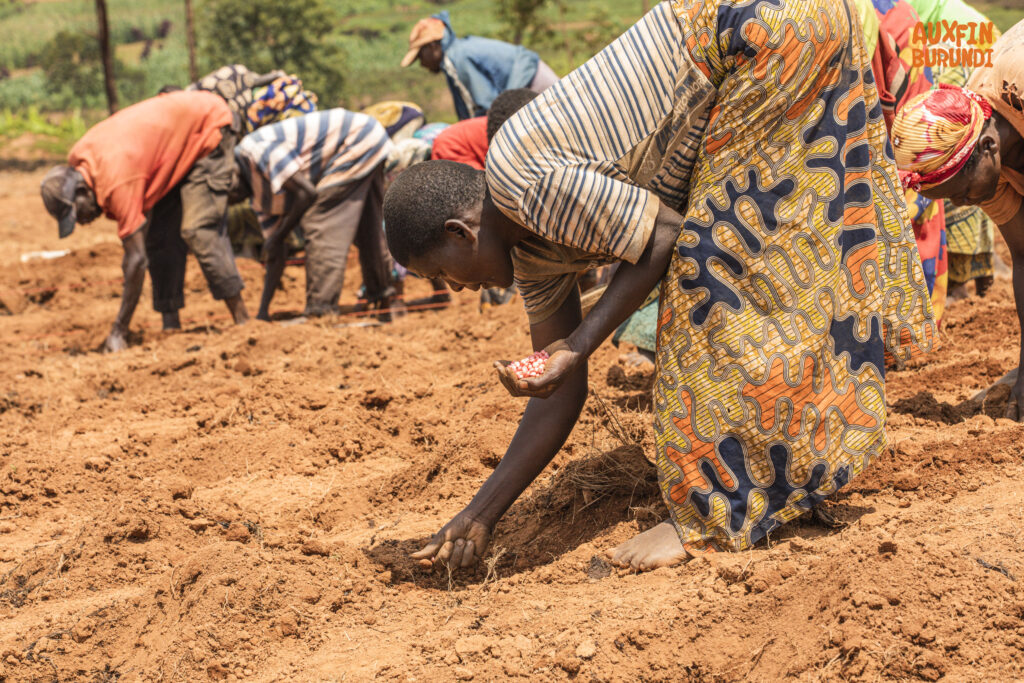
In practice, this intervention has shown that agricultural transformation begins way before the harvest – it does with a seed placed in the soil at exactly the right time.
By connecting farmers to reliable inputs through modern trade systems, Burundi is leading with resilience built before a crisis arrives – through investments that make markets work better, supply chains move faster, and opportunities reach the people who need them most.