When smallholder farmers carry the risk, who gets the reward?
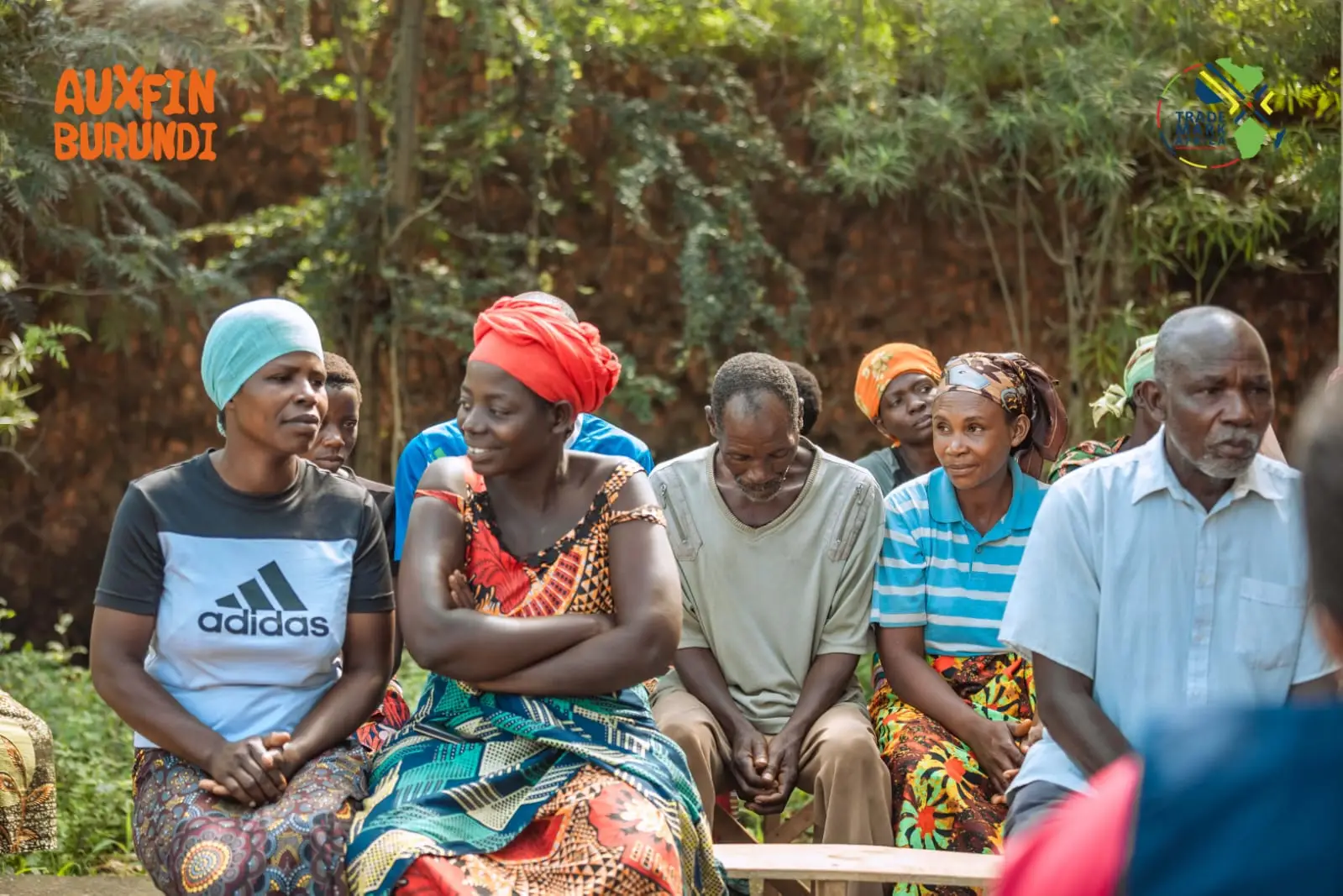
For years, many smallholder farmers in Burundi faced the same difficult choice. Harvest season would arrive, grain ready for sale, but then came the middlemen.
With few storage options and no direct access to large buyers, farmers often had little bargaining power. Cereals that represented months of labour changed hands for as little as 800 BIF per kilogram. By the time the grain reached formal markets, much of its value had already been captured by others.
The farmer carried the risk. Someone else captured the reward. This equation began to change with the arrival of the Umva Business Center (UBC), facilitated by TradeMark Africa with funding from Netherlands.
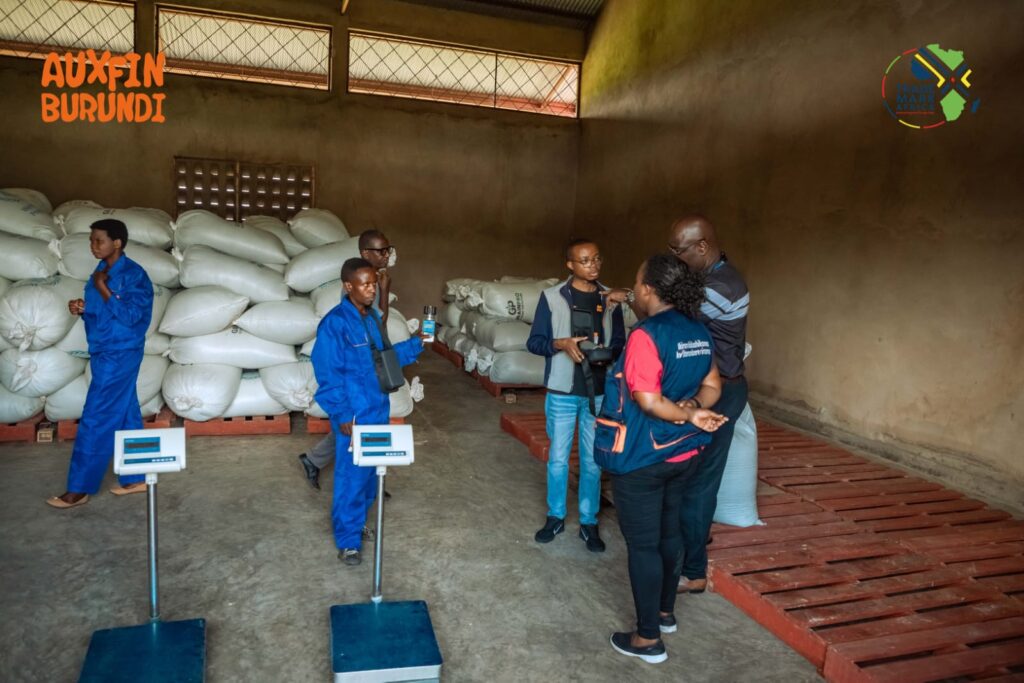
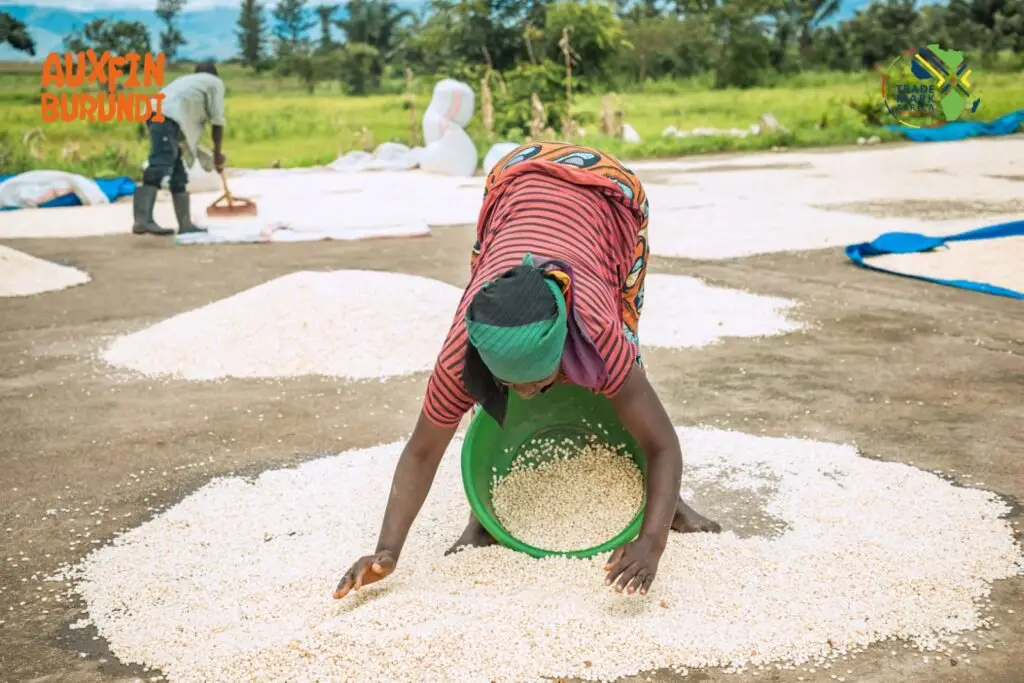
At first glance, the UBC is simply an aggregation centre. Farmers bring their harvests, grain is weighed, tested and recorded, and buyers collect products in bulk. But a closer look reveals that something more profound is happening. Every sack is inspected for quality, every kilogram weighed individually, and every transaction is digitally recorded in the UMVA collection application. But importantly, every farmer receives a receipt, and payment follows promptly the next day. In a rural economy where transactions were once opaque and trust was often scarce; transparency itself has become an asset.
Impact travels far beyond the collection centre gates.
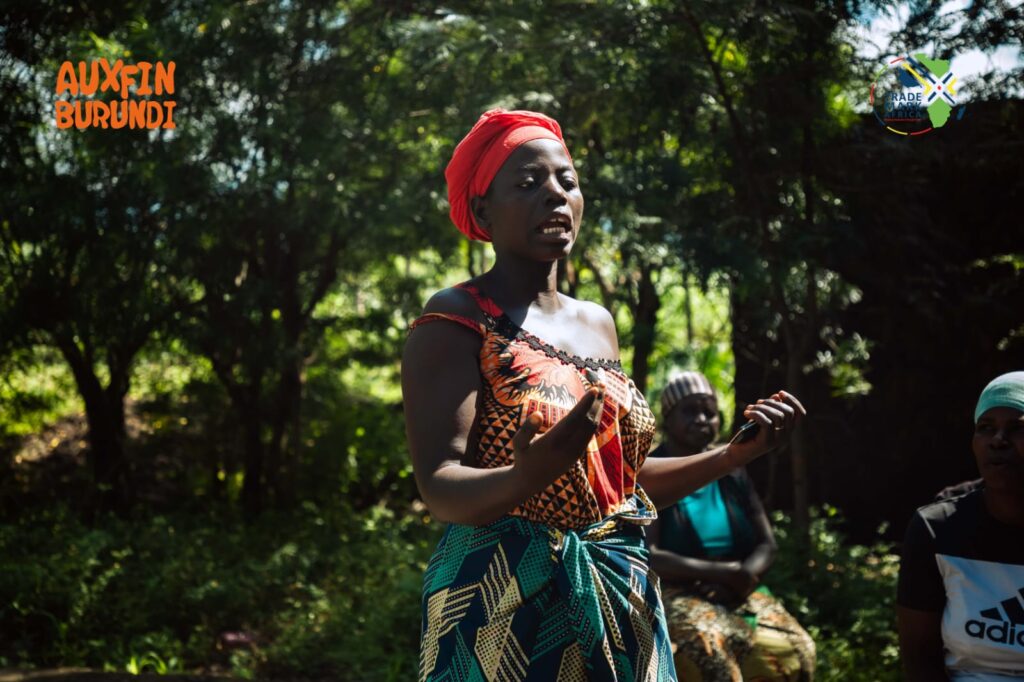
“I once sold into informal markets with low returns, but now receive fairer prices for my produce,” says Tuyishime Sandrine, a farmer in Buganda commune of Cibitoke district. “The additional income most farmers like myself have gotten is being reinvested into livelihoods: purchasing livestock, acquiring land, building homes and launching small businesses.” For many households like hers across the country, farming has shifted from a subsistence activity to a source of genuine economic opportunity.
Meanwhile, the digital records generated through the UMVA platform have created confidence among large buyers. Quality checks, weight measurements and payments are traceable. The risk of fraud is reduced. Trust grows on both sides of the transaction.
These benefits extend beyond farmers. During harvest campaigns, youth who previously struggled to find meaningful work are employed across the UBC system overseeing quality inspections, supervising operations, processing grain or providing security. More than 100 hand loaders have also secured part-time employment through the initiative.
What has emerged over time is an ecosystem, with the UBC demonstrating that poverty is not always caused by a lack of production, but often, from the absence of fair and efficient market access. By connecting thousands of farmers to verified buyers through a structured digital system, the UMVA platform sealed the information gaps that once allowed exploitation to thrive. It has replaced uncertainty with transparency and informal transactions with accountable trade.
The result is a market that works better for everyone – a powerful lesson that when trade systems become fairer, prosperity travels much further than the goods being traded.