The deal looked routine.
Money was transferred. A rice shipment was expected. Then the supplier disappeared.
In a single transaction, Nairobi-based Meysun Trading Limited lost KSh 1.2 million (approx. $9,300) —a devastating blow for a grain trader operating on thin margins. The loss exposed a harsh reality of informal agricultural trade, where business often depended on verbal agreements, personal trust and fragmented supply chains.
“We feared expanding because you could lose money very easily,” recalls Director Mr. Adan. “You would send money to suppliers and sometimes the grain would never arrive. It was very risky doing business that way.”
Founded in 2013, Meysun Trading began as a modest grain business operating from a warehouse near City Stadium along Jogoo Road in Nairobi, Kenya. Trading maize, wheat, barley, rice, soybeans and common beans, the company relied on a storage facility with capacity for about 6,000 bags. Most of its business remained confined to informal local markets, where growth opportunities- and safeguards – were limited.
Everything changed in 2023.
Through the Eastern Africa Grain Council (EAGC) and a TradeMark Africa-supported initiative to strengthen grain trade between Kenya and Tanzania, facilitated by TradeMark Africa with funding from the Netherlands, Meysun joined a structured regional trading network that connected businesses to verified buyers, trusted suppliers and safer cross-border trading systems.
Regional trade forums introduced the company to new business partners in Kenya, Tanzania, Uganda and Zambia, opening markets that had previously seemed too risky to enter.
The biggest shift came with the adoption of G-Soko, a structured grain trading platform that secures payments before deliveries are completed. The system dramatically reduces fraud, failed deliveries and payment disputes—long-standing risks that had discouraged many traders from expanding beyond familiar markets.
“G-Soko has completely changed how we do business,” says Mr. Adan. “Today, there is more trust between traders because transactions are more transparent and secure. We can now trade with confidence, even with new business partners.”
The commercial results followed quickly.
Through structured trade arrangements, Meysun has traded 347 metric tonnes of commodities, including white maize, red sorghum and finger millet. In the second half of 2025 alone, the company traded 153 metric tonnes worth US$105,234, generating the confidence—and the capital—to reinvest in the business.
Growth is visible across the company’s operations.
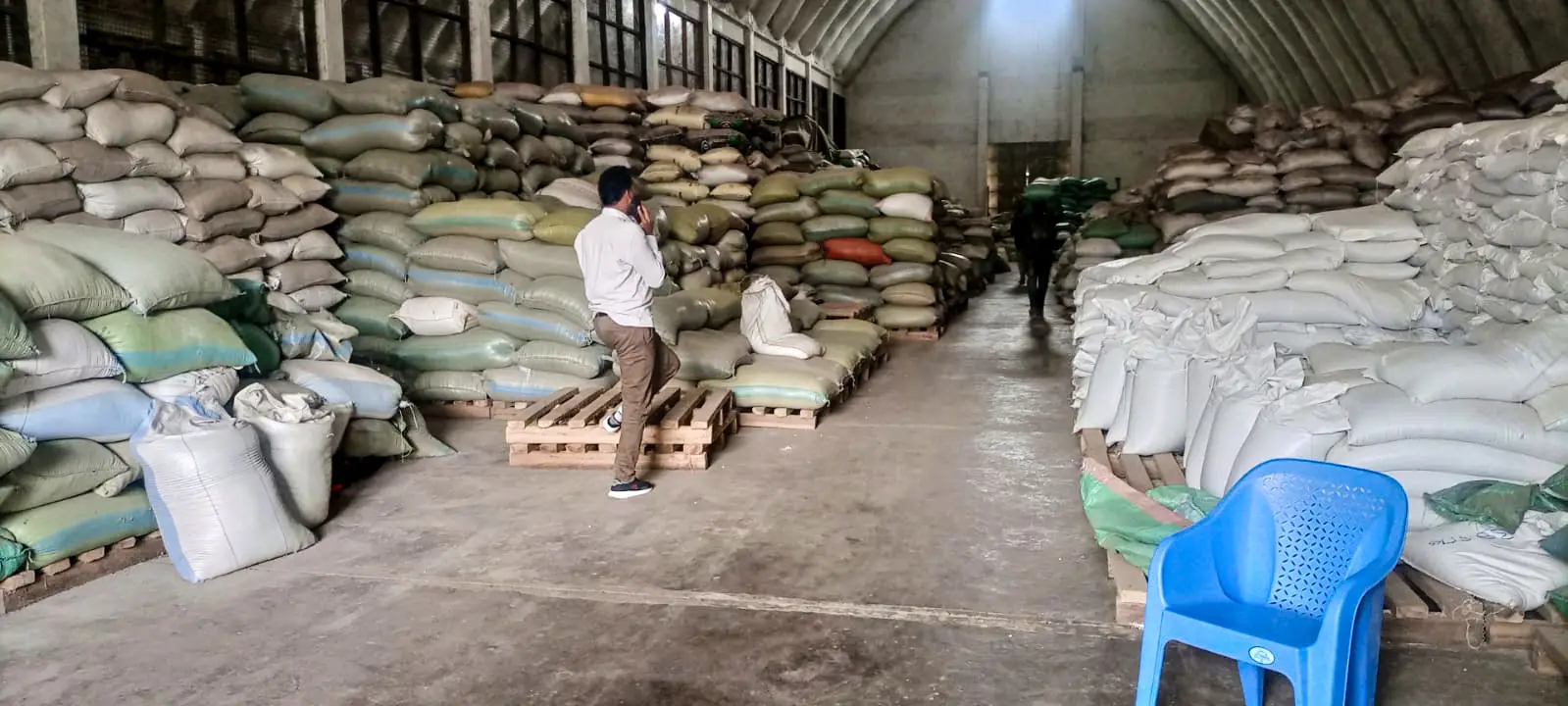
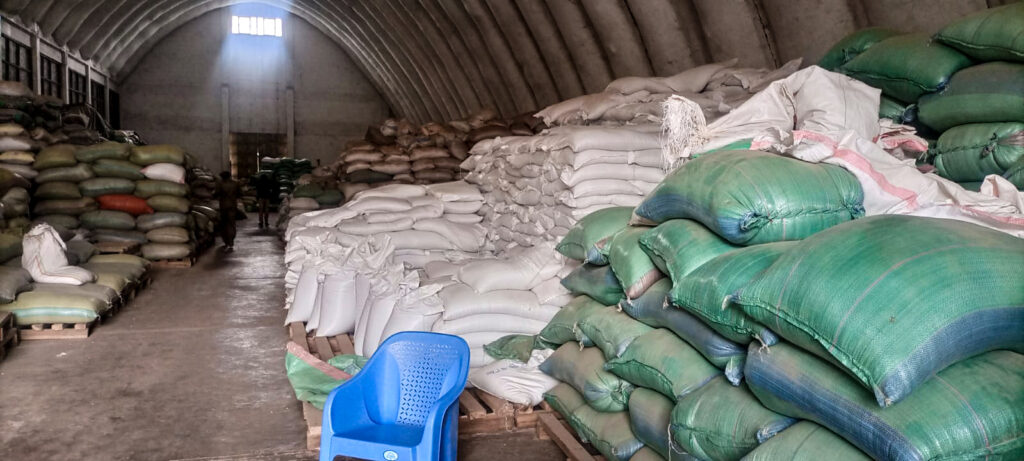
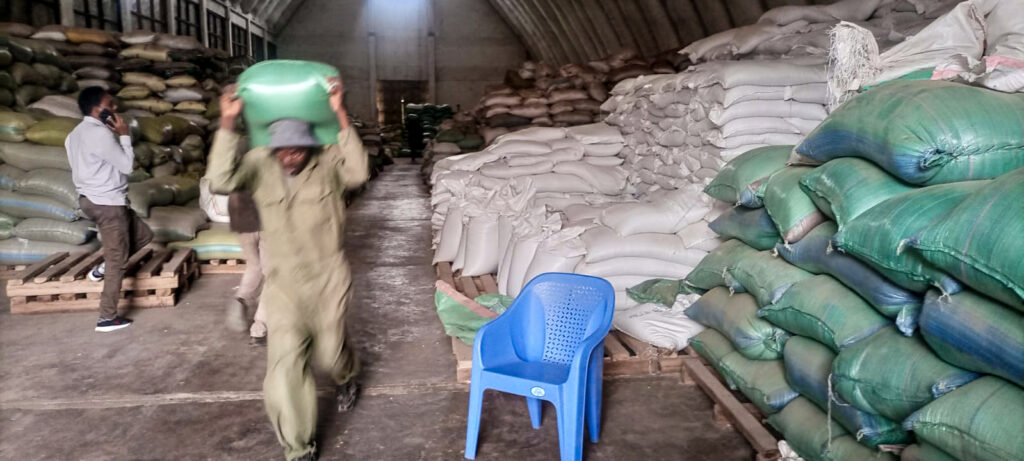
Meysun has relocated from its original warehouse to a larger facility at the National Cereals and Produce Board Industrial Area in Nairobi, increasing storage capacity from 6,000 bags to more than 20,000 bags. It has invested approximately KSh 242,000 in a modern office equipped with laptops, internet connectivity and improved operational systems, while installing 100 storage pallets to improve commodity handling and maintain grain quality.
Expansion has also created jobs. The company now employs three permanent staff members and regularly hires casual workers for sourcing, loading, transport and deliveries during peak trading seasons.
“Before, we were surviving from one transaction to another,” says Mr. Adan. “Now we can plan ahead, expand our business and build long-term relationships with buyers and suppliers across the region.”
Meysun’s journey reflects a wider transformation taking place across East Africa’s grain economy. Through the programme, more than 60 traders and businesses have traded over 7,200 metric tonnes of grain worth approximately US$4.4 million, strengthening market linkages between Kenya and Tanzania and demonstrating how transparent, structured trade can reduce risk, unlock investment, create jobs and build more resilient regional food markets.