

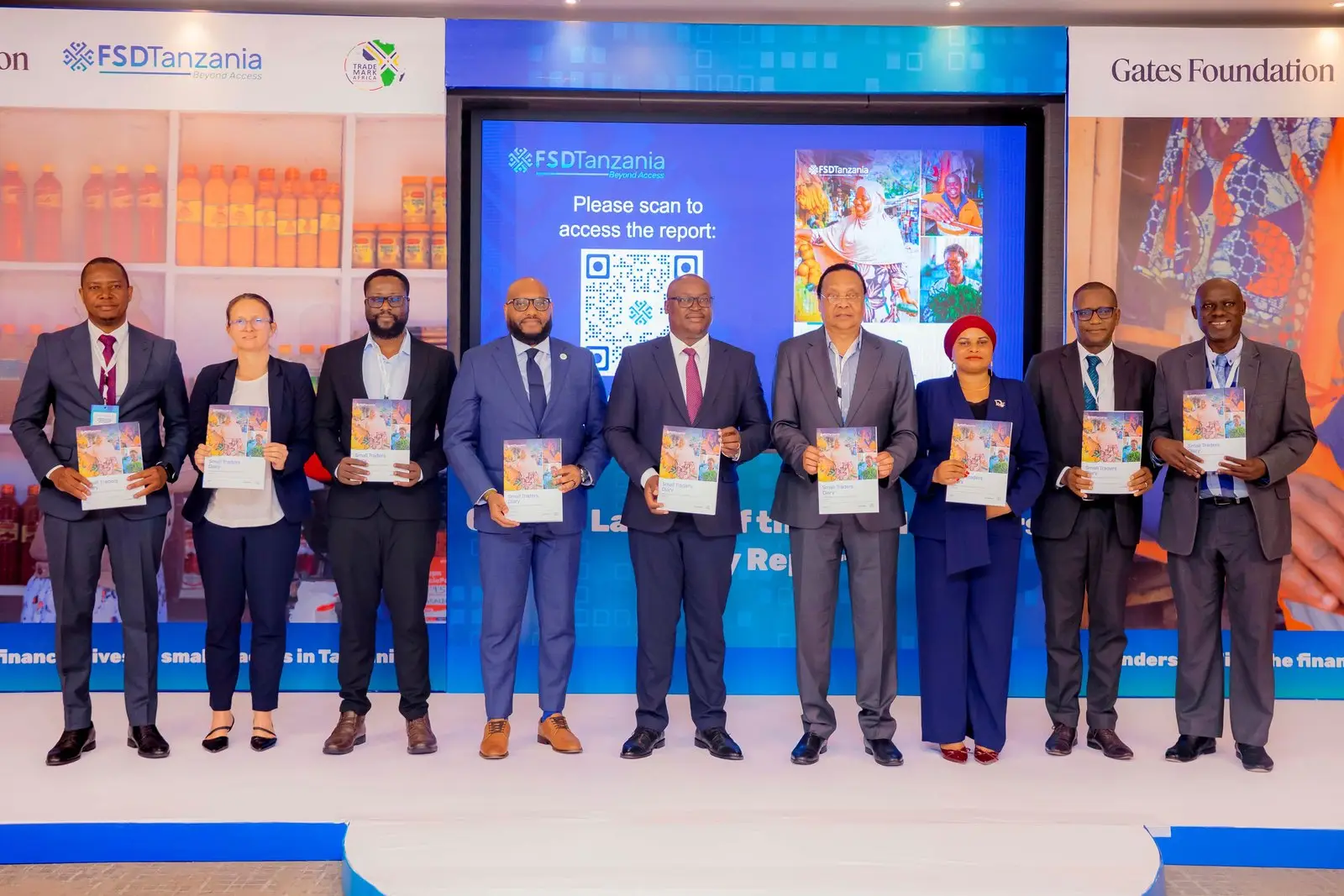
Dar es Salaam, Tanzania, 20 November 2026: Tanzania has launched a longitudinal study showing that many participating small traders generated positive operating margins but had limited cash reserves to manage fluctuating revenues, unexpected costs and weaker trading periods.
The Small Traders Financial Diaries Longitudinal Study, funded by the Gates Foundation, led by Financial Sector Deepening Tanzania (FSDT) and supported by TradeMark Africa (TMA), found that 95% of participating traders recorded positive cumulative operating margins, yet a quarter held less than six days’ worth of business expenses in reserve.
The study engaged 350 traders across Dar es Salaam, Tunduma, Mutukula, Namanga and Kahama, capturing how they earned, spent, saved and borrowed. Between July 2025 and July 2026, participating traders recorded median monthly revenues of about TZS 1.9 million ($716), median business expenses of TZS 870,000 ($328) and a median operating margin of TZS 663,000 ($250). About 85% of recorded spending value went towards business inputs, including stock, raw materials, wages and equipment.
When cash ran short, 38% of participating traders said they would use household savings, while 34% would reduce business activity. About one-third of profiled traders sold into other countries, including Kenya and Zambia, linking the day-to-day financial health of these businesses to their ability to trade across domestic and regional markets.
Speaking at the launch, Hon. Dennis L. Londo (MP), Deputy Minister for Industry and Trade, said: “Small traders play an important role in Tanzania’s economy, yet many face financial pressures that affect their ability to sustain and grow their businesses. These findings highlight the need for financial products that reflect how traders earn and manage their income, alongside improved access to markets, infrastructure, digital technology and business services.”
The study also found a gap between access to formal financial services and how traders used them in their businesses. While 65% of participating traders held business bank accounts and 60% had mobile-money accounts, cash accounted for 87% of incoming and outgoing transactions by number. Digital channels carried 36% of incoming transaction value and 62% of outgoing value, showing that traders used them more for higher-value transactions.
Eric Massinda, Chief Executive Officer of FSDT, said: “This study shows that running a profitable business does not necessarily mean having the financial resources to withstand unexpected costs. By understanding how traders earn, spend, save and borrow, financial service providers can develop more affordable and practical solutions that respond to fluctuating incomes and the everyday realities of small businesses.”
Women accounted for 61% of the analytical sample, reflecting in part the quotas used to select participants. The study recorded differences in revenues between women- and men-owned businesses but did not establish gender as the cause of those differences.
Speaking on behalf of TMA’s Country Director for Tanzania, Scholastica Haule, Gender Manager at TMA, said: “Small traders connect producers, suppliers and consumers across domestic and regional markets, but limited access to finance, business support and market opportunities can constrain their growth. These findings give us valuable evidence to strengthen inclusive trade interventions, particularly for women traders, and help small businesses participate more effectively in markets.”
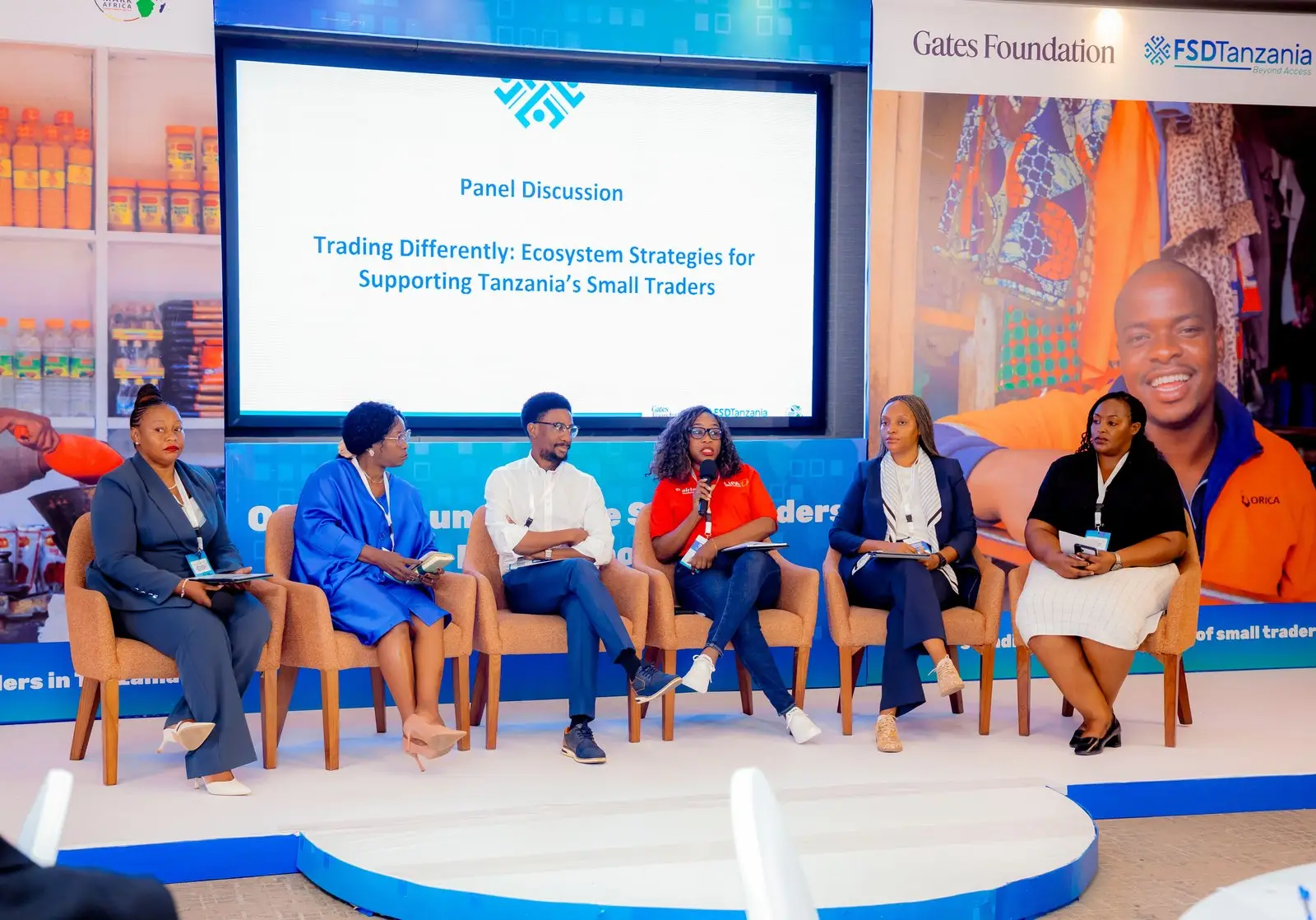
Dr Remidius D. Ruhinduka, Assistant Commissioner of Policy Analysis at the Ministry of Finance, said: “Effective economic and financial policies must be informed by the realities of the businesses they are intended to serve. This study provides important evidence on how small traders manage their finances and the challenges they face, helping policymakers and financial institutions develop more responsive interventions.”
The study provided government, regulators, financial institutions, trade associations and development partners with evidence on how small traders operated, managed cash shortfalls and used financial services. For traders who depended on daily and monthly business income, maintaining working capital and having enough cash to absorb a difficult trading period remained closely connected to their ability to continue trading and grow.
The full report is available through the FSDT Resource Hub: www.fsdt.or.tz/resource-knowledge-hub