
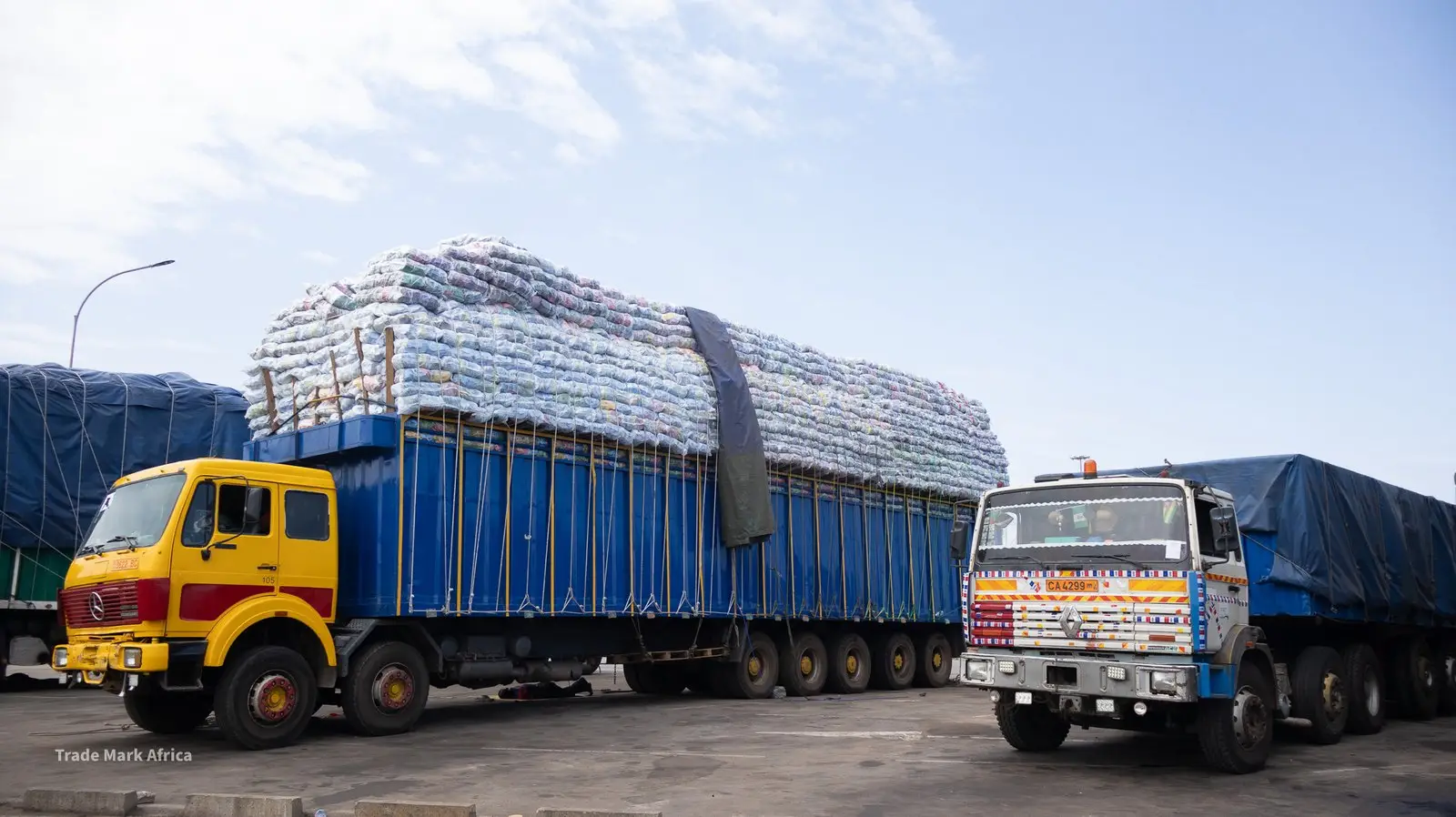
A truck carrying goods from Abidjan to Lagos travels through five countries: Côte d’Ivoire, Ghana, Togo, Benin and Nigeria. At each border, customs officers need to know what it carries and where it is going. When its transit declaration, lodged in the last country, does not seem to have reached the next customs system, officers fall back on phone calls and paper verification which takes time. While the truck waits, it costs transporters time, adds cost and uncertainty for traders, and makes it harder for customs to track goods and protect revenue. The Economic Community of West African States (ECOWAS) Commission is addressing this through SIGMAT, the Interconnected System for the Management of Goods in Transit. This system allows participating customs administrations to exchange transit information electronically so goods can be followed from departure to destination. Notably, SIGMAT only works efficiently if national systems stay online and interact. For the systems to interact, they need functioning servers, secure networks, reliable connectivity and software interfaces that let different systems exchange information.
A stronger customs IT system in Benin is an investment in the reliability of a regional trade corridor. It means fluid transit information flow that supports faster, more predictable trade along the Abidjan–Lagos Corridor.
TMA’s support to enhancing the technology behind smooth border operations for Benin
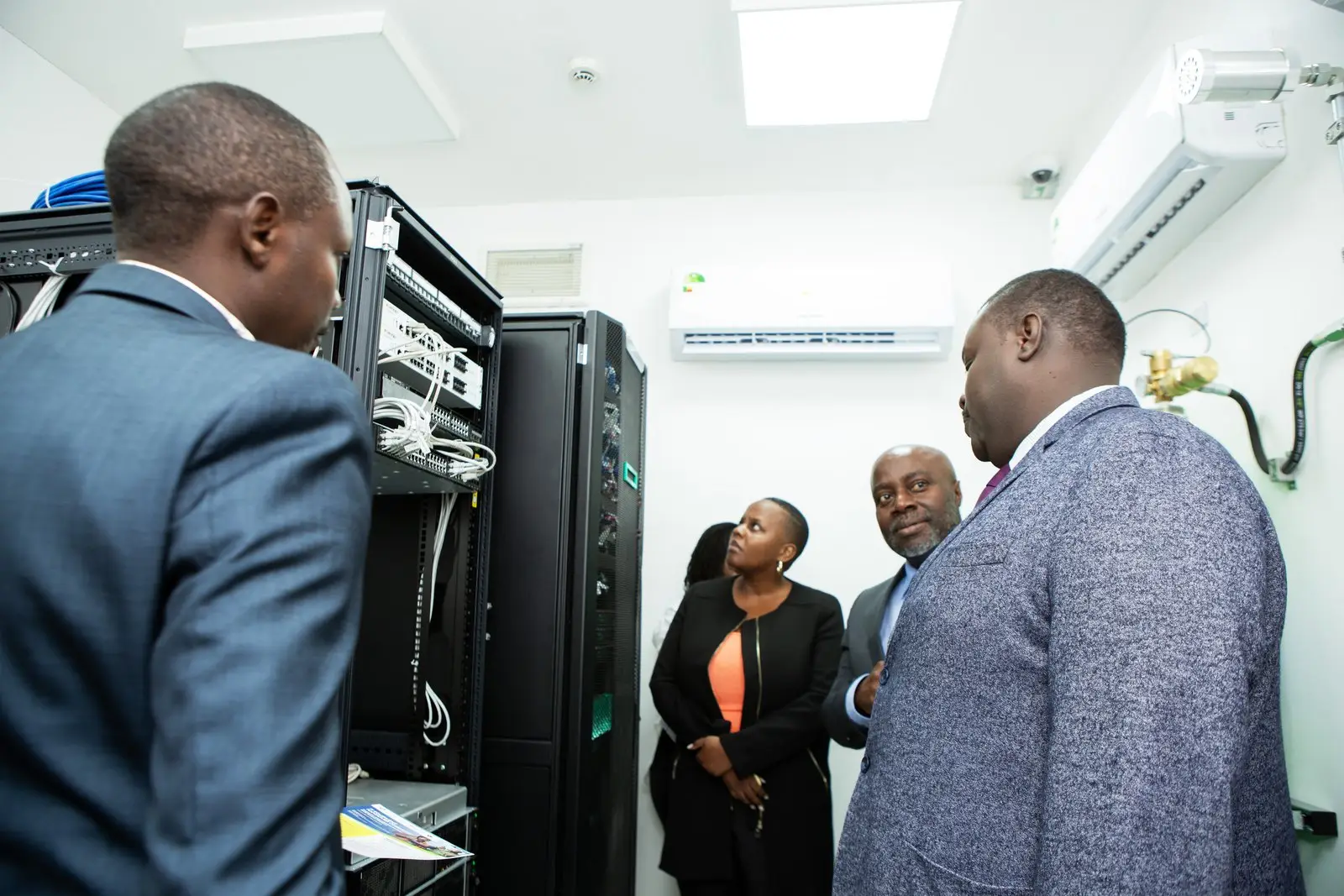
As part of this regional system, Benin’s Customs Administration plays a critical role in keeping transit information moving along the corridor. With UK-FCDO funding, TMA has strengthened the servers supporting Benin’s national node, helping ensure the effective functioning of SIGMAT. This enables more reliable information exchange between countries and supports more predictable cross-border trade. The package, most of which has already been installed included:
- Three servers and two firewalls, supported by a three-year security bundle.
- Virtualisation software and Windows Server licences.
- Endpoint security licences covering 500 users.
The equipment is intended to strengthen the IT environment supporting Benin Customs’ digital operations, including its participation in SIGMAT. The servers provide the computing capacity needed to run applications and process information. The firewalls help protect the network against unauthorised access and cyber threats. Security software adds another layer of protection, while virtualisation software allows computing resources to be used more efficiently. Customs IT teams have also been trained to monitor and manage the infrastructure, identify problems, manage security and respond when systems fail.

On 5 November 2026, TradeMark Africa, with funding from UK-FCDO, and in partnership with the ECOWAS Commission, officially handed over the IT equipment to the Benin Customs Administration at their head office in Cotonou.
Accompanying the event, Dr Darlington TALERY, the Director of the ECOWAS Customs Union emphasized “We hope that the equipment will increase transit, intra-regional trade and promote economic growth”.
The Director General of Customs highlighted that “Customs will make maximum use of equipment and make sure that they maintain the equipment so that it functions in a sustainable fashion.”
In an appreciation note signed by the Director General of Customs, Benin, he noted that:
This support is timely as it will allow a reduction in SIGMAT node interruption with neighboring countries and endow customs teams with the capacity to use and maintain the systems. The equipment will contribute to the modernisation and simplification of customs procedures, the fight against fraud and the smooth transit of goods.
What does this mean for traders and transporters?
For a transporter approaching a border, the value of a stronger customs IT system is ultimately practical. When the systems are functioning and connected, the transit information sent ahead of the truck can be available to the receiving customs administration. Officers can verify the declaration without having to start the information exchange from scratch. They can identify discrepancies, manage risks and make better-informed decisions.
This can reduce repeated administrative steps, improve coordination between customs administrations and help goods move more predictably. The benefits extend beyond individual border posts. Better information can help customs administrations keep record of where delays occur, how long transit operations take and where additional interventions are needed.
TradeMark Africa’s investment in Benin’s IT is enhancing one of the national systems on which regional interconnectivity depends while TradeMark Africa continues to support other national systems along the Abidjan-Lagos corridor.