
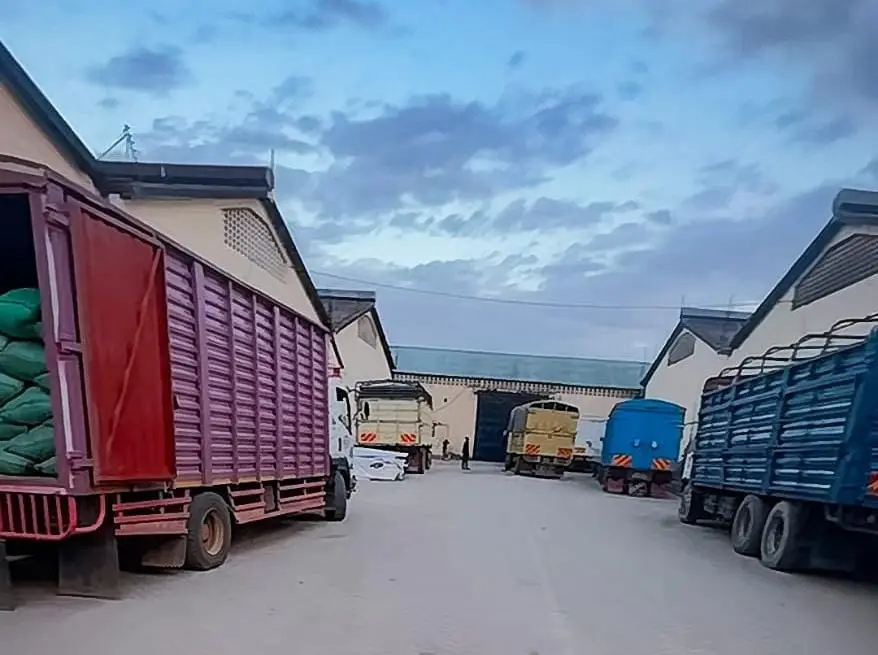
Today, trucks rumble out of a bustling warehouse in Nairobi loaded with beans destined for markets across Eastern and Southern Africa. But only a year earlier, Nemuwa Cereal General Store was a mid-sized grain aggregator wrestling with unreliable suppliers, rising transport costs and limited access to regional markets.
Now, the company sources grain from Tanzania, supplies buyers as far as Malawi, and is investing in warehouses, transport and value addition to fuel its rapid expansion.
The turning point came in July 2024.
Nemuwa joined an Eastern Africa Grain Council (EAGC)-TradeMark Africa (TMA) partnership programme, facilitated by TradeMark Africa with funding from the Netherlands, which helped small and medium-sized agribusinesses access regional markets through training, business matchmaking and stronger trade networks.
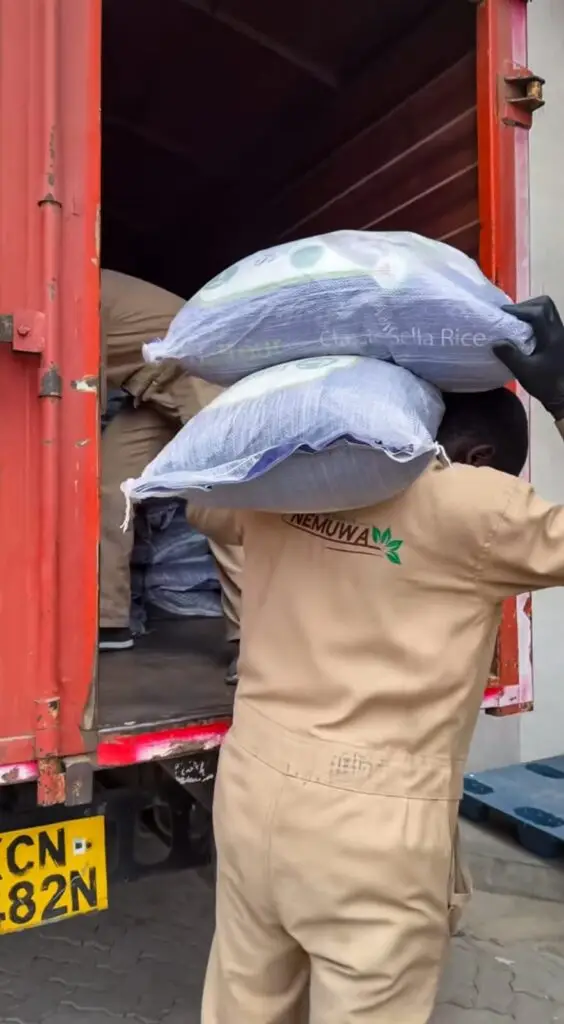
For the company, growth depended on solving one persistent challenge: finding reliable suppliers and transport partners capable of supporting cross-border trade.
The breakthrough happened during a Business-to-Business Forum in Dar es Salaam, where Nemuwa connected with Tanzanian grain suppliers and a logistics company operating a fleet of ten cross-border trucks.
“During the Forum, we solved a logistical nightmare that had cost us both time and clients,” recalls one of the company’s directors. “We now have a transport partner with ten trucks, and every new shipment we move strengthens the business.”
The impact was immediate.
Within months, Nemuwa secured contracts for 32 metric tonnes of chickpeas from Tanzania and more than 532 metric tonnes of yellow and black beans through new trading partners. In just six months, the company generated more than US$421,990 in cross-border trade sales.
Success quickly outgrew the original opportunity.
Nemuwa has since leased three 10,000-square-foot warehouses – one in Magugu, Kenya, and two in Arusha, Tanzania – alongside a 30,000-square-foot godown in Katani, Kenya. The expanded facilities have increased storage and aggregation capacity while allowing trucks to load and dispatch grain even as sorting continues.
The growth is creating opportunities beyond the balance sheet. More than 400 women now work in grain sorting and quality control, while a young woman oversees aggregation and business management in Arusha, demonstrating how expanding regional trade is opening doors for women and youth.
To keep pace with rising demand, the company has invested in two 33-metric-tonne trucks and industrial stitching equipment for its Tanzania operations. At its Katani facility, Nemuwa also installed a packaging line worth approximately US$59,000, enabling it to package beans, rice and sugar for supply to Jaza Supermarket outlets across Nairobi.
Demand from Malawi has added fresh momentum. Following drought-related food shortages, government institutions sought red kidney beans for schools, hospitals, prisons and other feeding programmes. With stronger regional supplier networks and improved logistics, Nemuwa was able to respond quickly, driving another surge in trade volumes and sales.
The stronger business performance has also enhanced the company’s financial standing. Without taking on new loans, improved revenues increased Nemuwa’s credibility with financial institutions, unlocking higher overdraft limits and additional working capital to finance further expansion.
That expansion continues. In December 2026, Nemuwa is set to open three retail outlets along Kangundo Road in Nairobi, extending its presence across the grain value chain.
Its journey reflects a much bigger story. Across the programme, more than 60 traders have traded over 7,000 metric tonnes of grain and generated more than US$4.4 million in structured trade sales. Together, they demonstrate a simple truth: when businesses are connected to the right markets, suppliers and service providers, trade becomes more than commerce. It strengthens supply chains, creates jobs, improves food security and builds resilient regional economies that continue growing long after a programme has ended.