
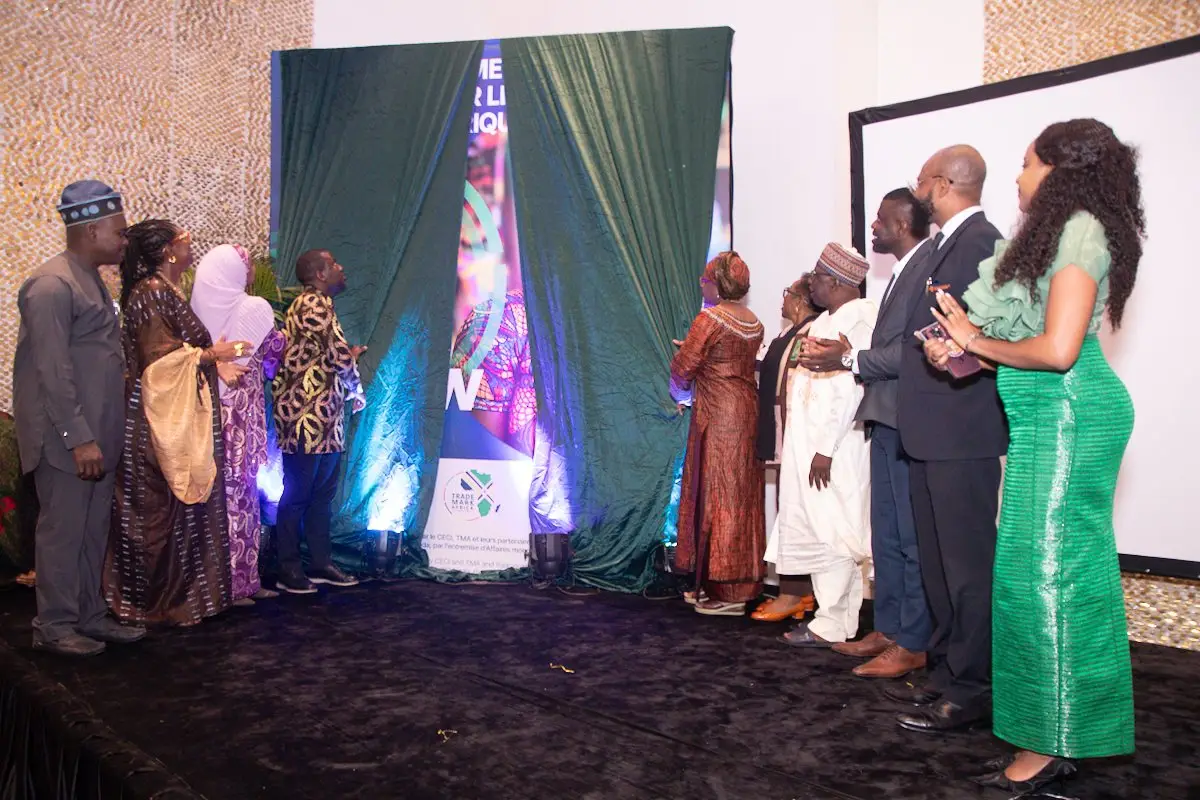
Lagos, Nigeria- 29 October 2026 – At Marriot Hotel, Ikeja, TradeMark Africa and the Centre for International Studies and Cooperation (CECI) in partnership with the Federal Ministry of Industry, Trade and Investment (FMITI), and with funding from Global Affairs Canada launched the Making Trade Work for Women in West Africa (MTWW) project. Nigeria’s launch marks another step in a regional effort led by consortium partners, TradeMark Africa and CECI, to address barriers that limit women’s participation in cross-border trade and regional market access.
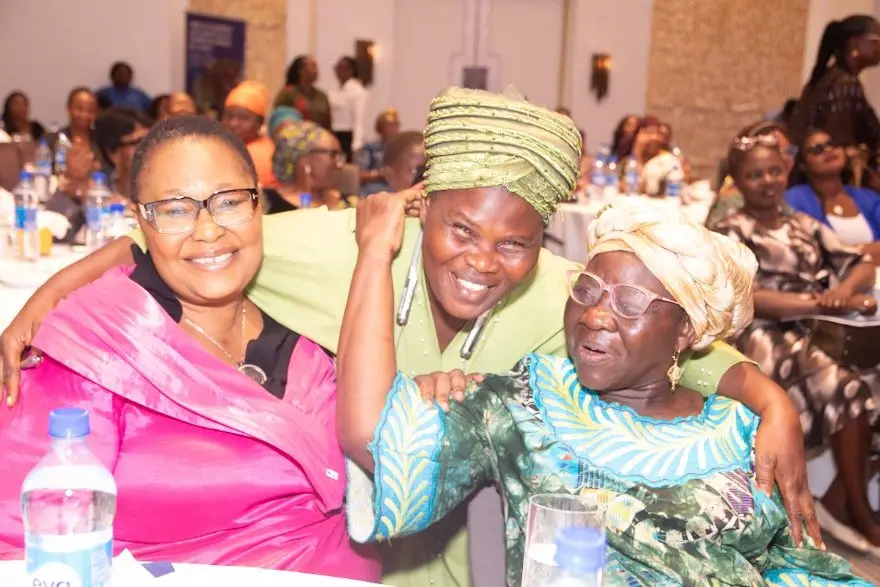
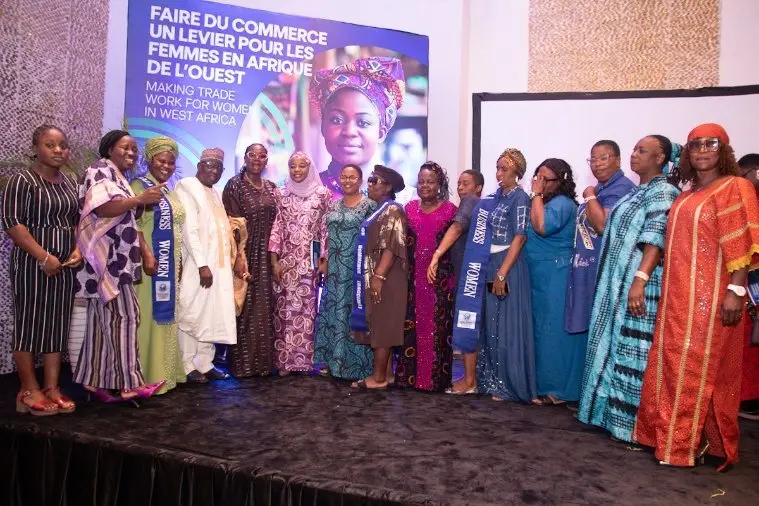
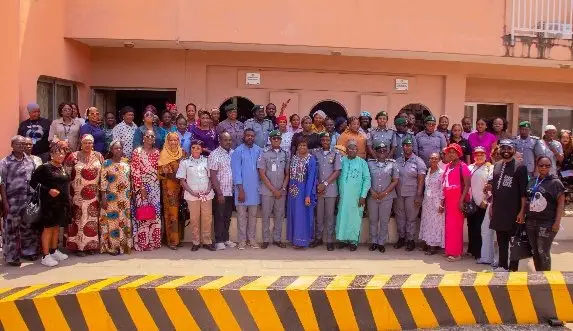
Over 100 individuals representing key national agencies, banking institutions, women’s associations and businesses were present in the room. In a bright and colourful room coupled with an ambiance of excitement and a shared determination to see women thrive in trade, their energy and enthusiasm reflected the vital role women play in cross-border trade as well as the opportunities that open when women have increased access and support to grow their businesses.
Women traders still face limited access to markets and finance, higher costs and risks at borders, and barriers to benefiting from the African Continental Free Trade Area (AfCFTA). The MTWW project is aimed at helping women traders across Nigeria, Ghana, Benin, Burkina Faso, Côte d’Ivoire and Togo trade more safely and profitably. Working with governments, women traders’ associations, private-sector actors and regional partners, the programme will directly support 80,000 people, 70% of them women, and benefit 20,000 traders indirectly. MTWW will build traders’ skills, strengthen their businesses, promote safer, more gender-responsive border crossings, and support policies that let women take full part in regional trade.
In Nigeria, the programme has the backing of the FMITI. Speaking on its behalf, Mr. Dayo Okewole, while acknowledging the challenges women face on their trade journeys and ongoing efforts by government to address those, said, “We are excited about this project because it allows us to work hand in hand with our partners to make trade work for women in Nigeria”. He said women account for 70 percent of informal cross-border traders and make up a substantial share of the small and medium enterprises. “Collaboratively, we will equip women with digital skills and connect them to finance and to import and export networks.”
Mr. Kwamina Ekremet, the Acting Director for Anglophone West Africa, Trademark Africa, who spoke on behalf of the consortium emphasized that, “Trade cannot reach its full potential if women continue to face barriers that limit their ability to move goods, access markets and grow their businesses.” Acknowledging the partnership with FMITI, he highlighted that Nigeria’s participation is an important part of the wider commitment across West Africa to making cross-border trade safer, more inclusive and more efficient. “By working with governments, women’s associations and border agencies, businesses can benefit fully from regional integration.”
Halima Ouattara, Regional Coordinator for MTWW at CECI, said the programme will help women navigate trade systems while also contributing to improving those systems. She urged institutions to position themselves to support lasting solutions that will strengthen women’s economic agency and help women-led enterprises access regional markets and opportunities.
Private-sector and finance partners also backed the project. Samira Saleh-Jumeta of the Women Chamber of Commerce Nigeria urged all stakeholders to work together to turn the real challenges into opportunities. She said she hoped the programme would open doors for women to take their first step into cross-border trade and called for stronger partnerships to enable and enhance business opportunities. Genevieve Nwowu, the unit head of the Women in Manufacturing Association of Nigeria (WIMAN), stressed the need for sustained collaboration so that women are involved in, and able to contribute fully to, trade implementation in Nigeria. Daniella Jarikre-Ikazoboh, Head of the Lagos Regional Office, Nigerian Export-Import Bank (NEXIM), expressed excitement about the programme because it marked a shift from empowering women to encouraging them to trade, grow and compete at regional scale.
The launch was preceded by a visit to the Seme border, where the consortium and key stakeholders met Customs officials and women’s associations to understand the realities traders face on the ground. The visit highlighted the newly established shelter for women who, for various reasons, use the border at odd hours. It further revealed a clear need for greater awareness and sensitisation on trade procedures, systems and opportunities available to the traders, among other priorities.
MTWW is implemented by TradeMark Africa and CECI with funding from Global Affairs Canada. Over the programme period, 2026-2030, the consortium will work with national and regional institutions, civil society, business associations and women traders’ networks across the six participating countries. By removing the barriers women traders face and strengthening their ability to participate in formal and regional markets, MTWW aims to turn the benefits of trade into stronger businesses, better livelihoods and more inclusive economic growth.