

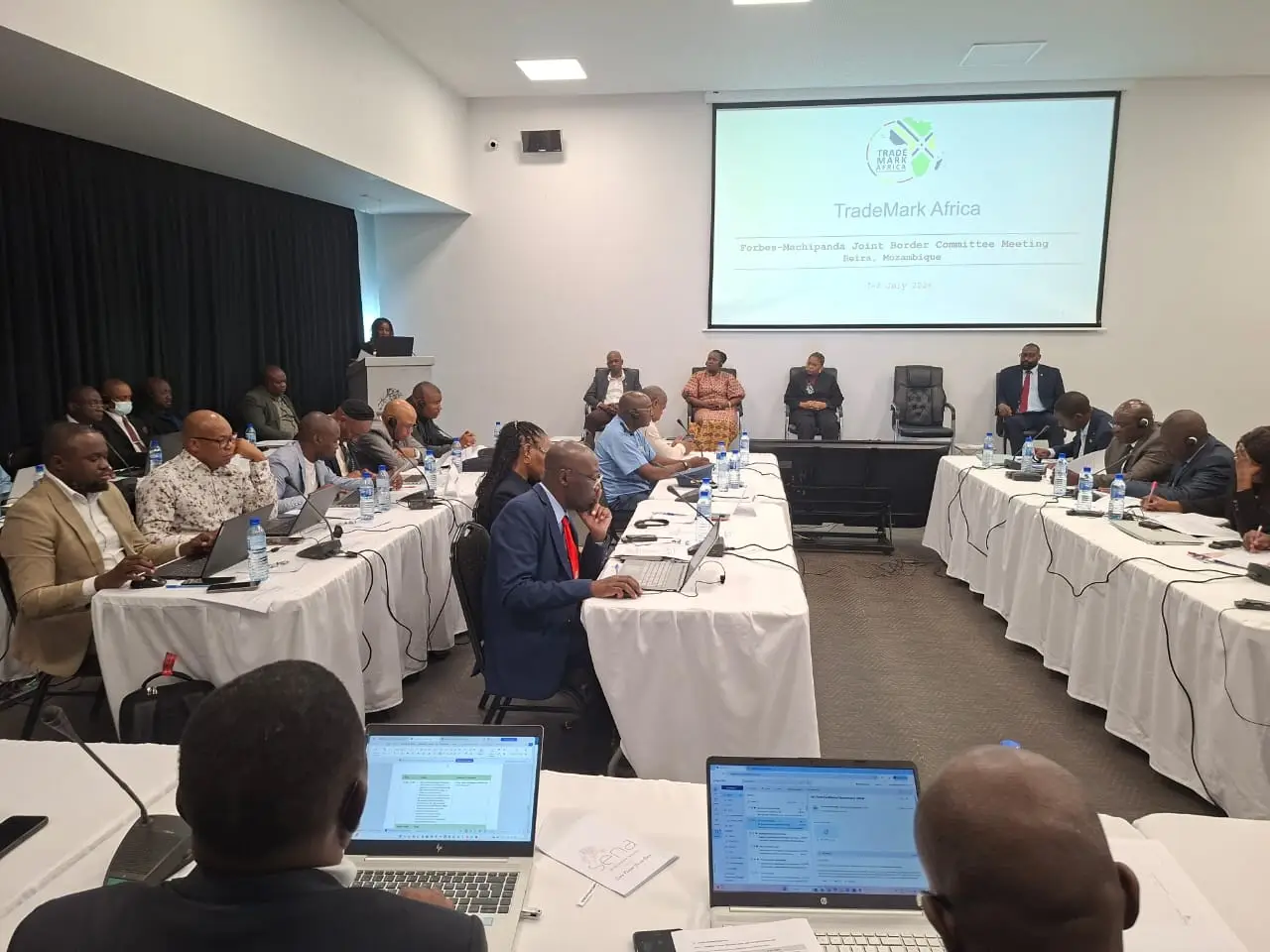
Beira, Mozambique, 7-8 July 2026: Mozambique and Zimbabwe have taken a significant step towards improving the efficiency of cross-border trade by operationalising the Forbes-Machipanda Joint Border Committee (JBC), a bilateral mechanism that will strengthen coordination between border agencies, reduce delays and improve the movement of goods and people along the strategic Beira Corridor.
The milestone, reached during a two-day meeting in Beira on 7-8 July, saw officials from both countries adopt a 12-month operational workplan, turning commitments made during the bilateral meeting in Mutare, Zimbabwe, in March this year into reality. The Committee will provide a structured platform for resolving operational challenges at one of Southern Africa’s busiest border crossings, helping to make cross-border trade faster, more predictable and more competitive.

Opening the meeting, the Provincial Director for Industry and Trade, Sofala Province, António Francisco Alexandre, said operationalising the Committee was critical to addressing persistent congestion and delays at the border crossing. He noted that stronger bilateral cooperation was essential to improving border efficiency and facilitating trade along the Beira Corridor. The message was reinforced by Mozambique’s National Director for Internal and External Trade in the Ministry of Economy, Vera Godinho, who said the strong participation by both governments reflected the importance they attach to strengthening bilateral border cooperation.
Zimbabwe’s Permanent Secretary in the Ministry of Transport and Infrastructural Development, Joy Makumbe, described transport corridors as critical engines of growth, facilitating the movement of minerals, agricultural commodities and manufactured goods while supporting livelihoods and investment. She highlighted Zimbabwe’s ongoing expansion of infrastructure at Forbes Border Post through a public-private partnership as part of efforts to improve efficiency along the corridor and expressed Zimbabwe’s readiness to share lessons as Mozambique undertakes similar improvements at Machipanda.
Bringing together customs, immigration, police, health, agriculture, standards authorities, road agencies and the private sector, the Committee will enable the two countries to jointly address operational bottlenecks rather than agencies operating independently. Its first-year workplan focuses on harmonising border procedures, synchronising operating hours, strengthening joint inspections and intelligence sharing, improving ICT interoperability, assessing infrastructure needs and establishing a monitoring framework to track border performance.
The Forbes-Machipanda JBC operationalisation and other interventions to strengthen the Beira Corridor form part of a broader trade facilitation programme supported by the UK Government through TMA to enhance the efficiency, resilience and competitiveness of strategic trade and transport corridors across Southern Africa. The programme focuses on strengthening cross-border coordination, streamlining border procedures, reducing transport and logistics bottlenecks, and facilitating the faster, more predictable movement of goods and people across the region.
Beira Port is fast becoming one of the main trade routes in the SADC region, serving Zimbabwe, Zambia, Malawi, and the Democratic Republic of Congo. Zimbabwe alone accounts for about 55% of inward and outward cargo handled at the Port, with the Forbes-Machipanda border post serving as the major gateway linking the two countries.
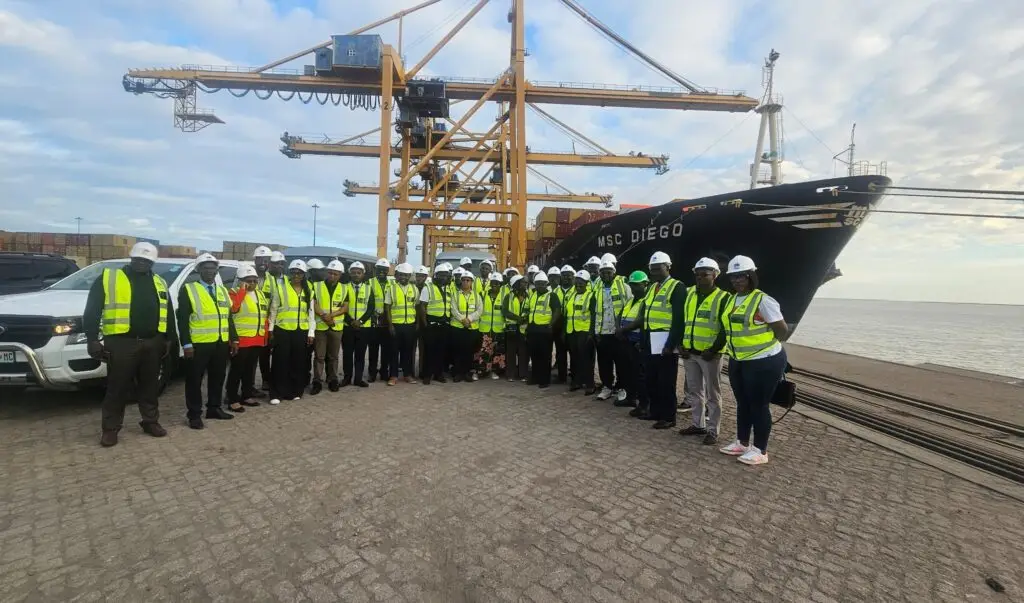
Hope Situmbeko, TradeMark Africa’s Regional Director for Southern Africa, said the initiative reflects the organisation’s commitment to reducing the time and cost of trade while improving private sector competitiveness across the region. “TMA has taken a corridor approach to achieving efficiencies on trade routes, and we are working with both the Governments of Mozambique and Zimbabwe on strengthening coordination between the two countries through the Joint Border Committee at the Forbes-Machipanda border,” she said.
Congestion, lengthy queues, and fragmented border procedures have continued to drive up transport costs, delay deliveries, and undermine the competitiveness of businesses that depend on the Beira Corridor. “The success of the JBC is expected to provide the private sector with seamless cargo traffic flow at the border, allowing for faster turnaround at Beira Port,” Ms Situmbeko added.