Lake Victoria basin communities unite to end sexual exploitation, harassment and abuse in the fish trade
July 21, 2026
At fishing beaches and markets across western Kenya, women and young people are speaking openly about a practice that has remained hidden in plain sight for generations: the use of sexual exploitation as a condition for accessing fish and economic opportunities.
Through the LAINISHA FORM campaign, fishing communities are now challenging the power imbalances, harmful social norms and economic vulnerabilities that allow sexual exploitation, abuse and harassment (SEAH) to persist across the fisheries value chain. The campaign forms part of the Women and Youth Economic Empowerment in Fisheries Programme, implemented by the African Continental Free Trade Area (AfCFTA) Secretariat and TradeMark Africa (TMA) in partnership with Mastercard Foundation. TMA is working with Royal Media Services, through Ramogi FM and Mulembe FM, to deliver the campaign in western Kenya.
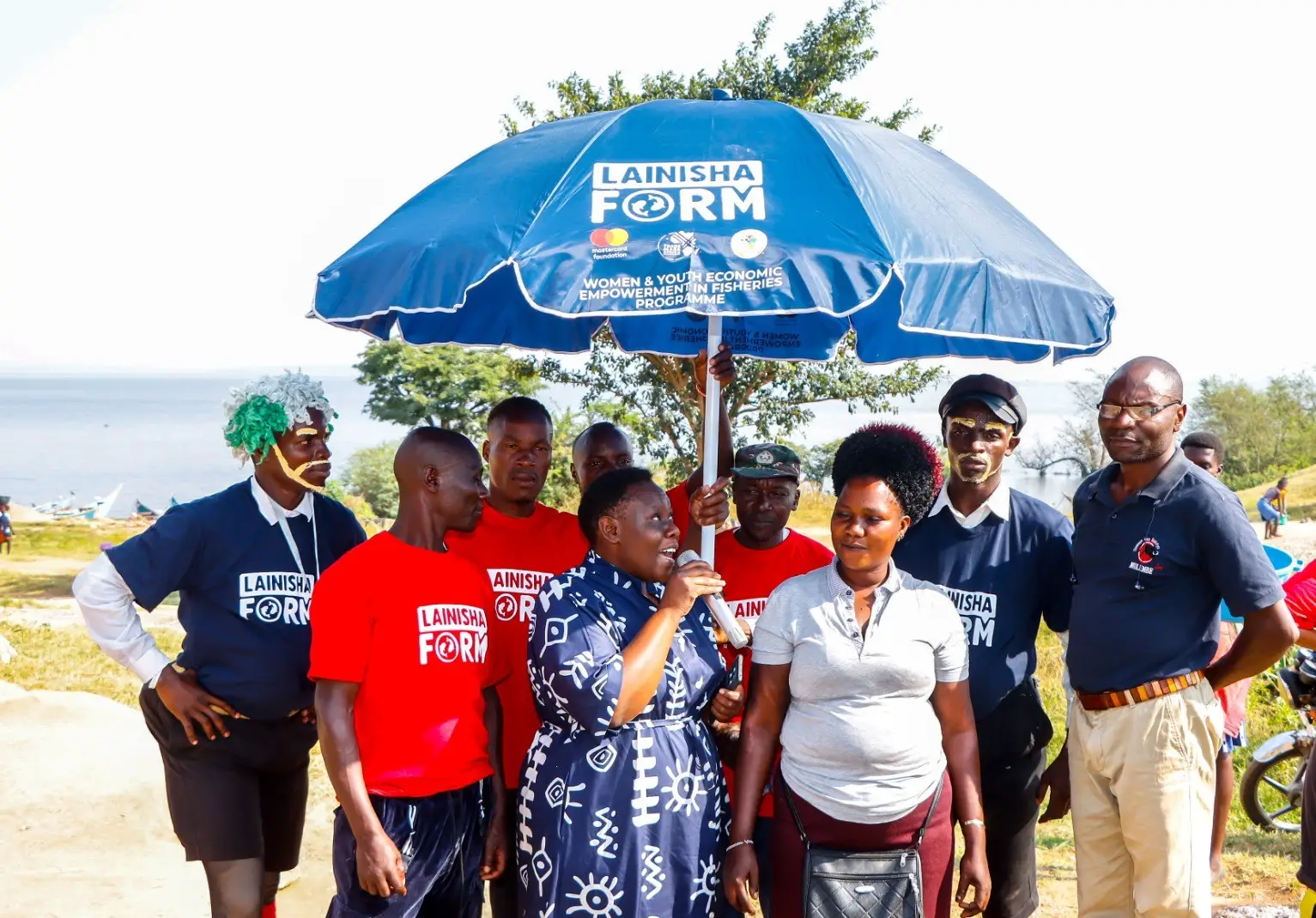
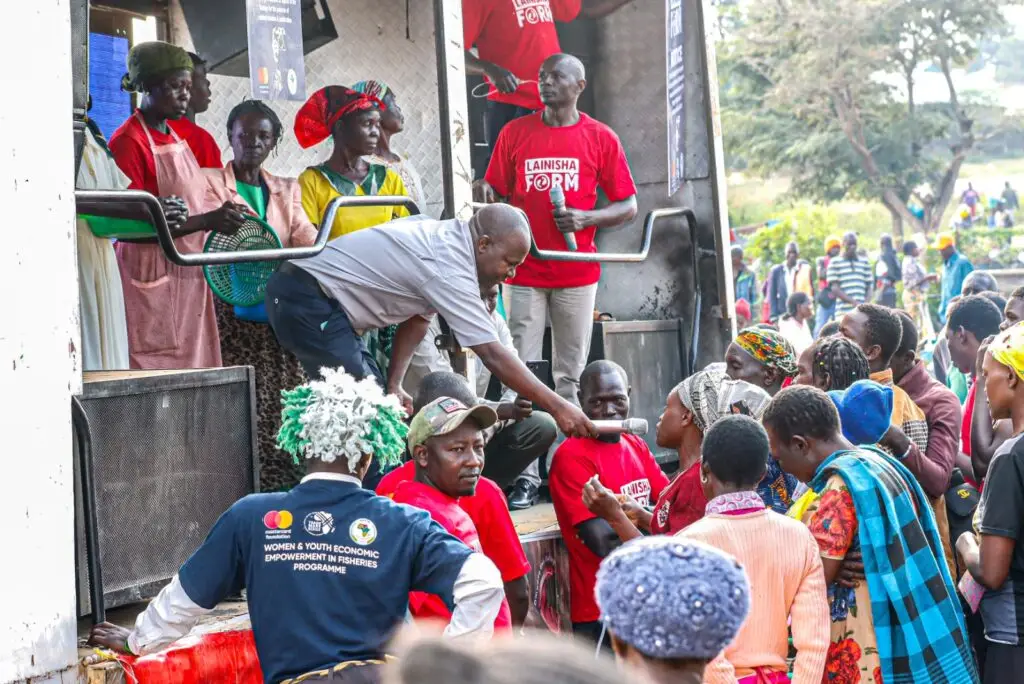
The community-driven initiative has taken its message to fishing beaches and markets, including Sindo and Sori in Homa Bay and Migori counties, and Busembe and Bumbe in Busia County. Through roadshows, community dialogues, educational skits, radio programmes and digital storytelling, the campaign is creating space for fisherwomen, fishermen, traders and young people to examine the practices that enable exploitation-and commit to changing them.
A pre-campaign assessment conducted in June 2026 among 144 respondents in Busia, Homa Bay, Kisumu and Migori counties found that 96.5% were aware of the “sex-for-fish” practice, commonly known as Jaboya in some communities and Obutamba in others. The findings indicate that the practice is not simply a matter of individual choice. It is sustained by economic hardship, limited access to capital, responsibility for children and other dependants, unequal power relations and, in some cases, coercion. Widows and young women were identified among those most exposed.
More than half of the fish traders surveyed reported encountering non-monetary demands when trying to secure fish. Nearly two-thirds of respondents had either personally experienced pressure or witnessed the practice, illustrating how deeply exploitation has become embedded in parts of the fish supply chain.
Although most respondents knew where they could report SEAH-primarily through Beach Management Units, only 27.8% considered the existing support and reporting structures effective. Fear of stigma, retaliation, loss of livelihoods, institutional mistrust and difficulty producing evidence were among the barriers discouraging people from speaking out.
These findings are shaping a campaign, which seeks to move beyond raising awareness to changing behaviour, strengthening accountability and addressing the economic conditions that expose women and young people to exploitation.
“Sexual exploitation must never be the price of accessing fish, markets or economic opportunity. Ending it requires communities to move from silent disapproval to collective action,” remarked Anataria Uwamariya, Director, Business Competitiveness at TMA. “Combining trusted local voices and sustained dialogue with realistic pathways to financial independence enhances the potential for the programme to tackle the harmful social norms and economic inequalities that enable abuse to persist. Our goal is to see a fisheries sector where dignity is protected, accountability is expected and everyone can trade and thrive safely.”
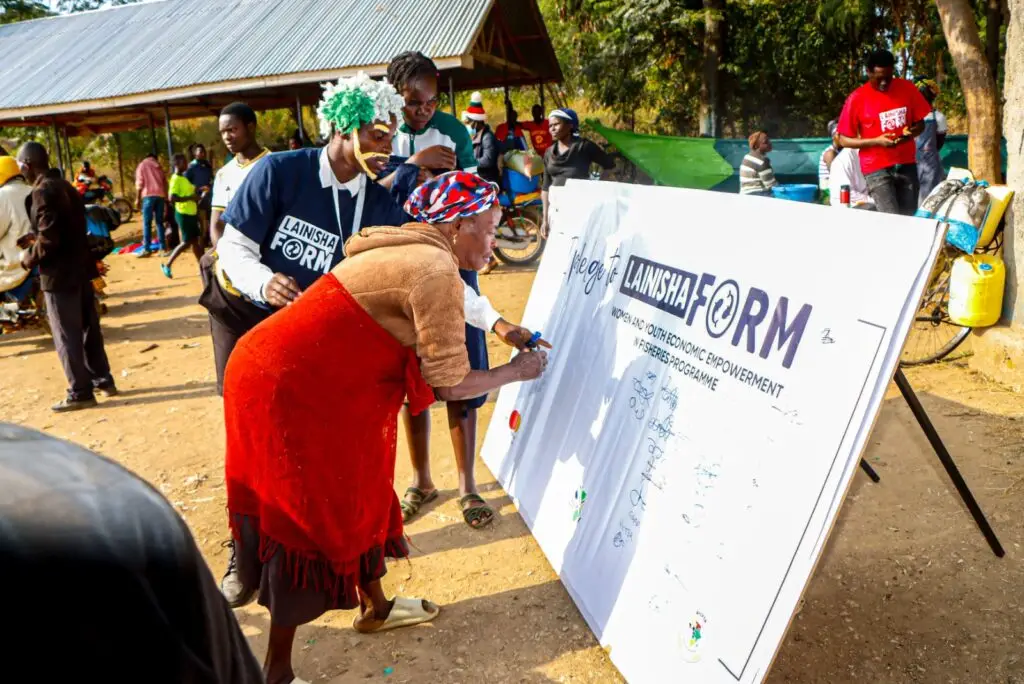
Each activation during the community outreach campaign session combines public dialogue with relatable educational content. Community members watch and discuss a locally produced and adapted skit, hear from trusted voices and sign a commitment wall pledging to prevent SEAH. Radio conversations extend the dialogue beyond the beaches and markets, reaching listeners across the Lake Victoria basin.
The campaign particularly seeks to engage the “movable middle”. This is the category of people who may not support exploitation but have remained silent or uncertain about how to intervene. Equipping them to challenge harmful behaviour, support those affected and promote respectful trade relationships could help turn passive observers into active allies.”
Economic empowerment is equally important. Respondents identified skills development, savings groups, access to finance and cooperative fish-buying arrangements among the most promising ways to reduce vulnerability. The campaign therefore connects behaviour change with discussions on financial literacy, business development and fair access to fish.
At Sindo Beach, community members highlighted an alternative model locally known as Achikni. Under this approach, women own boats, finance fishing operations and pay fishermen directly for their catch. Controlling productive assets and purchasing fish through transparent transactions gives women greater bargaining power, financial independence and dignity. Such community-led solutions demonstrate what becomes possible when women participate in the fish trade as asset owners, entrepreneurs and decision-makers-not as people expected to exchange their bodies for economic opportunity. The campaign will continue engaging fishing communities through grassroots activations, radio discussions and digital content, reinforcing the message that access to fish, markets and livelihoods must never depend on sexual exploitation.