

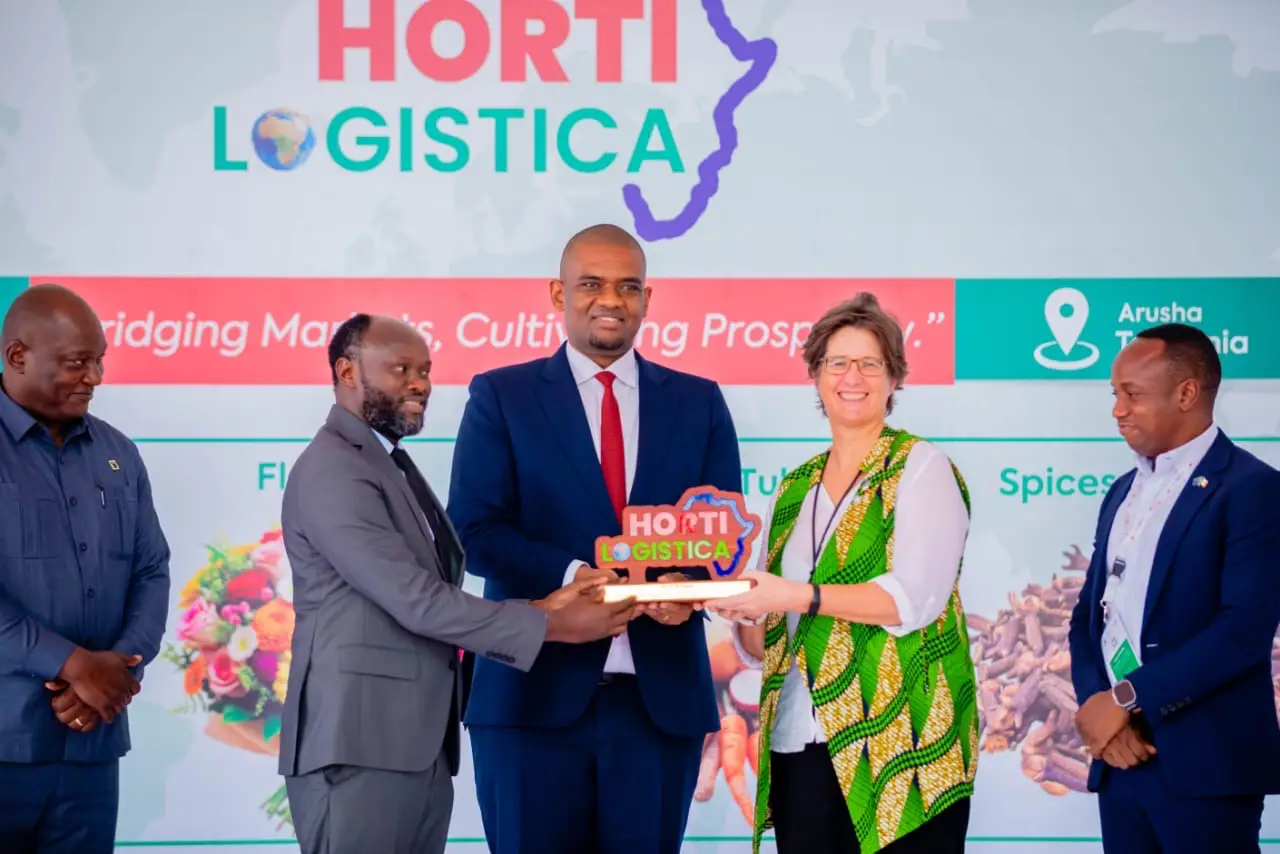
ARUSHA, Tanzania, 11 November 2026: African horticulture producers, exporters and agribusinesses gathered in Arusha to strengthen connections with buyers, investors, logistics providers and technology companies, and explore solutions to barriers constraining Africa’s fresh-produce trade. HortiLogistica Africa 2026 focused on addressing gaps in cold-chain infrastructure, logistics, market access and investment that limit the competitiveness of African horticulture businesses.
The exhibition, which commenced today and will conclude on 10 November 2026, is being held under the theme “Bridging Markets, Cultivating Prosperity”. It brings together public and private sector stakeholders to advance four priorities critical to horticultural competitiveness: market access and business matchmaking, logistics and cold-chain integration, technology and innovation transfer, and investment facilitation.
The Governments of Norway and Ireland funded TradeMark Africa’s (TMA) support to HortiLogistica Africa 2026, convened by the Tanzania Horticultural Association (TAHA) in partnership with the Ministry of Agriculture and other public and private sector institutions.
Speaking at the opening ceremony, Guest of Honour H.E. Deogratius John Ndejembi, Vice President of the United Republic of Tanzania, said: “Horticulture presents an important opportunity to connect production with markets, investment and economic opportunity. Strengthening collaboration between government and the private sector, while bringing markets and solutions closer to producers, is critical to building a more competitive horticulture sector capable of creating opportunities across the value chain.”
HortiLogistica Africa brought commercial opportunities closer to production centres by connecting producers and exporters with potential buyers, off-takers, financial institutions, logistics providers, investors and technology companies through structured business matchmaking.
For producers and exporters, securing buyers is only one part of accessing competitive markets. Efficient logistics, reliable cold-chain infrastructure, technology and timely market information are equally critical to preserving product quality, reducing post-harvest losses and meeting market requirements. The forum therefore linked market access opportunities with the infrastructure, investment and services needed to move fresh produce efficiently from farm to market.
Discussions examined practical solutions to constraints affecting fresh-produce trade, including cold-chain technology, airfreight efficiency, port logistics and post-harvest management. The forum also explored digital agriculture, seed genetics and tissue culture, connecting improvements in production and product quality with the logistics and market systems required for competitive trade.
Dr Jacqueline Mkindi, Chief Executive Officer, TAHA, said: “The opportunity for African horticulture is significant, but producers need stronger connections to buyers, finance, efficient logistics and technology if that potential is to translate into competitive businesses. HortiLogistica Africa brings these actors closer to where production happens, creating a platform for commercial relationships, investment conversations and practical solutions across the value chain.”
Speaking at the event, Ireland’s Deputy Head of Mission, Suzanne Keatinge, said: “Horticulture has an important role to play in Tanzania’s ambitions under Vision 2050, particularly in creating economic opportunities and connecting producers and businesses to growing markets. Ireland remains committed, alongside Norway and other partners, to supporting stronger trade systems, more efficient logistics and an enabling environment for private sector investment, so that trade contributes to inclusive and sustainable growth.”
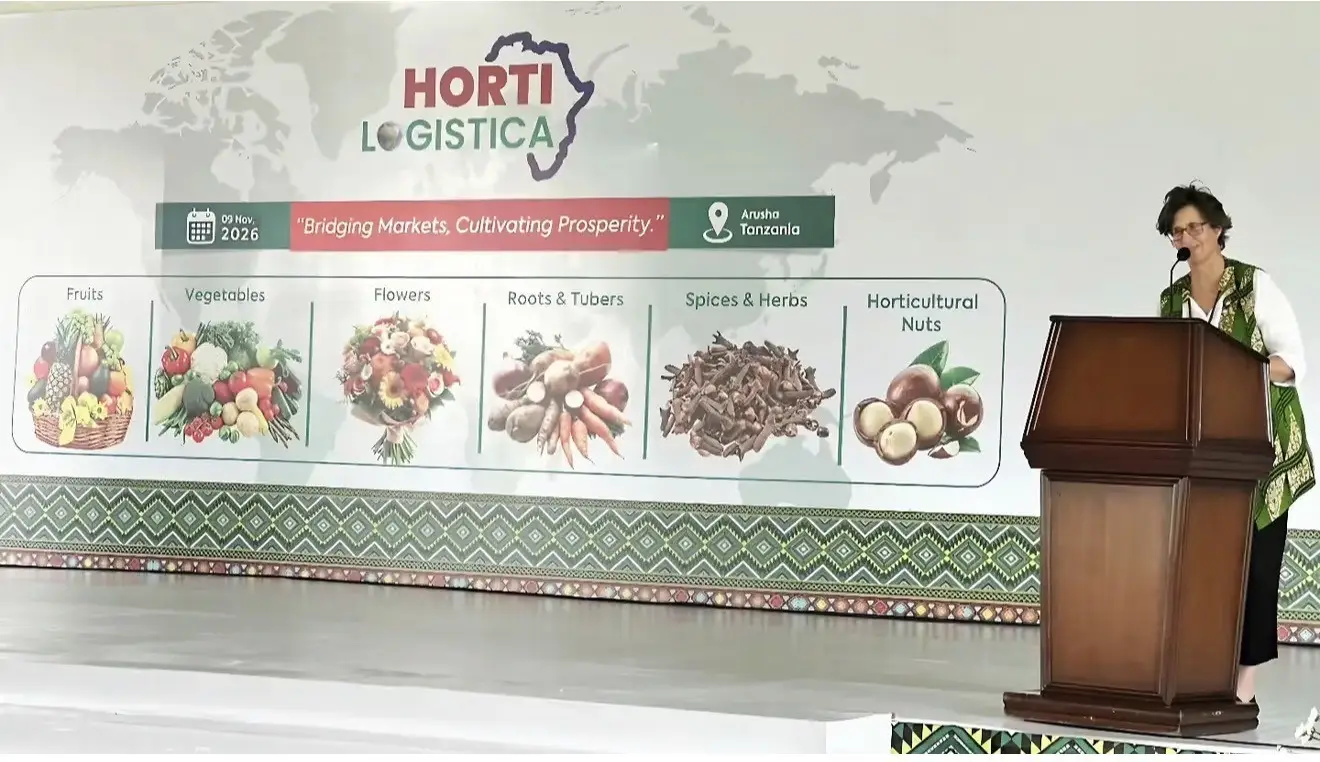
Elibariki Shammy, Country Director, Tanzania, TMA, said: “For producers and exporters, market opportunity must ultimately translate into viable trade. That requires efficient logistics, stronger market connections and access to the services and investment that help businesses compete. By bringing these actors together, HortiLogistica Africa provides an important platform for addressing constraints across the horticulture value chain and supporting more competitive and inclusive trade.”
TMA’s support builds on its partnership with TAHA to address trade barriers, expand market access and strengthen the competitiveness of Tanzania’s horticulture sector. Emerging results from the partnership indicate that more than 44,250 farmers, including 35% women and 33% youth, have been linked to domestic, regional and international markets, facilitating sales of approximately 133,000 metric tonnes of horticultural produce valued at $61.5m.
The programme extended beyond the exhibition floor through planned field visits across Tanzania’s Northern Agricultural Circuit, showcasing avocado production and cold-chain systems, climate-resilient crop breeding, coffee production and high-value berry logistics. The forum also sought to translate business connections into buyer-seller agreements, investment in cold-chain and logistics infrastructure, and sustained market opportunities that strengthen the competitiveness of African horticulture businesses.