Cross-border trade plays an important role in sustaining livelihoods and strengthening local economies across border communities. Yet many small-scale traders continue to face challenges related to access to finance, limited market information, complex border procedures, and low awareness of their trading rights.
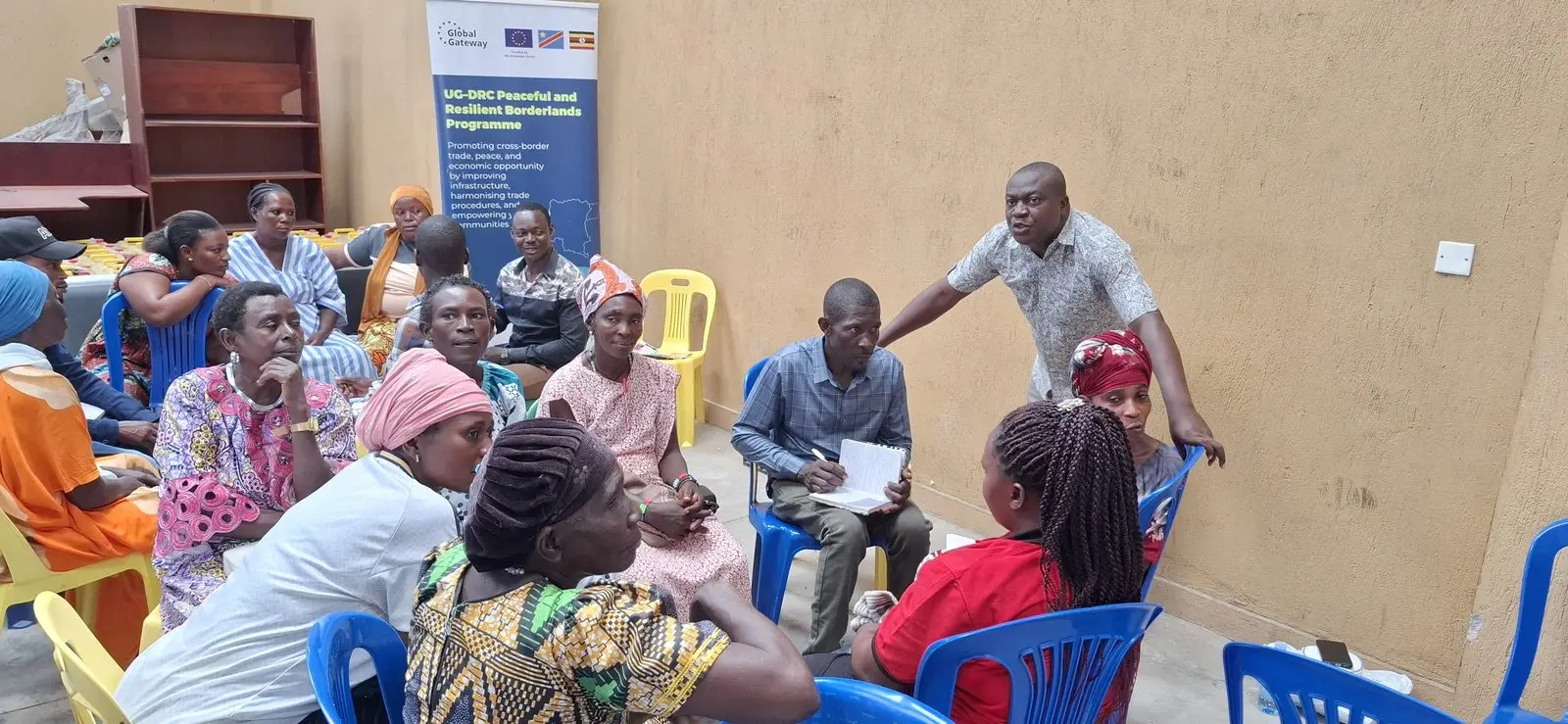
Through the European Union-fund for Uganda–DRC Borderlands Peaceful and Resilient Programme, BLEGSCOPE Uganda Limited is working with Cross-Border Traders (CBTs) across the Uganda Borders of Ntoroko, Goli, Paidha and Vurra to trade more confidently, safely and efficiently. This week, the team kicked off the capacity Building in Ntoroko and Goli which will be followed up with Paidha and Vurra.
The sessions aim to equip at least 800 Cross Border Traders (women, youth and persons with disabilities with the knowledge and practical skills to diversify their businesses, understand their rights and take advantage of formal cross-border trading opportunities, including the East African Community Simplified Trade Regime (EAC STR), which facilitates eligible consignments valued at $2,000 or less.
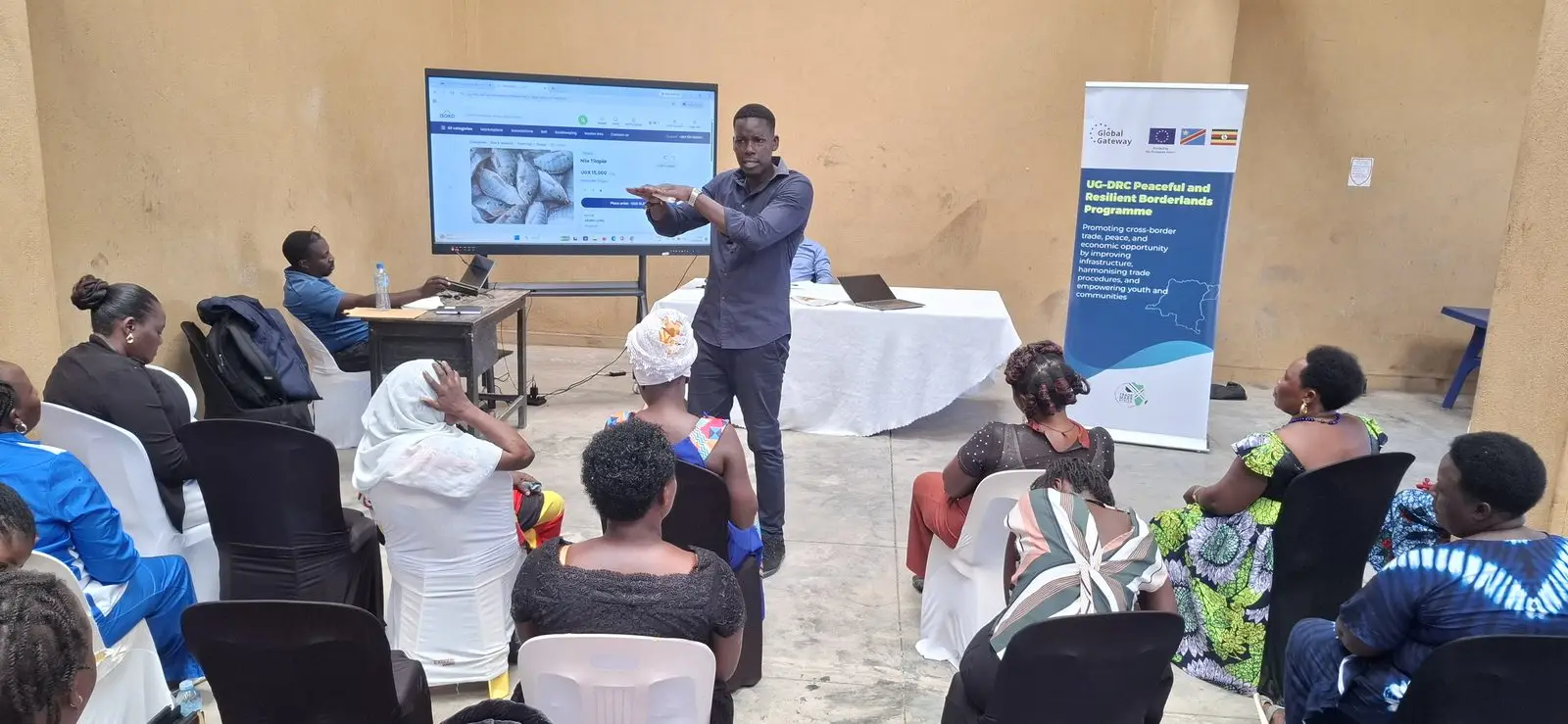
In addition, the Cross Boder Traders have been trained in business formalisation, financial literacy, entrepreneurship, regulatory compliance, digital skills, and inclusive trade. The training also introduced traders to digital platforms such as iSOKO, which provides access to market information, bookkeeping tools, and market linkages. The session encouraged traders face to face with the institutions they deal with at the border, including the Uganda Revenue Authority (URA) who provided guidance on border procedures and regulatory requirements and a representative from International Organization for Migration (IOM) who emphasised strengthening social cohesion within the borderland’s communities at the Uganda-DRC border.
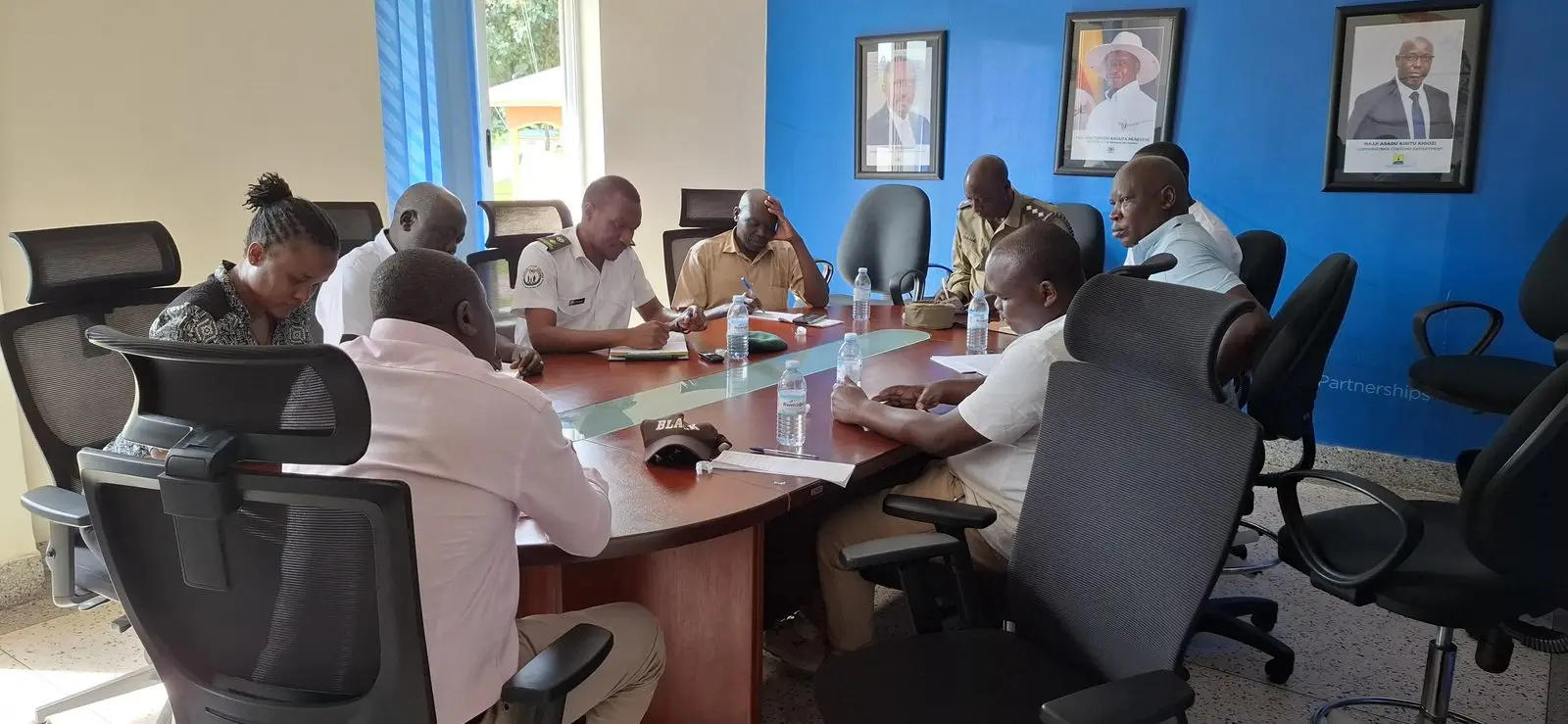
The capacity-building sessions for Cross-Border Traders (CBTs) in Goli concluded with a stakeholder meeting bringing together border agencies to discuss key issues and challenges raised by traders . The meeting provided an important platform for dialogue between traders and border agencies, enabling stakeholders to reflect on the concerns raised, identify practical solutions and strengthen collaboration towards addressing barriers to cross-border trade.