East Africa’s next trade dividend lies in connecting its systems
September 18, 2026
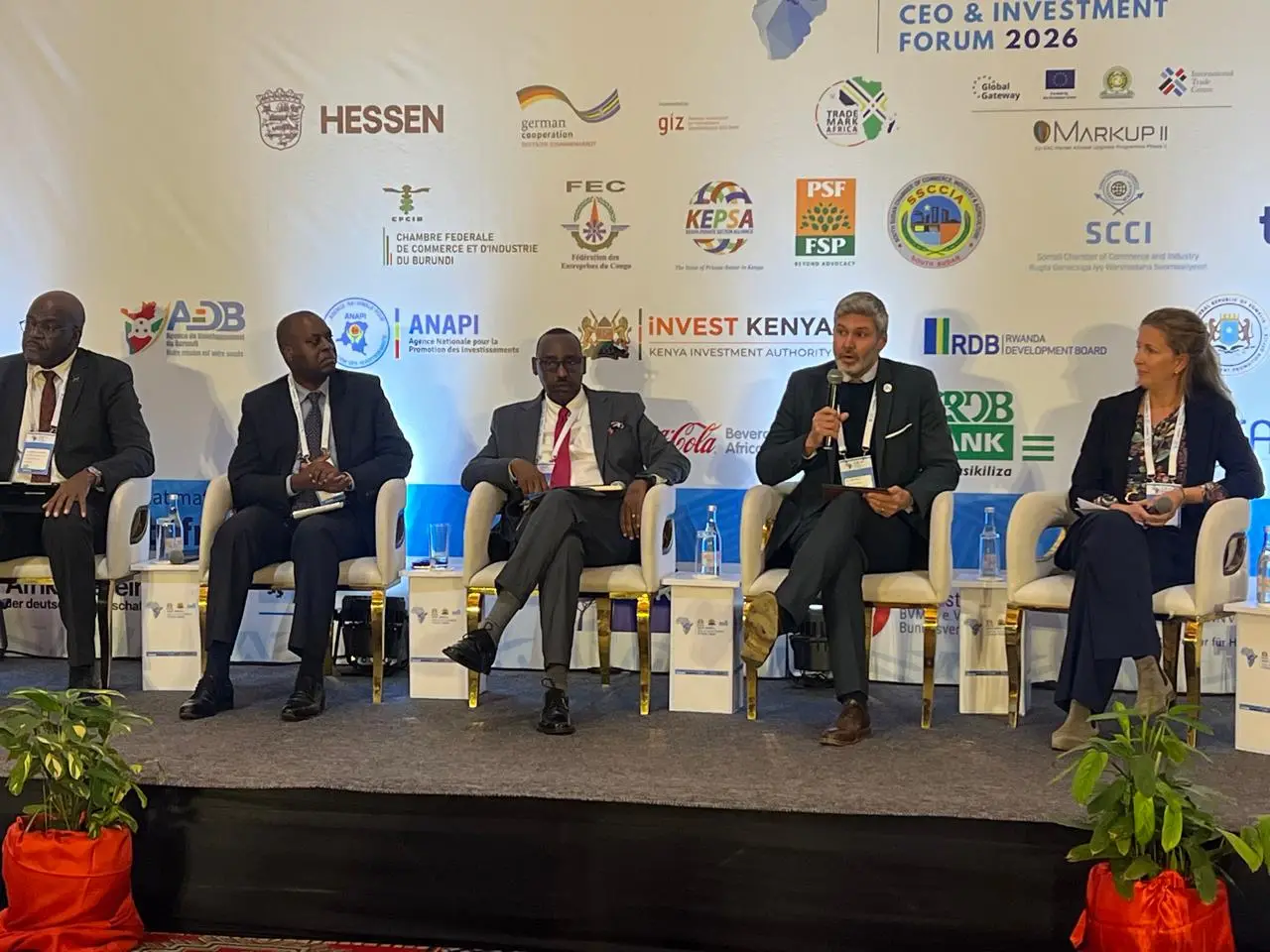
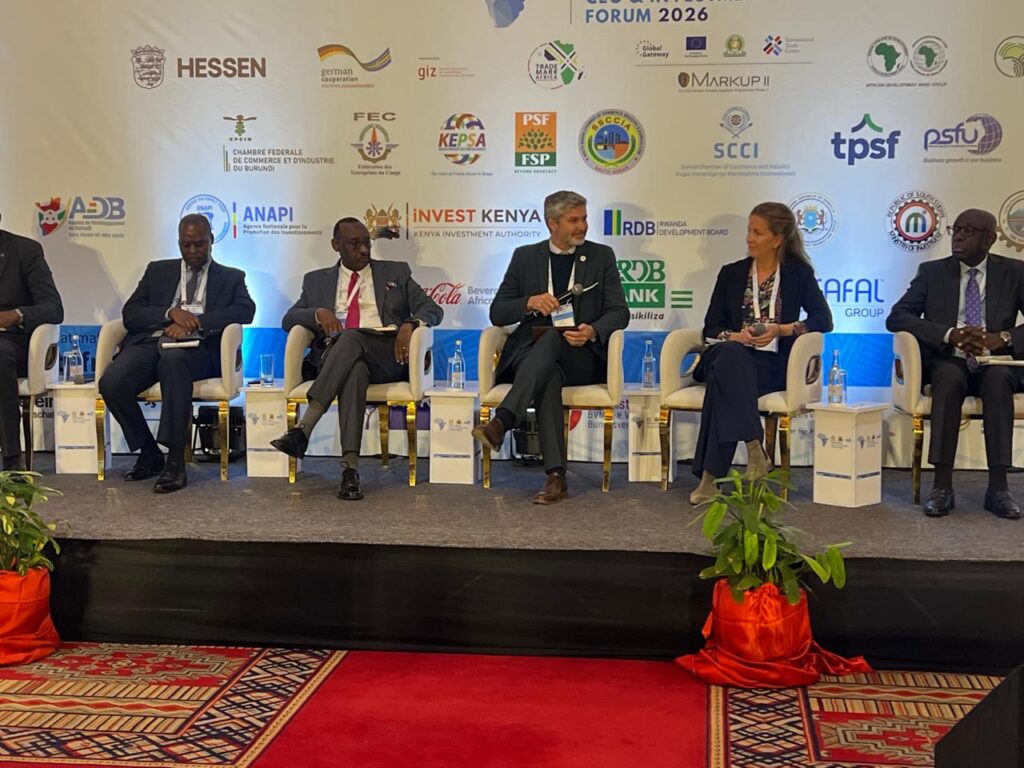
NAIROBI: East Africa must connect and scale its digital trade systems, regional transit arrangements and border reforms to cut the cost of moving goods and sustain regional growth, TradeMark Africa Chief Executive Officer David Beer told the EABC CEO and Investment Forum in Nairobi.
Beer said the region’s experience shows that infrastructure delivers stronger results when supported by digital platforms, streamlined processes, recognised standards and regional cooperation. The Uganda Electronic Single Window, for example, is estimated to generate $25 million in annual savings, while the Regional Electronic Cargo Tracking System along the Northern Corridor has reduced the time containers spend at Nairobi’s Inland Container Depot from 12 days to four days-an eight-day saving for traders.
“The real impact comes when infrastructure, digital systems, standards and processes work together. When you combine these interventions, you start to see transformational results,” Beer said.
Over the past decade, governments, businesses and development partners have invested in One-Stop Border Posts, electronic single-window systems, coordinated border management and regional cargo tracking. These reforms have reduced duplication and made trade faster, more predictable and less costly. However, rising trade volumes are placing additional pressure on transport corridors, border systems and logistics networks.
Beer said the region must now move beyond individual border interventions and connect these reforms across entire trade corridors.
“We have already delivered One-Stop Border Posts. The next step is creating systems that allow cargo to move across borders with even less friction, fewer stops and greater certainty. The technology exists. The opportunity is to scale it,” added Beer.
The EAC Customs Bond forms part of this work. Supported by electronic cargo tracking and connected customs systems, the bond provides a regional customs guarantee that Beer said is estimated to save businesses almost $0.5 billion by reducing the need for separate national guarantees as goods move through Partner States.
Replacing multiple national guarantees with one regionally recognised guarantee reduces duplication and releases working capital that businesses would otherwise tie up in cross-border cargo movements.
The bond’s impact will depend on consistent implementation across Partner States, integration between national customs platforms and sustained cooperation among governments, businesses, logistics providers and financial institutions. Digitalisation lowers trade costs only when it removes repeated procedures rather than shifting them onto separate electronic platforms.
East Africa’s trade infrastructure and digital systems are already producing measurable results. Connecting and scaling these reforms will give businesses greater certainty, strengthen regional value chains and improve the region’s competitiveness as a trade and investment destination.