
National Oversight Committee strengthens government and private-sector oversight of border reforms and Lobito Corridor priorities.
KINSHASA, Democratic Republic of the Congo, 22 October 2026: The 14th National Oversight Committee (NOC) of TradeMark Africa’s DRC Country Programme adopted the FY2026-27 Business Plan, targeting reductions of 15% each in average clearance time and cost per customs transaction at Mahagi, on the Uganda-DRC border, and a 10% increase in the trade value of 100 women-led businesses. Members also endorsed governance changes to strengthen national ownership and private-sector participation in programme oversight.
The plan combines investment in border infrastructure and digital systems with institutional reforms to reduce the time, cost and uncertainty of cross-border trade. For traders moving agricultural produce and other goods across the Uganda-DRC border, the measures aim to make border processes faster and more predictable, reducing delays that increase costs and erode the value of perishable goods.
At Mahagi, the targets are linked to the planned full operationalisation of the Goli-Mahagi One Stop Border Post. February 2026 baselines recorded an average clearance time of about 22 hours and an average cost of over $83 per customs transaction, excluding taxes. The Business Plan also targets tracking 5,000 cargo shipments through the expanded Electronic Cargo Tracking System.
The NOC chairmanship has transitioned from the Ministry of Finance to the Ministry of External Trade, with Finance remaining Co-Chair of the NOC Bureau. This strengthens the trade ministry’s leadership of the country portfolio while retaining Finance’s role in strategic oversight.
TradeMark Africa thanks the Ministry of Finance for its decade of stewardship of the NOC and looks forward to working with the Ministry of External Trade and Committee members to advance reforms that make trade faster, more predictable and more inclusive in the DRC.
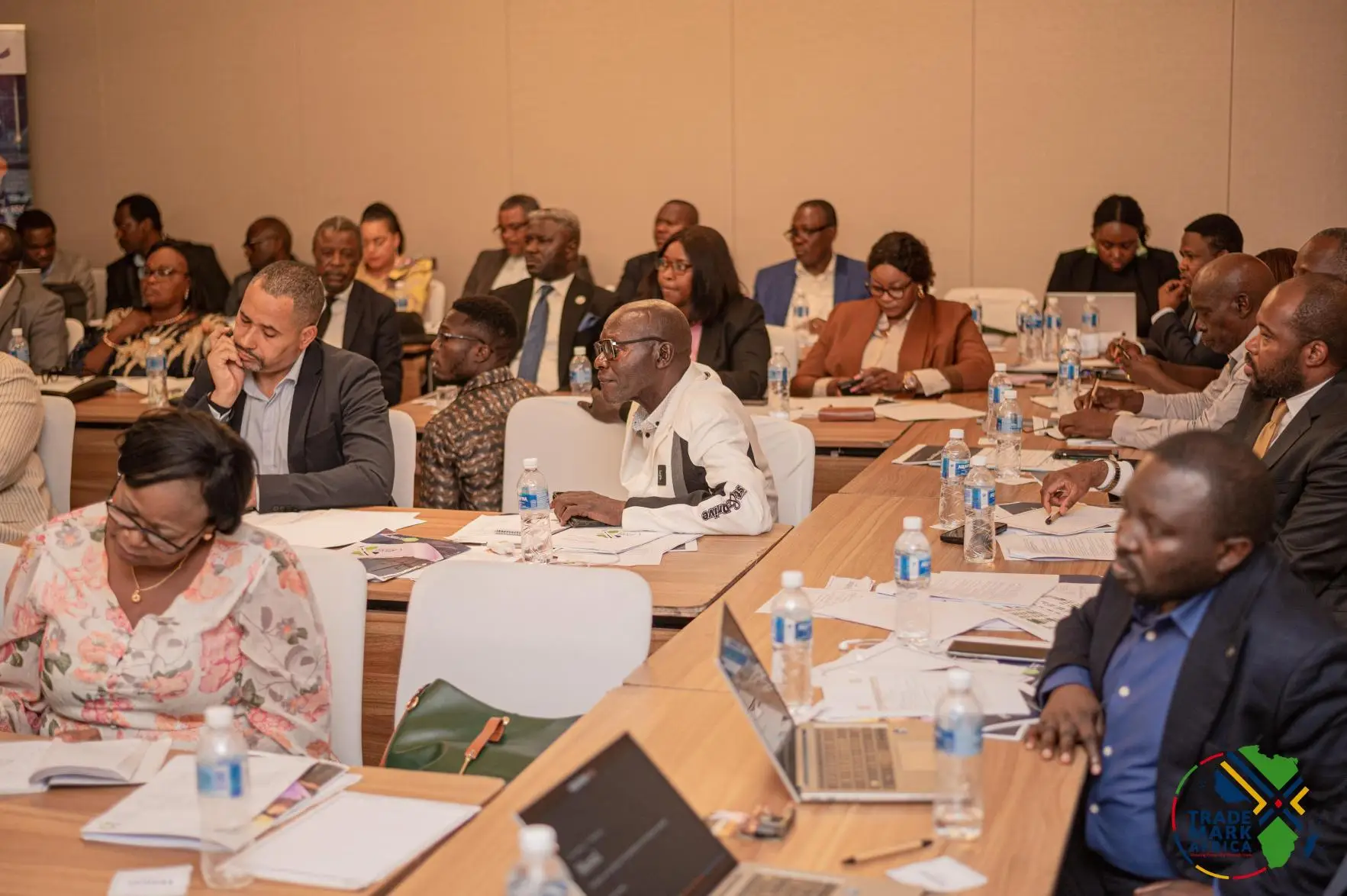
Members also endorsed updates to the 2017 NOC protocol and broader membership, including the ministries responsible for Transport and Mines, to support coordination on the Lobito Corridor. A dedicated Vice-Chair position for the private sector will give businesses a formal leadership role in overseeing reforms affecting trade operations and market access.
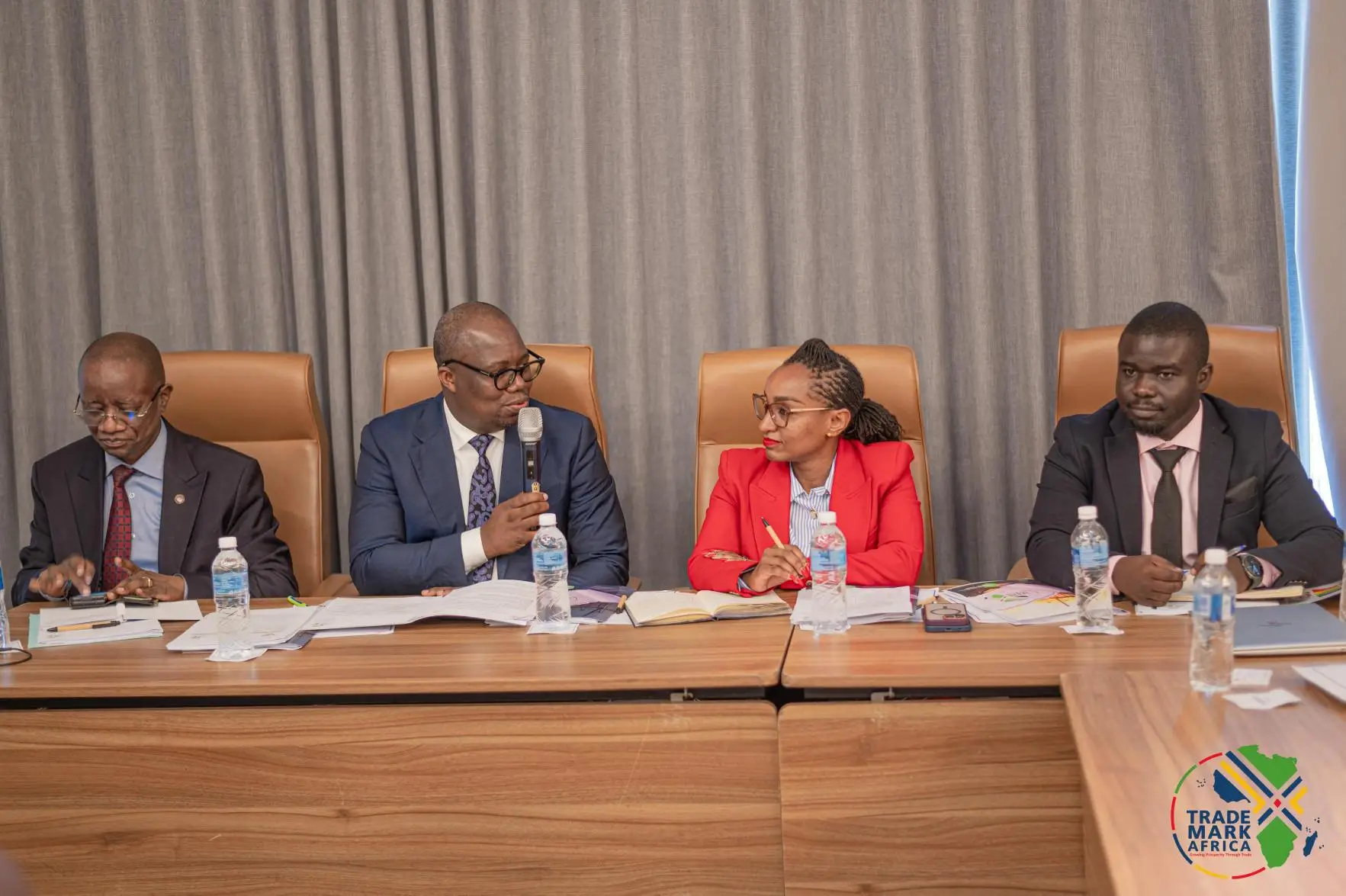
Speaking at the meeting on behalf of the incoming NOC Chairperson, Benezeth Msafiri, Chief of Staff at the Ministry of External Trade, said: “Our role is not only to review progress but to ensure that agreed priorities lead to results. Traders need to know what a crossing will cost, which requirements apply and when their goods can move. That requires institutions to resolve operational problems, coordinate effectively and remain accountable for the services businesses rely on, supported by capacity building and practical training for the officials delivering those services.”
The Committee reviewed programme achievements from the fourth quarter of FY2025-26 through the first quarter of FY2026-27 across the €10 million EU-funded Peaceful and Resilient Borderlands–Uganda-DRC Programme, the €6 million EU-funded Lobito Corridor Programme and the UK-funded DRC Trade Facilitation Project.
At Goli-Mahagi, the handover of the bridge site to the contractor advanced preparations to construct a new EU-funded bridge and rehabilitate the existing structure. The Plan targets approximately 70% completion of the new bridge and 10% completion of rehabilitation works on the existing bridge.
Along the Lobito Corridor, the plan prioritises reviews of critical-mineral import and export processes and barriers affecting DRC-Angola trade. Public-private dialogue and coordination between the two countries’ authorities will inform proposals to simplify procedures, with defined institutional responsibilities, timelines and monitoring arrangements.
“The test is whether these investments make trading more predictable and less costly. At Mahagi, we need to measure the time and cost of clearing goods. Along Lobito, the task is to simplify procedures and strengthen cooperation between institutions. In both cases, women traders and smaller businesses must be able to use the services and reach the markets these investments support,” said Lillian Mwai-Ndegwa, TMA’s Acting Regional Director for East and Central Africa.
Between February and July 2026, the Borderlands programme trained over 30 border officials in Aru, bringing the cumulative number trained across two cohorts to around 50. Joint Border Committee engagements also brought together Ugandan and Congolese border agencies to address operational and trade facilitation constraints.
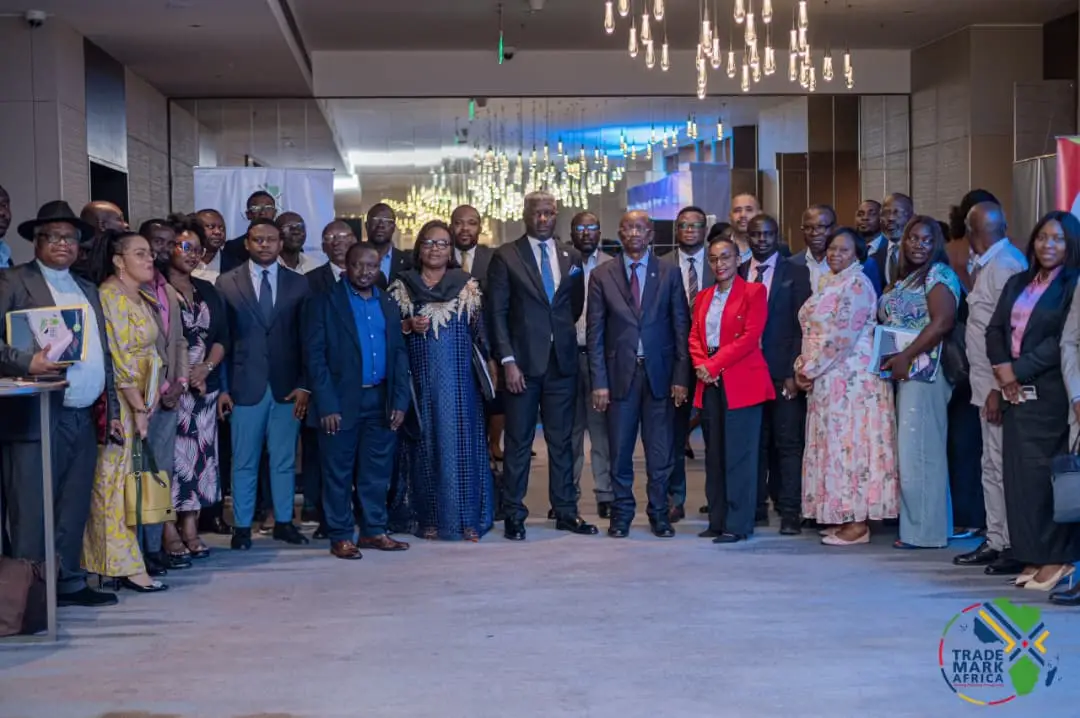
The Chiefs of Staff representing the Ministers of Finance and External Trade led the proceedings on their behalf. Participants included the European Union Delegation and the UK Foreign, Commonwealth & Development Office (FCDO). Members were also introduced to Billy Baraka Mugisha as TMA’s new Country Director for the DRC.