
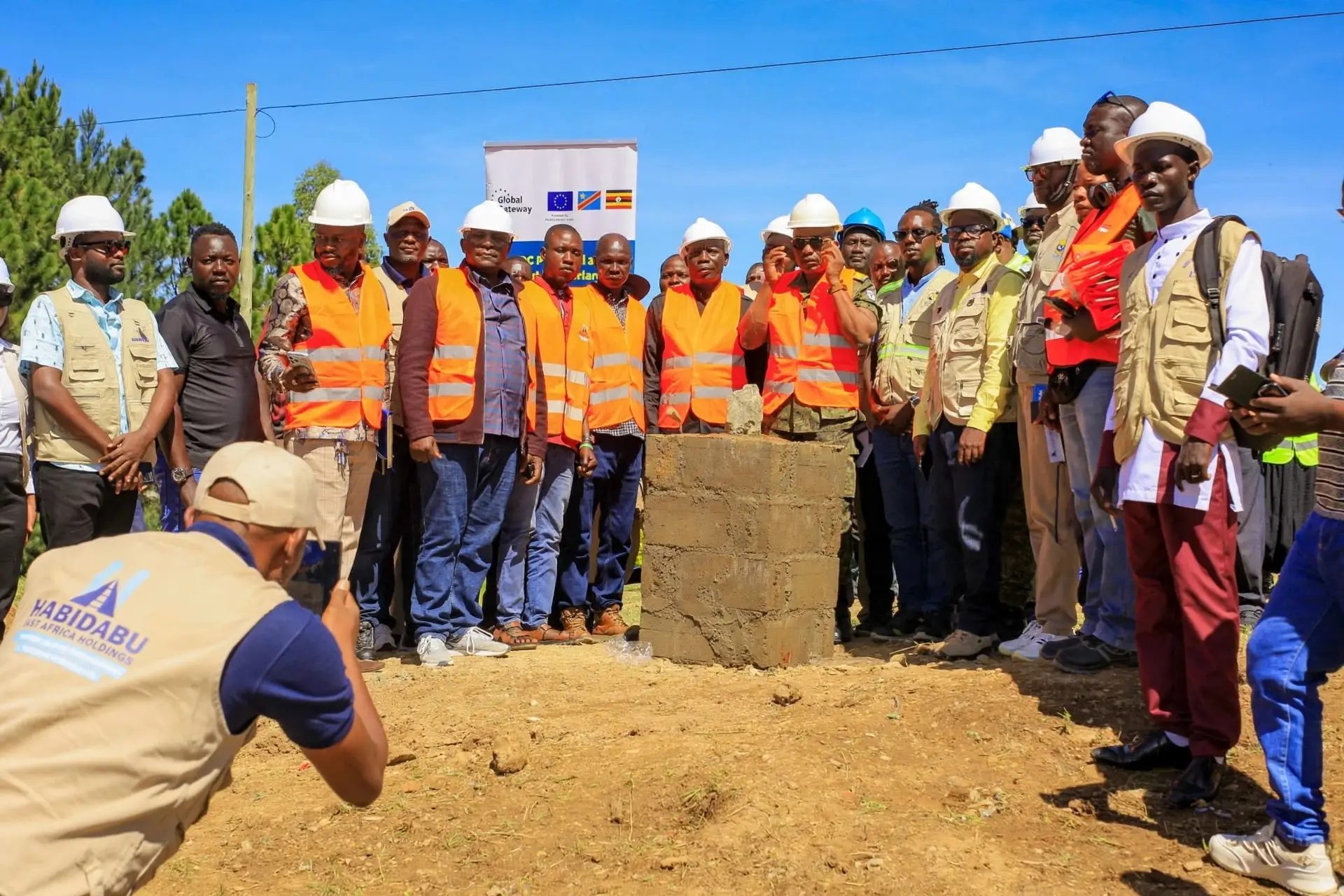
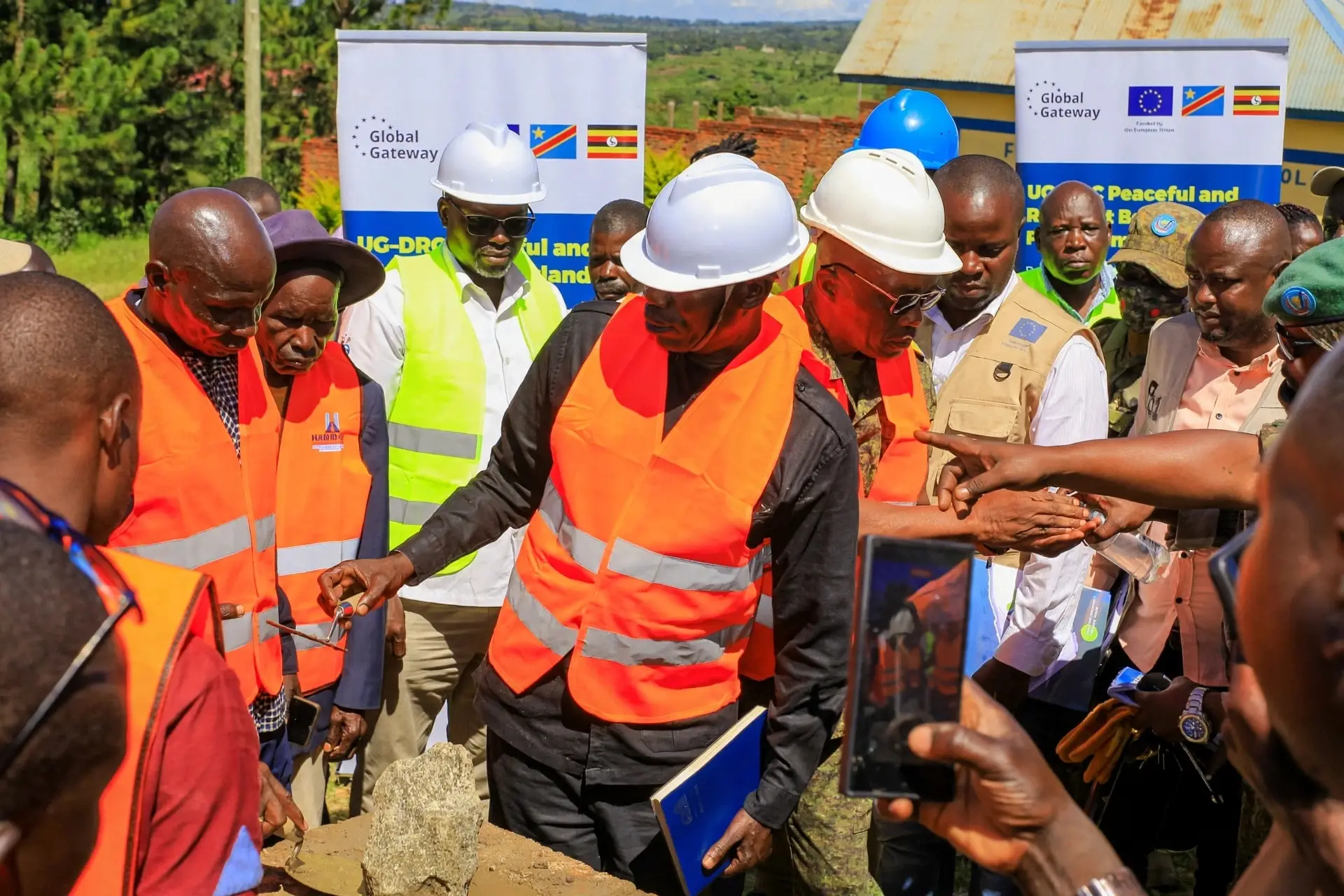
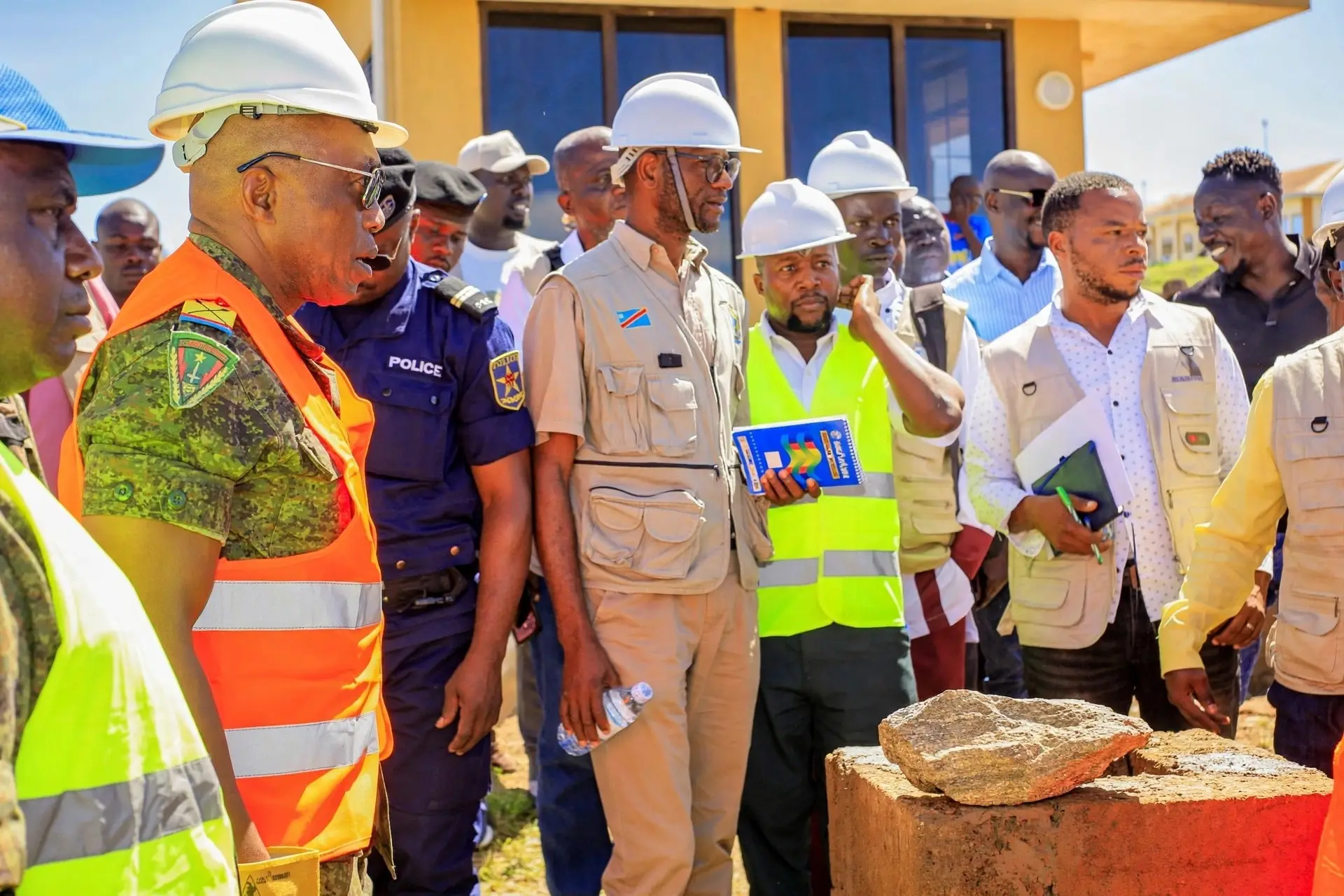
MAHAGI-GOLI BORDER, 7 October 2026: Construction of a new bridge at the Mahagi-Goli border between the Democratic Republic of Congo (DRC) and Uganda is set to begin following the handover of the project site to the contractor. Once completed, the additional crossing is expected to improve connectivity and facilitate the movement of people and goods between the two countries.
The new bridge is funded by the European Union (EU) through the DRC-Uganda Cross-Border Programme, Borderlands II: Peaceful and Resilient Border Areas, jointly implemented by TradeMark Africa (TMA) and the International Organization for Migration (IOM), in cooperation with government authorities in both countries.
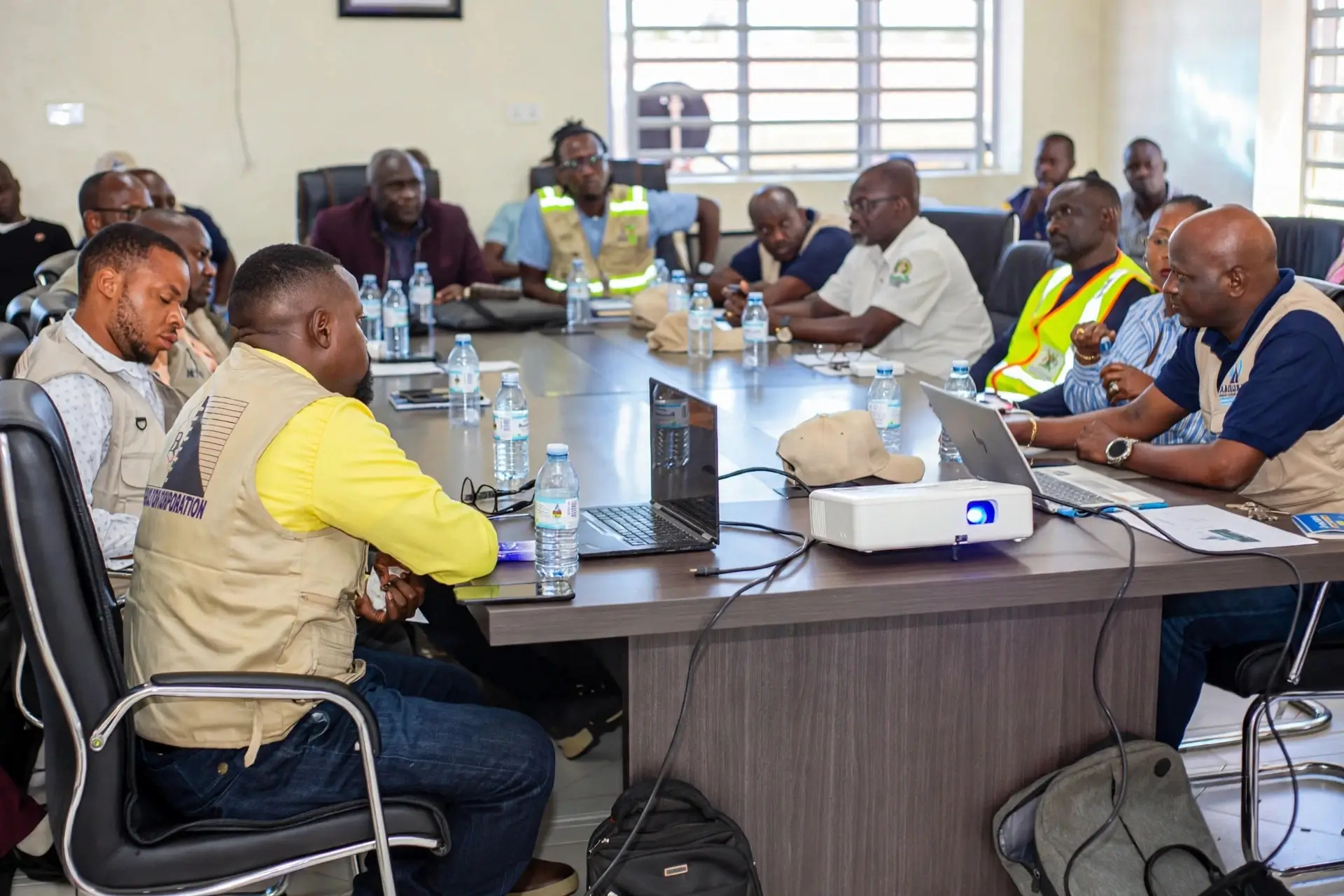
The bridge will stand alongside the existing structure at the Mahagi-Goli One Stop Border Post (OSBP). Once operational, it is intended to carry traffic while the existing bridge undergoes rehabilitation, keeping people and goods moving during the works. After rehabilitation, inbound and outbound traffic will use separate bridges, supporting smoother traffic flow and more efficient border operations.
The investment builds on earlier improvements at Mahagi-Goli, including administrative facilities, truck-parking infrastructure, water and sanitation facilities and public lighting. An independent evaluation of TMA’s transport infrastructure portfolio, published in 2025, found that border-crossing time at Goli-Mahagi had fallen by 58% following earlier interventions. This finding predates the new bridge project.
For traders, transporters and surrounding communities, the investment is expected to support more reliable access to markets and essential services.
Billy Baraka Mugisha, TMA’s Country Director for the DRC, said: “Mahagi-Goli is an important trade gateway between the DRC and Uganda. Earlier investments have demonstrated what improved border infrastructure and more efficient processes can achieve. The new bridge builds on this progress by addressing a critical infrastructure constraint and supporting continuity in the movement of people and goods. Through the European Union’s support and partnership with the governments of the DRC and Uganda, we are strengthening the infrastructure and systems needed to make cross-border trade more efficient and deepen regional connectivity.”
The project brings together institutions responsible for roads, customs, immigration and local administration. In the DRC, these include the Ituri Provincial Government, the Directorate General of Customs and Excise, the Directorate General of Migration, the Office des Routes and the Mahagi Territory Administration. Participating Ugandan institutions include the Ministry of Works and Transport, the Ministry of East African Community Affairs, the Uganda Revenue Authority and immigration authorities.
The wider Borderlands II programme combines investment in infrastructure with improvements in border management and institutional coordination between Uganda and the DRC. It seeks to make cross-border trade more efficient and predictable while strengthening regional integration.