
How EU-Africa partnership is unlocking sustainable trade in Africa [Op-Ed]
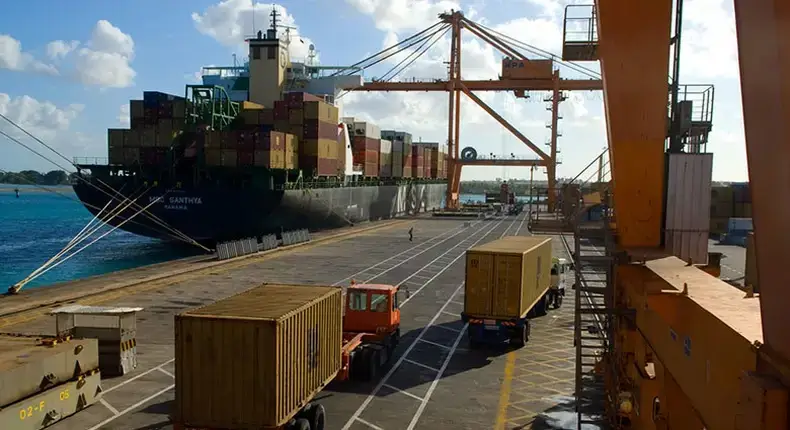
In the line of my work for an aid-for-trade organisation, I recently traversed key trade corridors across the African continent to assess their current state of play. These include Abidjan-Lagos in the West, Mombasa-Goma in the East and Durban-Lubumbashi to the South. Travelling mainly by road along these crucial trade routes revealed the vast trade […]
Global Pandemic Reaffirms TMEA’s Relevance & Impact

2021 marked an important watershed moment for global trade, as the effects of the COVID-19 pandemic started to subside, and countries began to post stronger economic growth. According to the United Nations Conference on Trade and Development (UNCTAD), global trade touched a high of $28 trillion, 11% growth from pre-pandemic levels. Trade in services is […]
Time To Focus Beyond COVID-19

The better part of the last two financial years have been marked by unprecedented global focus on COVID-19, the global pandemic that took the World by surprise. The numerous natural, economic, and intellectual resources that have been spent to contain the spread of the rapidly-mutating enigmatic disease, and to eradicate it, have been worthwhile. In […]
Combating COVID-19 and Supporting Recovery
The COVID-19 pandemic has shaken the globe and disrupted the lives of billions of people in every corner of the world. Eastern Africa has not been left unscathed. The pandemic has affected trade and economic activity in a fundamental way. Whereas many have weighed the impact of COVID-19 on health terms, we in trade facilitation […]
Finland Committed to Doubling Trade with Africa Over Next Decade
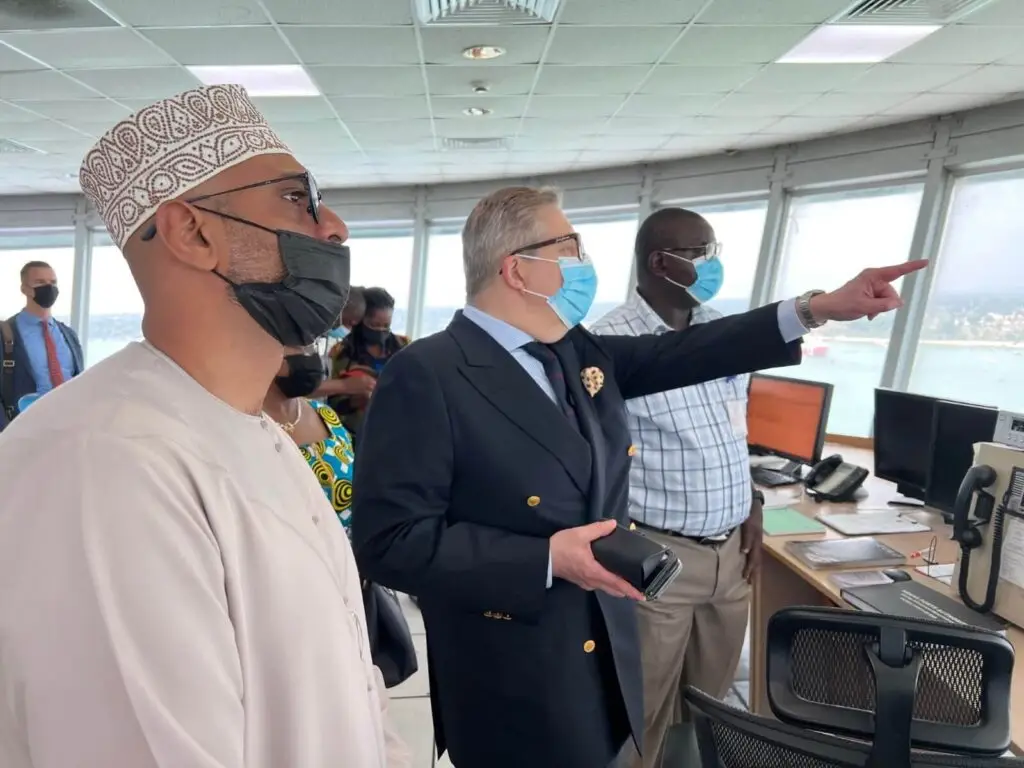
Finland Ambassador to Kenya, H.E. Pirkka Tapiola says his country is committed to doubling trade with Africa over the next decade. The ambassador spoke while touring the Port of Mombasa on Friday. The envoy commended the Government of Kenya and Development Partners for supporting Port Reforms and Modernisation Programme over the last decade that has […]
East African women traders: ‘Celebrating the past, planning for the future’
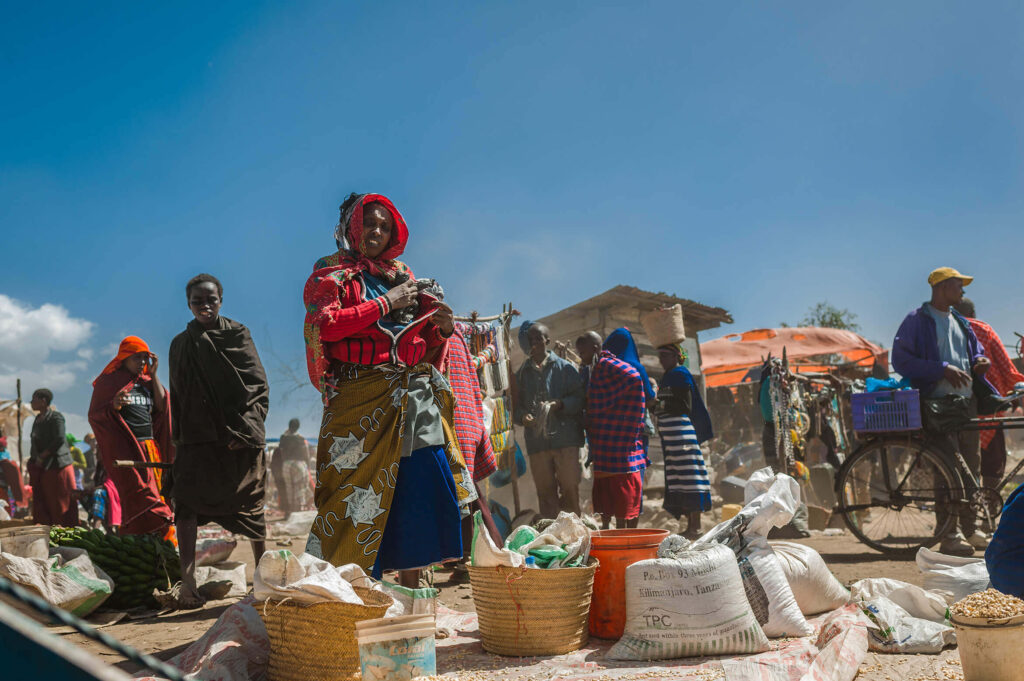
COVID-19 has hit women disproportionately hard across East Africa, especially those working in the informal sector. Lessons must be learnt to prevent this from happening again. Women in East Africa can look back over recent history with a sense of struggle and accomplishment, of regression and progression. Women’s activism was ingrained in many of the […]
Making Trade Green in Kenya & Beyond

Trade and economic growth impact the environment and societies involved either positively through increased incomes, livelihood, and capacity for improved environmental management or negatively through increased industrial pollution and degradation of the environment and natural resources. At the same time environmental hazards and climate change could negatively impact trade by disrupting supply, transport, and distribution […]
Strengthen Corridors and Countries to Build Climate Resilience
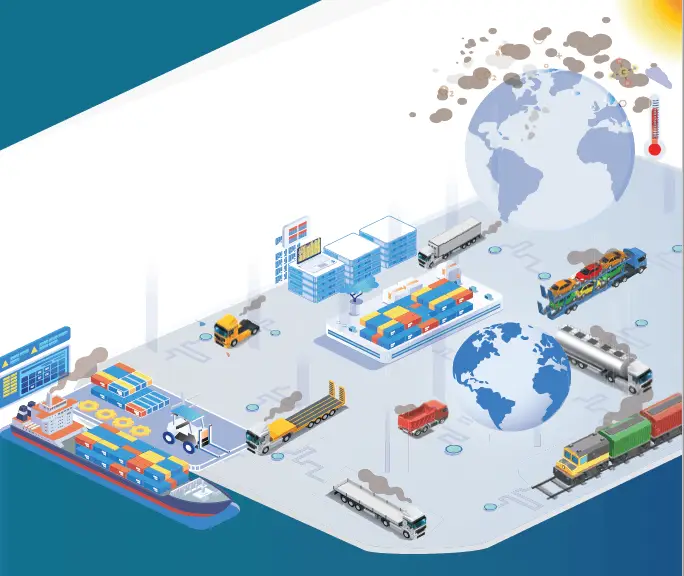
As Eastern African economies continue to grow rapidly, so do the respective transport and logistics sectors, and the associated Greenhouse Gas (GHG) emissions and pollution. As we know, increased traffic and pollution threaten safety, health and life of road transport users and citizens. The situation is further worsened by inefficiencies which exist in the regions’ […]
EAC Endeavours To Improve: Access, Quality And Cost Of Medicines

If you were a manufacturer of medical supplies with market openings in multiple East African Community (EAC) Partner States, you would have to wait at least two weeks, to register the products in each of the countries. Furthermore, you would discover similarities in some of the registration documents, thus having to enter the same information […]
The UK Prime Minister’s Trade Envoy Theo Clarke Virtually Visits Projects Funded by the UK in Kenya
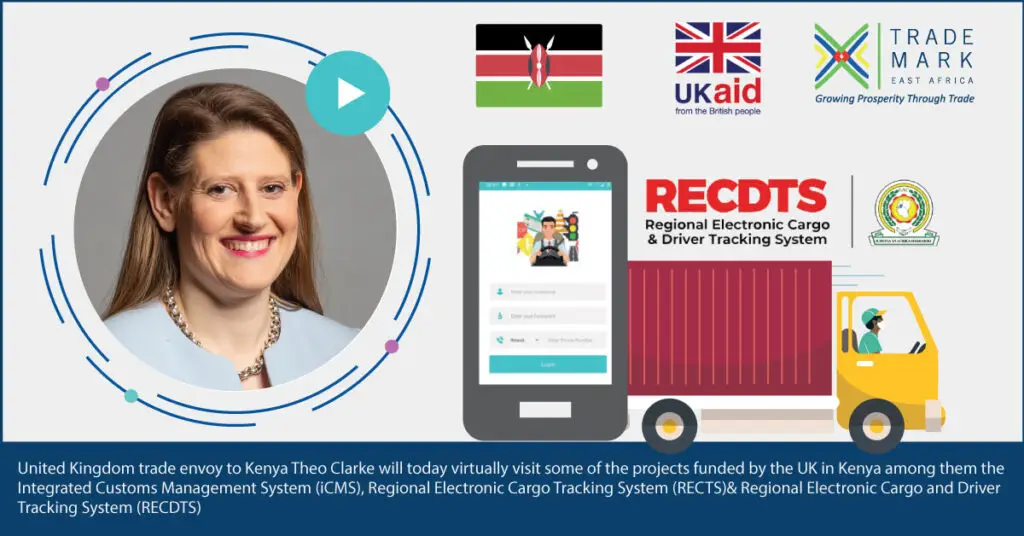
26th February, Nairobi – United Kingdom (UK) Trade Envoy to Kenya Theo Clarke has today virtually visited projects funded by UK government in Kenya among them the Integrated Customs Management System (iCMS), Regional Electronic Cargo Tracking System (RECTS) and Regional Electronic Cargo and Driver Tracking System (RECTDS) implemented in partnership with the Kenya Revenue Authority […]