Africa’s tea sector looks beyond volume as digital transformation opens new pathways to value
September 18, 2026
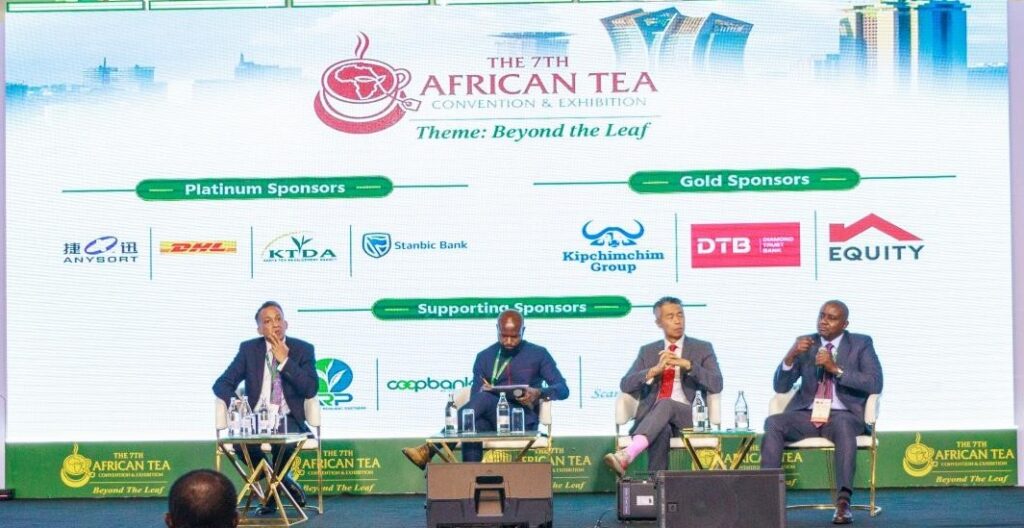
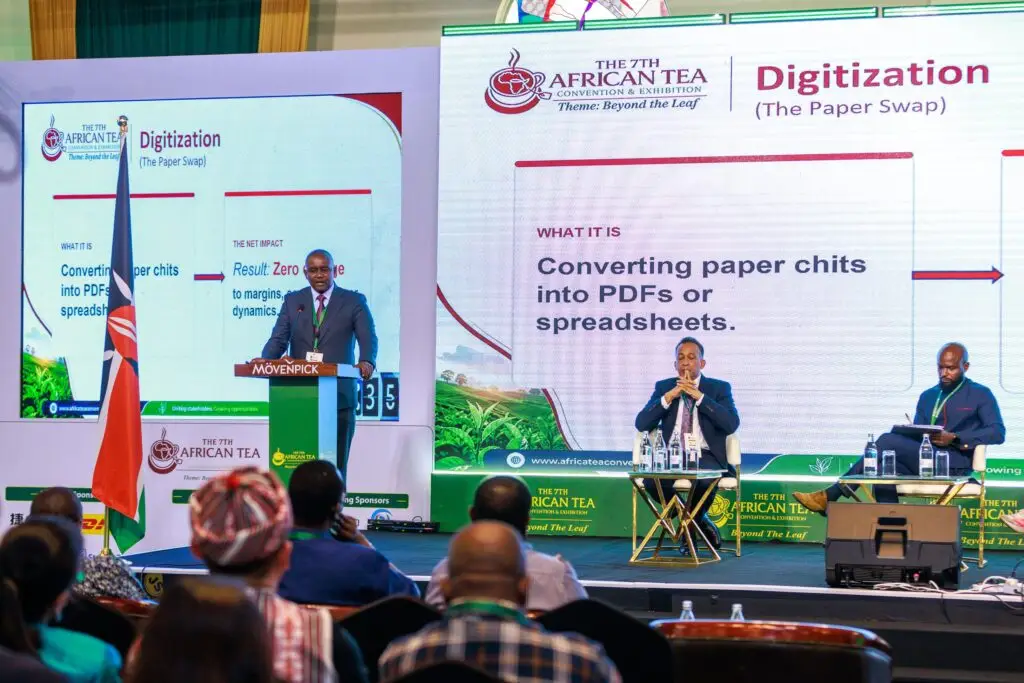
NAIROBI, Kenya – Africa produces and exports large volumes of tea, but output alone will not secure the industry’s future. Its next opportunity lies in using technology, data and market intelligence to earn more from what it already produces. That was the central message from the Digital Transformation session at the 7th African Tea Convention in Nairobi. Industry leaders examined how technology could improve market access, strengthen commercial decisions and create greater value across the tea supply chain. The discussion reflected the convention’s theme, “Beyond the Leaf: From Commodity to Control”, which called on tea-producing countries to exercise greater influence over how their products are traded, marketed and valued.
James Suranga Perera, Executive Director of the International Tea Committee, noted that data highlights the trend that a kilo is no longer just a kilo. While kilograms capture raw weight, the financial value is captured elsewhere through product and market architecture.
According to recent ITC analysis of 2025 export files, Kenya moved far more tea than its global competitors, reaching 652.8 million kg in exports. In comparison, India exported 270.8 million kg and Sri Lanka exported 257.2 million kg. Yet, despite exporting a higher volume than Sri Lanka, Kenya earned less overall revenue. Sri Lanka captured $1.5 billion in total export value compared to Kenya’s $1.44 billion, while India captured $0.92 billion.
This discrepancy is driven by the unit price. Sri Lankan tea fetched an average of $5.83 per kg, compared to the $2.20per kg average captured by Kenyan tea. India tracked in the middle at $3.40 per kg. This data underscores that changing market structures directly impacts earnings. Perera said tea-producing countries could improve their returns by targeting premium markets and developing higher-value products. Reliable market information, he added, could help producers, traders and exporters understand demand, identify emerging opportunities and make better commercial decisions.
The International Tea Committee is developing an intelligent statistics and information portal to improve access to current industry data and market insights. Technology is also changing how tea quality is assessed and communicated to buyers.
Alan Lai, Founder and Chief Executive Officer of ProfilePrint Singapore, demonstrated how artificial intelligence and molecular profiling can analyse tea samples, create digital quality profiles and share the results with buyers. Lai said consistent and objective quality information could reduce inefficiencies, give buyers and suppliers a common basis for assessing tea and build confidence in purchasing decisions. The technology could also reduce reliance on physical samples and help producers position their products more effectively.
But isolated digital tools will have limited effect.
Dr Moses Thiga, Director of ICT, Egerton University and Founder, Savannah Digital Research Institute (SDRI) argued that the sector needed integrated systems connecting farmers, factories, brokers, regulators and buyers. Systems that can exchange information could improve traceability, strengthen sustainability reporting and help businesses respond to changing market requirements. Such integration could also improve transparency and support compliance with emerging sustainability standards. The value of digitalisation, Thiga said, would come from connecting the different actors and processes across the tea supply chain.
For TradeMark Africa, the discussion reflected its wider efforts to improve the efficiency, transparency and competitiveness of regional markets through digital trade systems. Erick Sirali, TradeMark Africa’s Director of Digital Trade Systems, highlighted the organisation’s support to the East Africa Tea Trade Association in moving the regional tea auction from a physical trading floor to an electronic platform. He said the transition had modernised an important regional trading mechanism, widened access and generated market and transaction data that could support better business decisions. It also showed how digital infrastructure could improve efficiency and transparency in the tea trade.
The next task, Sirali said, was to turn that data into useful market intelligence. This would involve using digital infrastructure to strengthen market analysis, support predictive tools and identify new sources of value across the tea industry. He argued that digital transformation should be judged by its results, not by the number of systems introduced. The test was whether farmers received better information, factories responded faster to demand, traders made stronger commercial decisions, and buyers gained confidence in the products they purchased.
As tea markets become more data-driven, competitiveness will depend on more than production. Producers will also need to understand consumer demand, demonstrate quality, improve traceability and respond quickly to commercial opportunities. Africa already has the capacity to compete as a major tea producer. Its next phase of growth will depend on how effectively it uses digital infrastructure, data and market intelligence to reach premium markets and secure better returns. The goal is not simply to export more tea. It is to capture more value from every leaf and ensure that a greater share reaches farmers, processors, traders and exporters.