
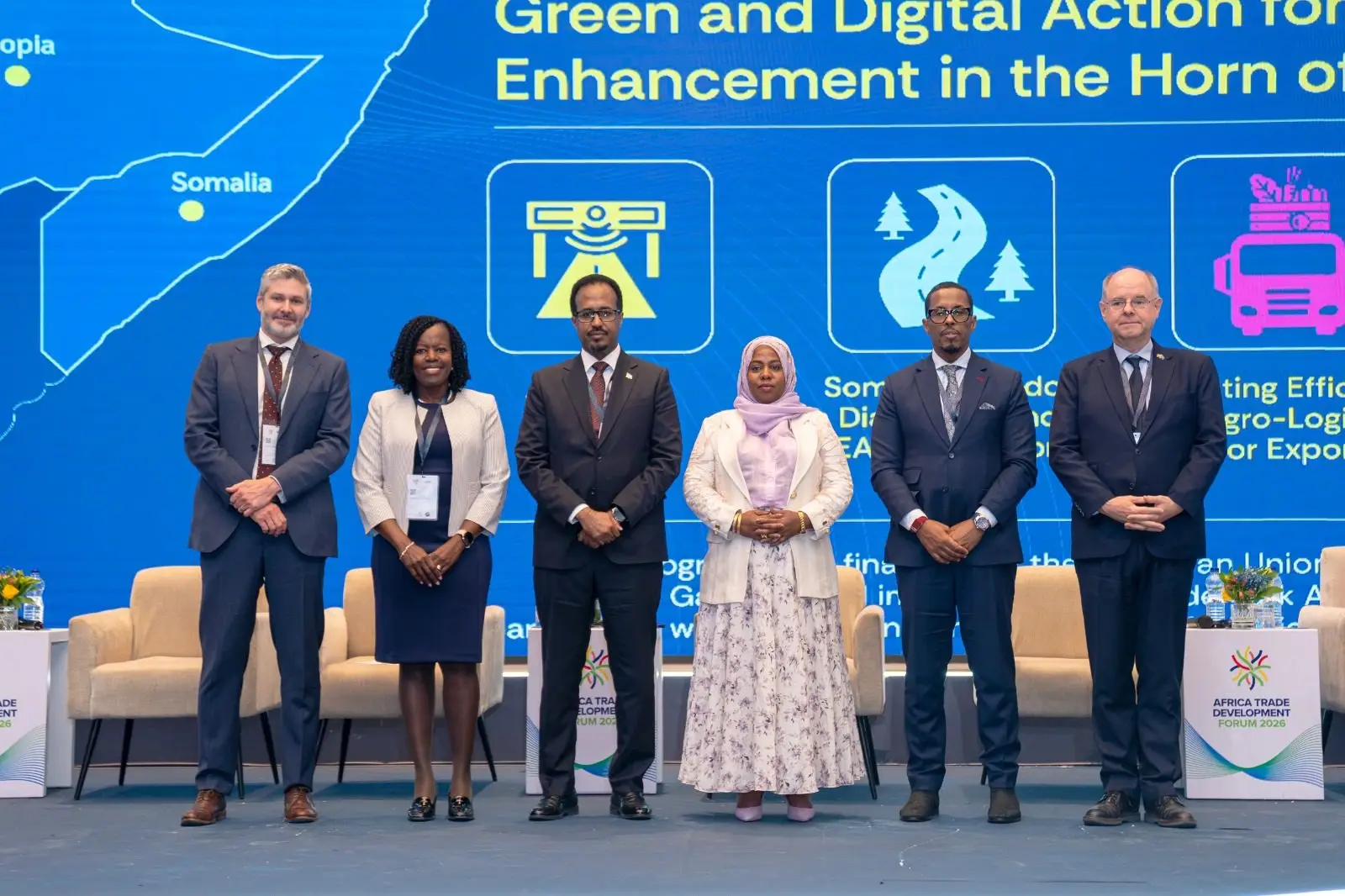
Addis Ababa, 23 November 2026: African governments must strengthen product standards, certification systems and industrial capabilities if the continent is to expand its exports and capture more value from international trade, leaders heard at the opening of the Africa Trade Development Forum (ATDF 2026) in Addis Ababa on Monday.
The two-day Forum, co-hosted by Ethiopia’s Ministry of Trade and Regional Integration and TradeMark Africa (TMA), has brought together more than 350 policymakers, trade ministers, industrialists, standards authorities, financiers and development partners under the theme Building Africa’s Exports Through Quality.
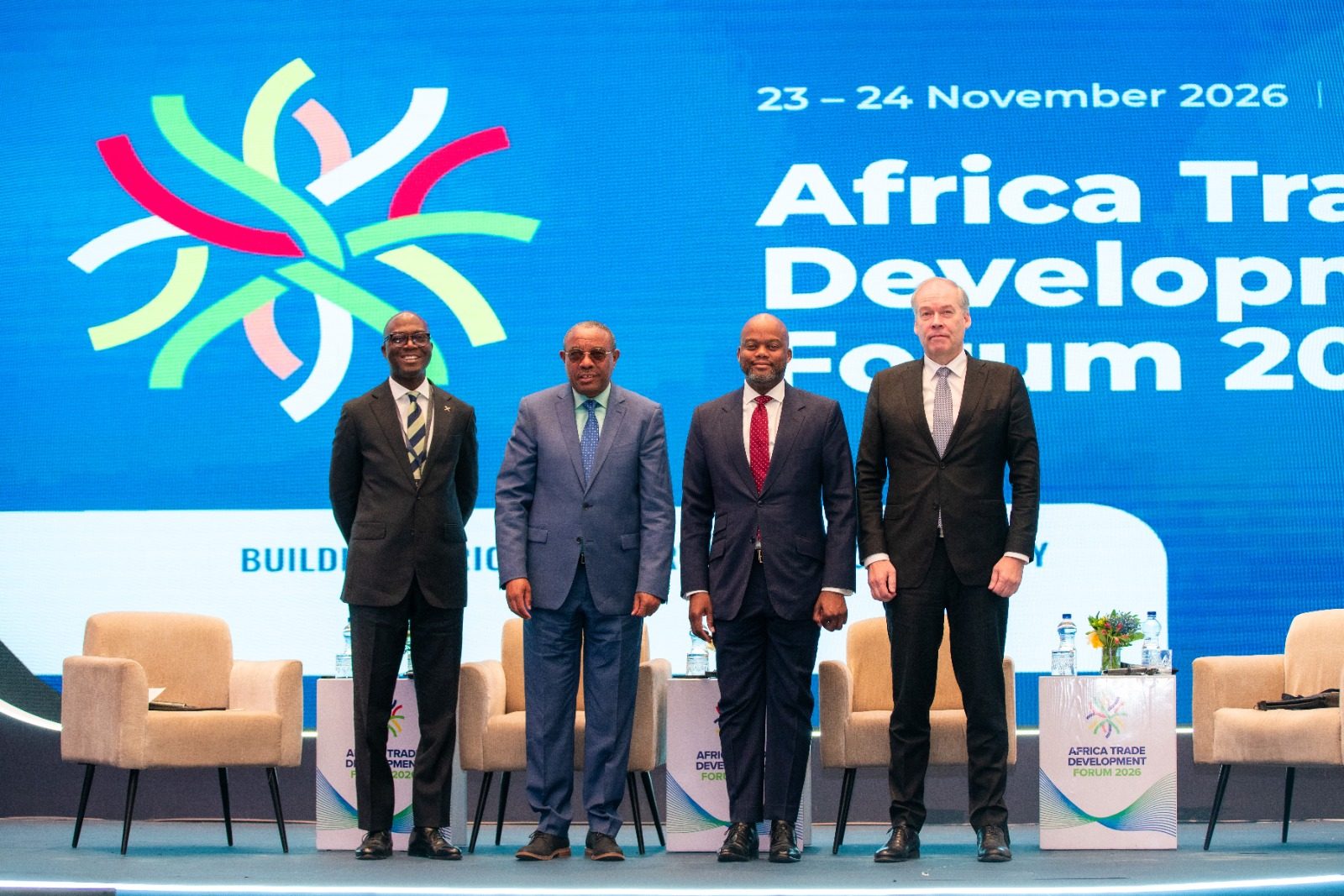
Ethiopia’s Deputy Prime Minister, H.E. Temesgen Tiruneh, joined former Prime Minister and TMA Board Chair H.E. Hailemariam Desalegn Boshe, African Continental Free Trade Area (AfCFTA) Secretary-General H.E. Wamkele Mene alongside Ministers of Trade from Ethiopia, DRC, Uganda, Rwanda, South Sudan, Somalia, Djibouti, and Finland’s Undersecretary of State for International Trade H.E Jarno Syrjälä for the opening ceremony.
Addressing the Forum, Ethiopia’s Minister of Trade and Regional Integration, H.E. Yasmin Wohabrebbi, called for African economies to move beyond reliance on raw commodity exports towards higher-value, internationally competitive products.
“Africa’s trade prospects should not be measured by export volumes alone,” she said, identifying product quality, certification and regulatory recognition as critical to competitiveness.
The Minister also called for stronger cooperation among African countries so that products certified in one market could be accepted in another, reducing unnecessary compliance costs and obstacles to trade.
From market access to market competitiveness
The discussions come as African countries seek to translate the AfCFTA’s promise of a larger continental market into commercial opportunities for producers and manufacturers.
Reducing tariffs is an important part of that effort. Yet exporters must also demonstrate that their goods meet the health, safety, technical and environmental requirements of destination markets. Without credible testing laboratories, certification institutions and internationally recognised quality systems, market access can remain difficult even where tariffs have been reduced.
The Forum’s opening-day programme examined these questions from the perspectives of governments, regulators and industry, including the conditions needed for African countries to manufacture and export more goods together.
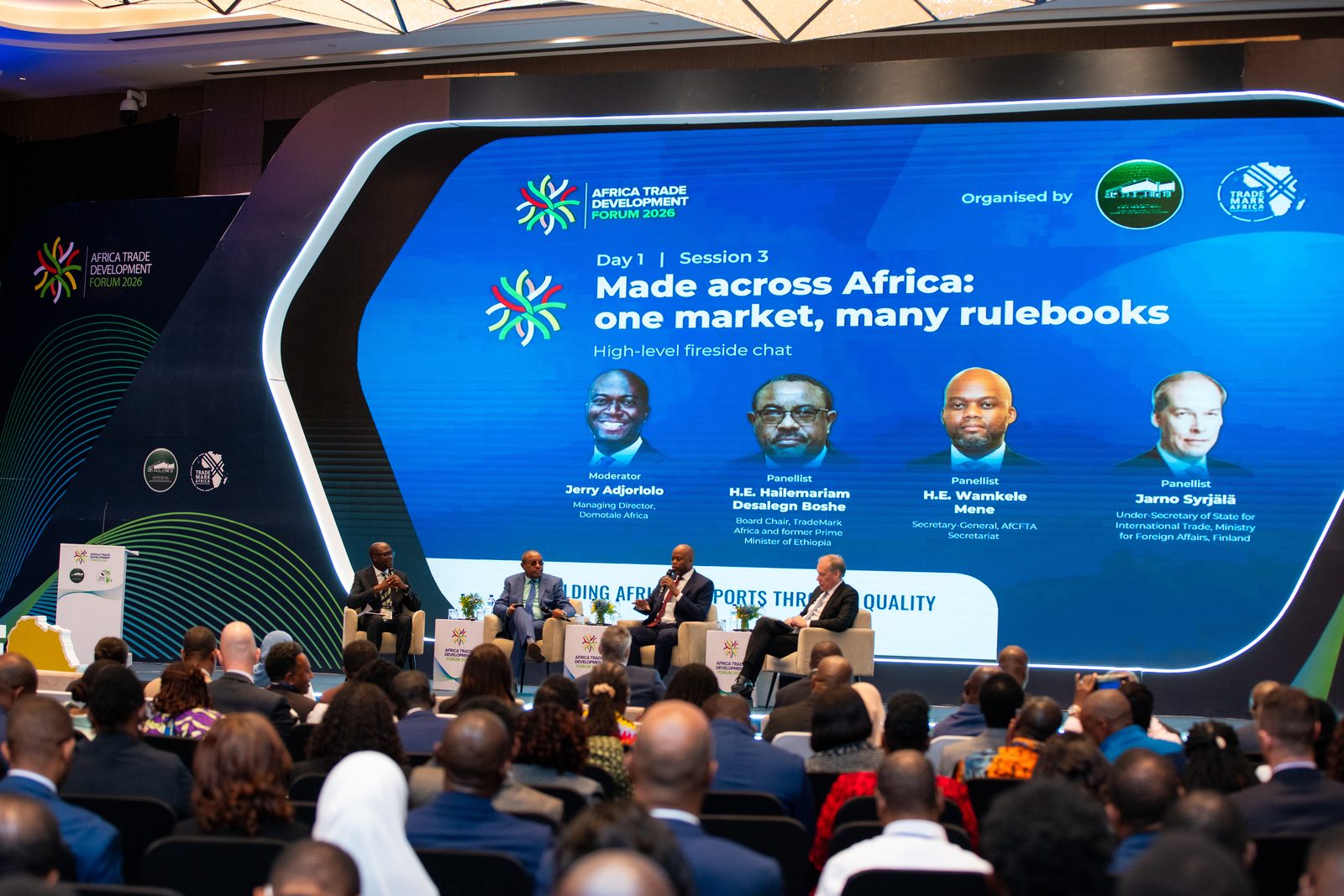
A high-level conversation on Made Across Africa: One Market, Many Rulebooks placed regional value chains at the centre of the debate. The challenge is how countries can combine raw materials, processing capacity, manufacturing, finance and technology across national borders to produce goods that compete in regional and international markets.
The programme also brought industrialists and business leaders into discussions about the requirements of exporting, from compliance and product quality to access to finance and investment in productive capacity.
These questions are particularly relevant to African exporters confronting increasingly demanding international market requirements, including traceability, food safety and environmental compliance.
Attention turns to solutions
On Tuesday, 24 November, the Forum moves from examining these constraints to identifying practical reforms, investment opportunities and political commitments.
The closing day will feature discussions on food corridors, digital certification, youth and women exporters, industrial financing and African participation in advanced manufacturing, including semiconductor technologies.
The proceedings will culminate in a ministerial roundtable chaired by H.E. Hailemariam Desalegn Boshe, where participating governments will consider commitments on standards, mutual recognition and quality infrastructure through 2030.
The Addis Ababa Forum builds on the 2024 edition held in Kigali, Rwanda, where more than 300 government and business leaders backed an ambitious shift towards digital trade and No-Stop Borders across Africa’s major transport corridors. That agenda has since progressed towards funding commitments and the development of pilot projects, demonstrating how the Forum can help translate policy discussions into practical interventions.
The 2026 Forum focuses on product quality reflecting the growing importance of standards, testing, certification and regulatory recognition in determining whether African goods can compete in regional and global markets.
Follow the second day of ATDF 2026 live at https://atdf.trademarkafrica.com/ or on TMA’s youtube channels TradeMark Africa.