Chingola, Zambia/DRC – 30 April 2026 – The Governments of the Republic of Zambia and the Democratic Republic of the Congo (DRC) have reaffirmed their commitment to strengthening formal cross-border trade and improving livelihoods for small-scale traders through a high-level technical engagement on the operationalisation of the COMESA Simplified Trade Regime (STR) at the Kasumbalesa border post.
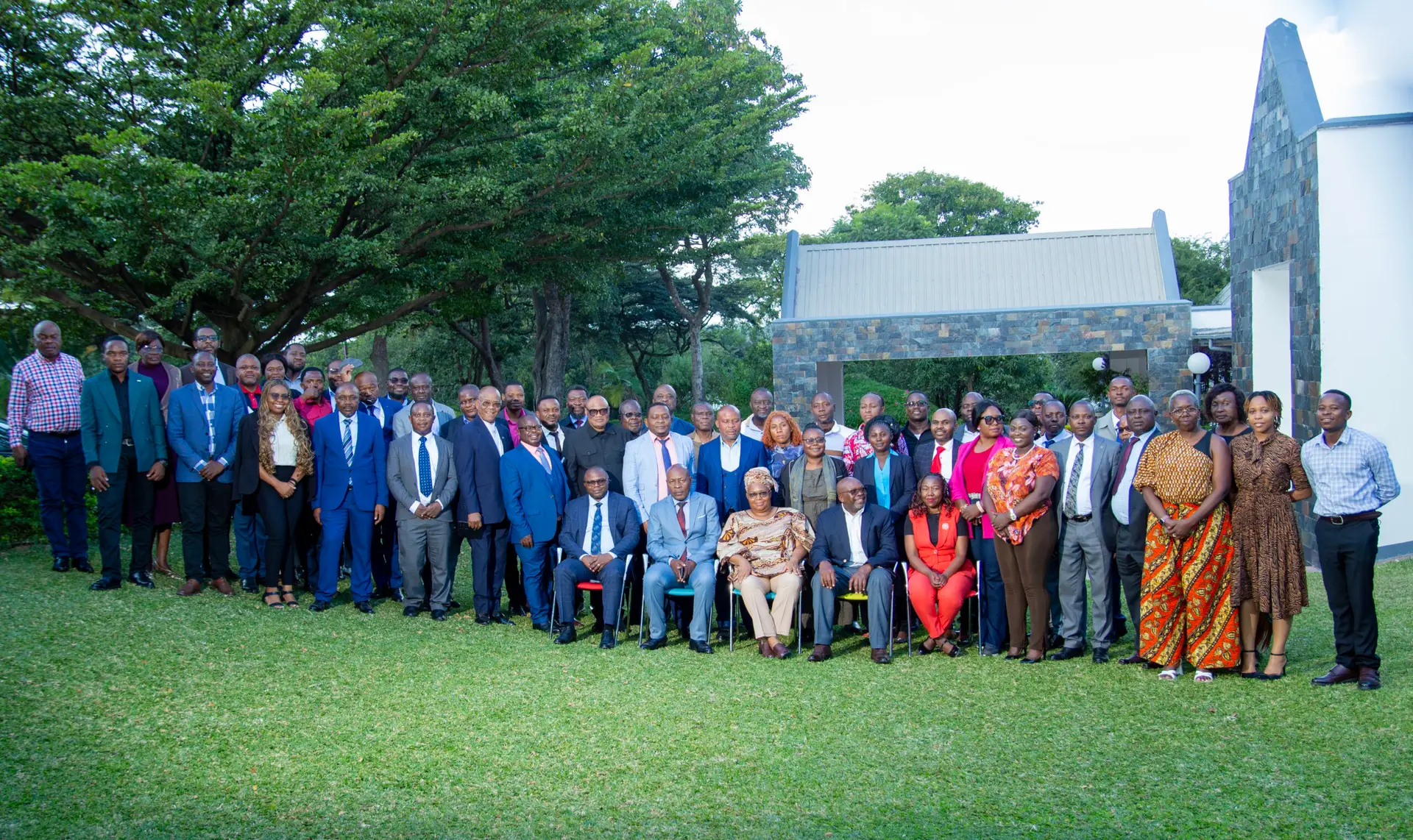
The bilateral technical meeting, held from 27–29 April 2026 in Chingola, Zambia, brought together officials from ministries responsible for trade and regional integration, border agencies, cross-border traders’ associations, the COMESA Secretariat, TradeMark Africa (TMA), the FIRST Project.
The engagement focused on preparations for the implementation of the STR, an important trade facilitation instrument aimed at simplifying customs procedures for small-scale cross-border traders the majority of whom are women and youth, reducing transaction costs, promoting the use of formal trade channels, and improving livelihoods.
Kasumbalesa remains one of the busiest and most strategic border crossings in the region, serving as a vital trade corridor linking Southern, Eastern and Central Africa. The border is particularly important for the fisheries sector, with large volumes of fish and fish products traded daily between Zambia and the DRC, supporting food security, nutrition, employment and household incomes for thousands of communities on both sides of the border.
The meeting recognised the critical contribution of small-scale traders, particularly women and youth, who dominate informal and small-scale fish trade activities across the border. Participants noted that many women and young traders continue to face challenges including cumbersome customs procedures, informal payments, harassment, inadequate infrastructure, limited access to finance, and low awareness of trade regulations.
Opening the meeting, Mrs Patricia Mwela, representing Zambia’s Ministry of Commerce, Trade and Industry, described the STR as “a key driver for empowering small-scale cross-border traders, particularly women and youth.” She noted that after more than seven years of bilateral engagement and negotiations, Zambia and the DRC were now reaching an important milestone in operationalising a transformative trade facilitation instrument.
The Co-Chairperson of the meeting from the Democratic Republic of Congo, Mr. Laurent Madimba Mbuyamba, Director of Multilateral Cooperation in the Ministry of External Trade, reaffirmed the DRC Government’s commitment to inclusive trade and gender-responsive development initiatives.
“The implementation of the STR at Kasumbalesa will strengthen economic cooperation between our two countries while supporting the livelihoods of small-scale traders who depend on cross-border commerce every day. Women and youth remain central to this process, and we are committed to ensuring that trade systems become more inclusive and accessible,” he said.
Representing the COMESA Secretariat, Dr. Christophe Onyango, Director of the Trade and Customs Division, highlighted the importance of the STR in reducing administrative barriers and promoting economic empowerment for women and youth traders.
“The STR is not only a trade facilitation instrument; it is also a practical mechanism for promoting regional integration, reducing the cost of doing business, and improving economic opportunities for small-scale traders, particularly women and youth who form the backbone of informal cross-border trade,” she said.
The meeting further highlighted that more than 70% of small-scale cross-border traders are women and youth, making the STR a critical instrument for economic empowerment and inclusive regional integration. Participants underscored the need for gender-responsive implementation of the STR, including measures to reduce harassment and informal charges, improve accessibility and infrastructure, strengthen grievance handling systems, and increase participation of women and youth in formal trade.
As part of the engagement, Zambia and the DRC adopted a Joint Action Plan outlining key steps toward operationalising the STR at Kasumbalesa. The plan includes strengthening Trade Information Desks, enhancing awareness campaigns for small-scale traders, improving border coordination mechanisms, addressing non-tariff barriers, digitising customs clearance procedures, and promoting financial inclusion and trade financing for small-scale traders.
The Joint Action Plan also prioritises the strengthening of protections and minimum standards of treatment for small-scale traders, including interventions aimed at reducing corruption, physical abuse and gender-based violence at the border.
Technical discussions during the meeting confirmed that the COMESA Simplified Customs Document, the agreed Common List of eligible products, including fish and fish products, and simplified border procedures will form the basis for implementing the STR at Kasumbalesa. Both Member States also committed to advancing the digitalisation of customs and clearance processes to improve efficiency, transparency and information exchange between border agencies.
The engagements were supported by TMA through the Women and Youth Economic Empowerment in Fisheries Programme, implemented in partnership with the Mastercard Foundation and African Continental Free Trade Area Secretariat. The initiative seeks to promote inclusive and sustainable trade opportunities and dignified jobs for women and young people participating in fisheries and cross-border trade.