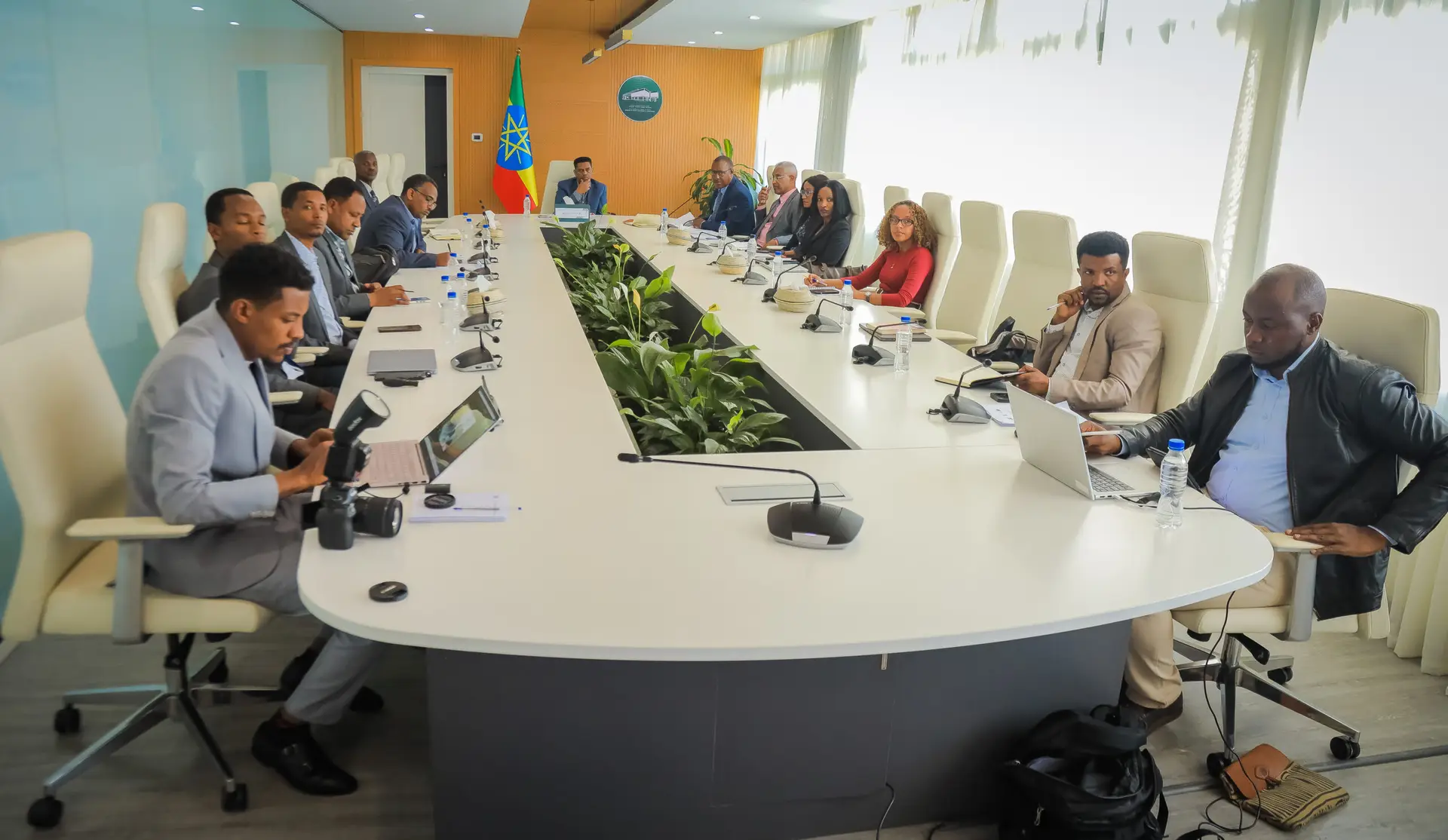
Addis Ababa, Ethiopia, 7 May 2026: Djibouti and Ethiopia have reaffirmed their joint commitment to improving coordination along the Djibouti-Ethiopia corridor following a National Oversight Committee (NOC) meeting that reviewed progress, addressed operational constraints and agreed priorities for the next phase of the bilateral corridor programme.
The Djibouti-Ethiopia corridor- a critical trade route for both countries is designated as a pivotal trade route under the European Union’s Global Gateway initiative for the Horn of Africa, which aims to strengthen sustainable and reliable regional connectivity. The project “Promoting regional economic integration in the Horn of Africa through the development of the Djibouti Corridor,” is financed by the European Union (EU) through Agence Française de Développement (AFD), with TradeMark Africa (TMA) supporting its implementation. The joint NOC will therefore bring together senior government officials from both countries alongside development partners to provide strategic oversight and ensure coordinated delivery of agreed reforms along the corridor.
The meeting reaffirmed that coordinated action by both governments to drive the implementation of the corridor authority remains vital. This entails developing a realistic, actionable roadmap for corridor activities across the short, medium, and long-term, alongside the joint mobilisation of resources for corridor infrastructure. Together, these steps will enhance trade efficiency and reliability, though sustained joint effort will be needed to clear remaining bottlenecks. Participants reviewed progress across priority reform areas supporting corridor performance, including corridor governance arrangements, digital enablers and trade facilitation measures. The discussions underscored the importance of coordinated implementation, performance monitoring and evidence-based decision-making to guide reforms and deliver practical improvements along the corridor.
H.E. Dr Kassahun Gofe, Ethiopia’s Minister of Trade and Regional Integration and co‑Chair of the NOC, said the joint forum reflected our shared focus on delivery, stating: “The Djibouti-Ethiopia corridor is a shared asset for both countries. What matters most is that we continue working together in a coordinated and practical way to address bottlenecks and improve how the corridor functions. The candid and open discussions we had today involving primary beneficiaries like the private sector reflect the value of sustained bilateral cooperation focused on delivery.’’
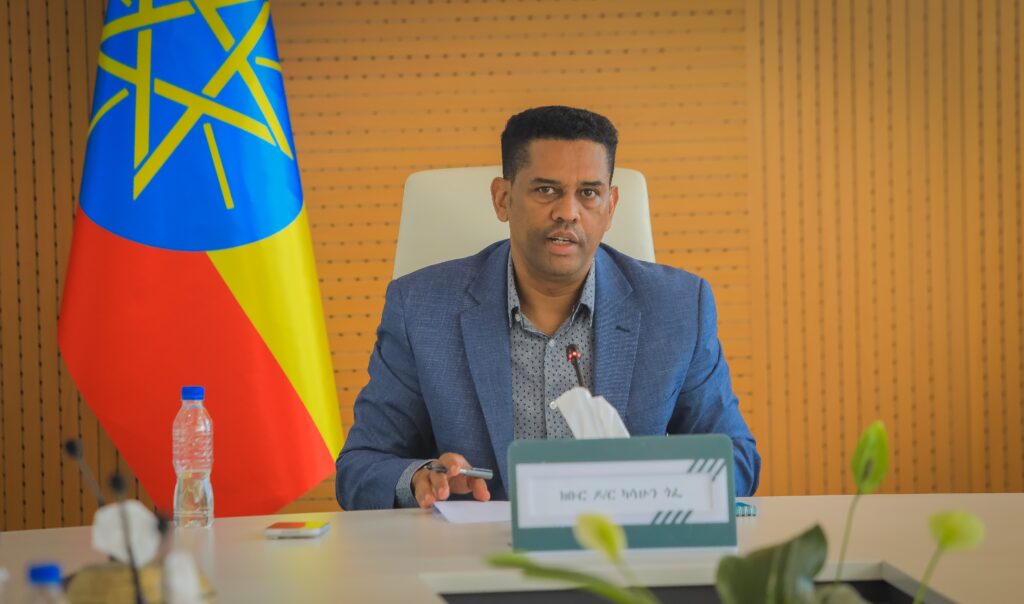
The NOC reviewed progress across priority reform areas supporting corridor performance, including governance arrangements, digital systems, and trade facilitation measures. Members noted the importance of keeping governance mechanisms focused on problem-solving and accountability at the operational level, in line with the existing bilateral coordination mechanisms along the corridor, such as the joint permanent commission and the EU’s Global Gateway Initiative, all aiming at fit-for-purpose institutions that support implementation.
H.E. Mr Mohamed Warsama Dirieh, Djibouti’s Minister of Commerce and Tourism, stressed the importance of collective responsibility. “The corridor performs best when institutions work together. This joint NOC allows governments, partners and implementers to review progress, address bottlenecks, and strengthen shared accountability for improving corridor performance,” he said.
The committee agreed on a set of priority actions for the next phase of implementation, with accountability and follow-through as shared principles. These include operationalising joint cross-border committees to drive trade and transport facilitation; accelerating the establishment of the Corridor Authority; strengthening digital interoperability and private-sector engagement; and embedding a corridor-wide approach to coordination and project delivery. Djibouti will formally communicate the membership of its Corridor Logistics Competitiveness Committee; both countries will strengthen the Joint Trade Committee to harmonise trade frameworks. The NOC chairs are committed to meeting in Djibouti within two months to review progress.
Development partners reaffirmed their support for the joint programme under the EU’s Global Gateway initiative for the Horn of Africa.
Eva Maria Estaun‑Sanz, Interim Head of Cooperation and Head of the Regional Section at the EU Delegation to Djibouti, noted: “The Djibouti-Ethiopia corridor is an economic lifeline, connecting both countries and to the global economy. Delivering results requires more than investment; it demands shared accountability, urgency and joint action. The Joint National Oversight Committee reflects the understanding that shared governance is not a choice, but a prerequisite for success. Anchored in the EU’s Global Gateway strategy, the programme strengthens physical and digital connectivity to unlock trade, support job creation, and promote long‑term prosperity. The corridor demonstrates this approach in practice, and the EU remains committed to delivery with a clear focus on results.”
The AFD also reaffirmed that, “AFD supports corridor reforms that are practical, accountable and anchored in government ownership. The joint NOC is an important mechanism for tracking progress, resolving constraints and keeping implementation focused on results.’’ Ms Aissatou Kumagangue, Regional Project Officer.
TMA’s Regional Director for the Horn of Africa and Rwanda, Eugene Torero, said: “Corridor progress comes from a coordinated and collaborative delivery approach by cross-border agencies. When governance, digital systems, trade facilitation and border improvements advance together, reforms become tangible for businesses and traders. The joint NOC helps maintain that alignment.’’
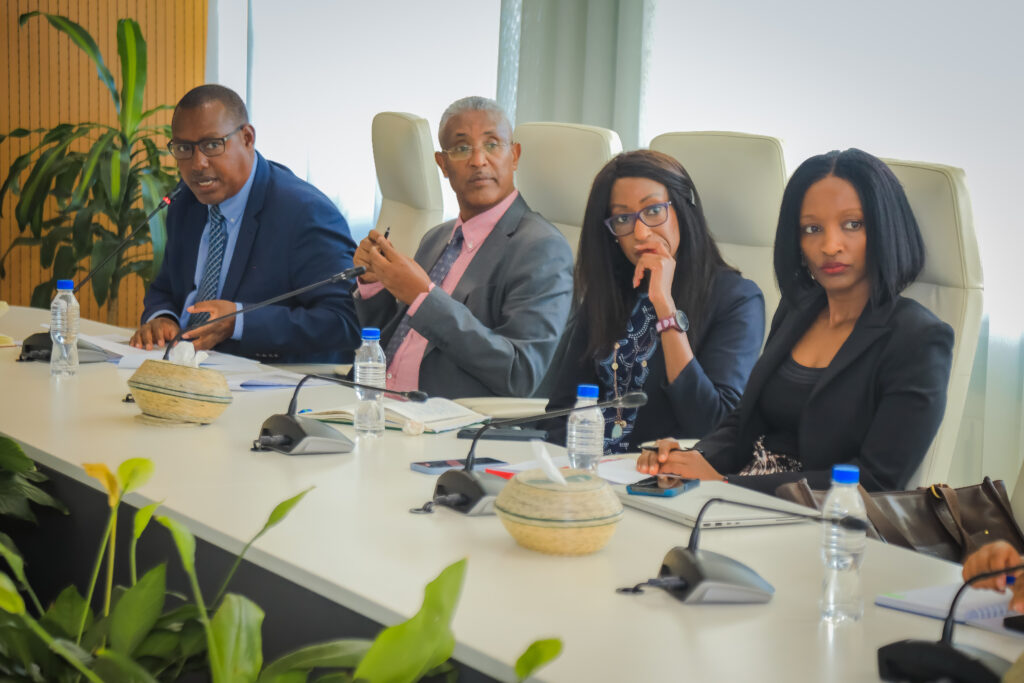
The meeting concluded with a shared commitment by Djibouti and Ethiopia to maintain close coordination as implementation progresses, including through continued joint oversight of corridor performance. The goal is to ensure more sustainable and inclusive regional economic integration that also supports trade participation for women and other vulnerable groups along the corridor. TMA’s Djibouti and Ethiopia Country Programmes are funded by the EU through AFD, as well as the Netherlands, Ireland, Sweden and the UK International Development.