
Caroline and Juliana: Empowered Women Entrepreneurs Paying It Forward

Many years ago, Juliana Mtenga worked as a simple tailor in Tanzania’s city of Dodoma. She earned a small income, which she didn’t mind because she considered her real full time job as that of taking care of her children and the house. As any caring mother, Juliana was concerned about her children’s nutrition – more so for […]
Can improved trade facilitation help tackle poverty?
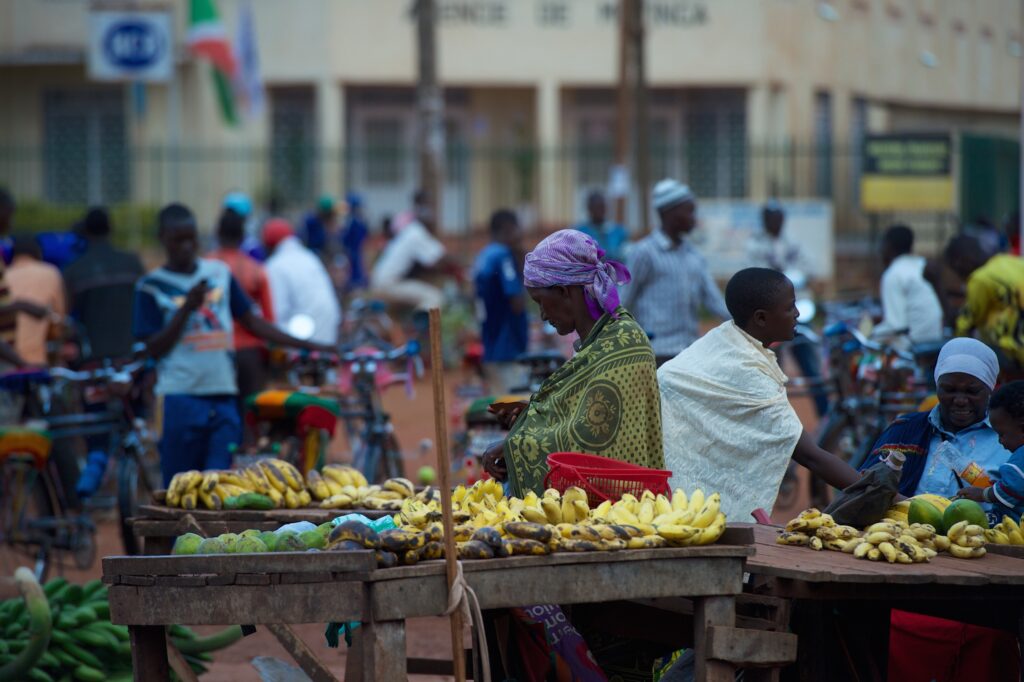
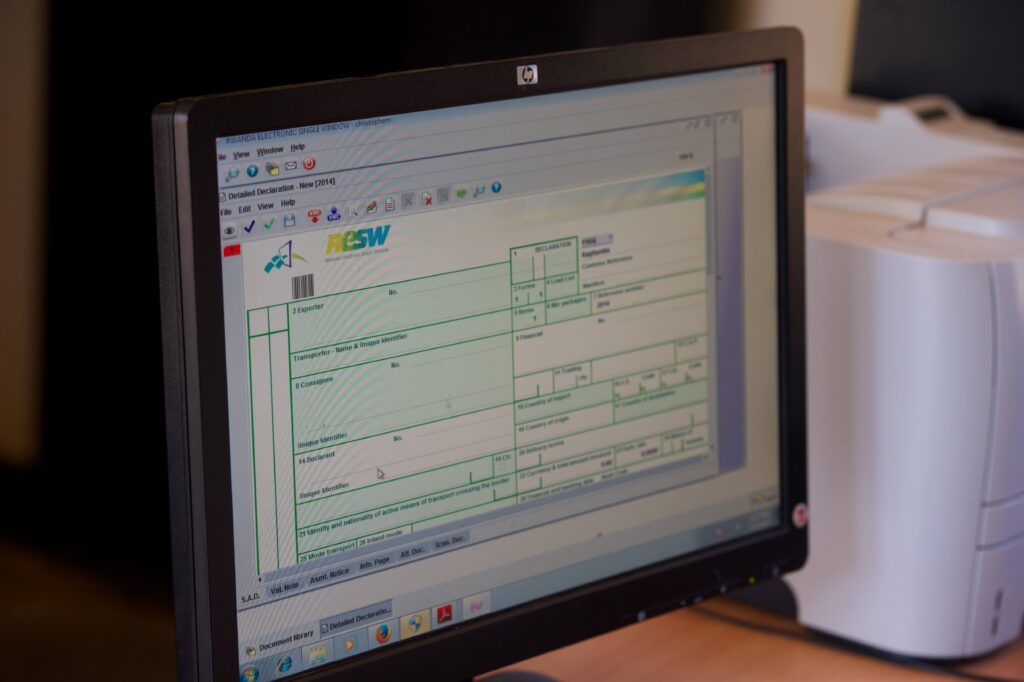
Despite the benefits that trade facilitation initiatives such as the introduction of an eSW may yield for a wide range of stakeholders including clearing agents, importers and exporters and government agencies, like most trade reforms, the links between these types of investments and poverty reduction are not so clearly defined. A recent study (Shepherd, 2014) […]
Enhancing delivery of export adviser service – The Case of Export Advisers in Rwanda
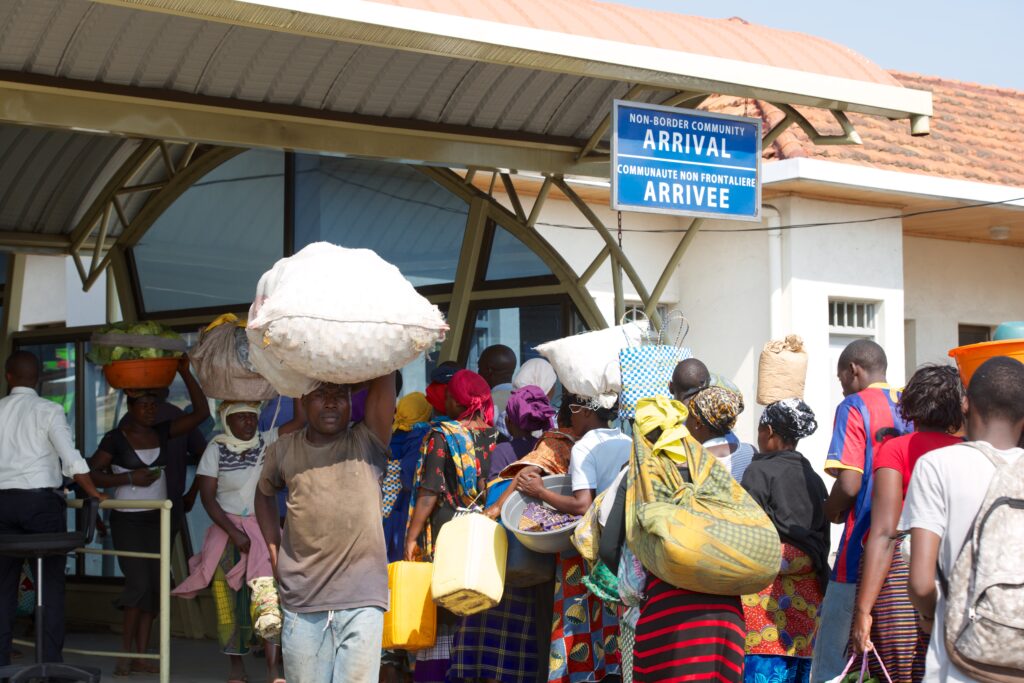
1 BACKGROUND African countries are becoming increasingly aware of the importance of developing trade capacity in order to achieve effective participation in the regional and world trading system and to reap the full benefits of improved access to these markets (World Bank). There is wide recognition that capacity building and training are prerequisites to economic […]
“Growing for (and with) the Business” by Susan Mukankubana

I was appointed as the managing director of Top Freight before I ever worked in the freight forwarding business or received any training in this business. I had no knowledge of clearing and forwarding, I had just completed my bachelor’s in marketing. We had few clients. I did not know how to advise them well […]
“From Jua Kali to Professional” by Janet Wanjiru
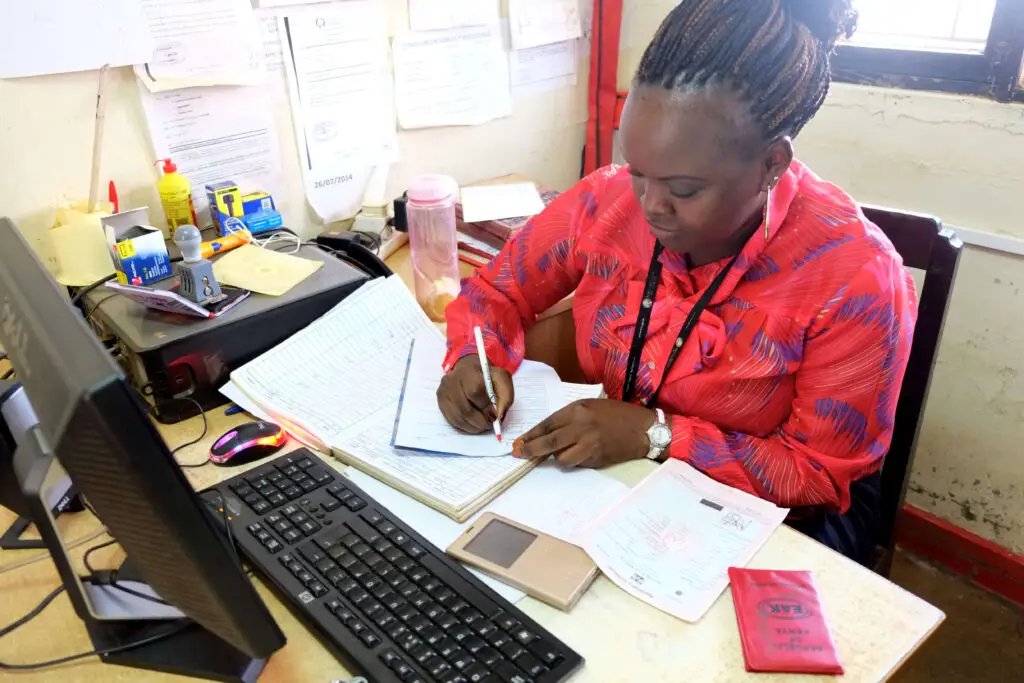
It was jua kali – a casual approach to customers. I would try, and if I got it right then good, but if not so what. It’s a job, so I can earn a living. Customers were OK with it but did not respect freight forwarders – we were seen as corrupt. “Miscellaneous charges” were […]
Increasing the Quality and Competitiveness of the EAC- Locally-Manufactured Products, through Product Certification -The Case of Kenya
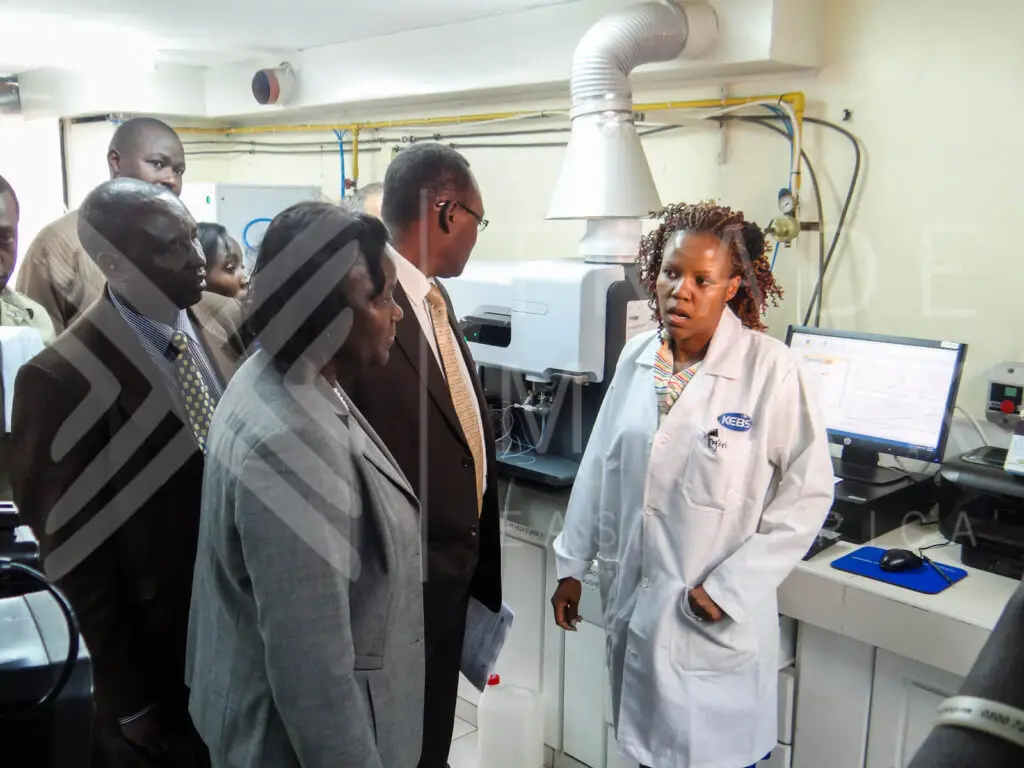
Context: Kenya Bureau of Standards (KEBS) is a statutory body established under the Standards Act (CAP 496) of the laws of Kenya to ensure that quality products and services are accessible in the market. Under the Kenyan government, all people in Kenya have a right to access quality products and services in the market. This is […]
Strengthening laboratory testing capabilities to increase the number of tested parameters and reduction in testing time – The Case of Burundi
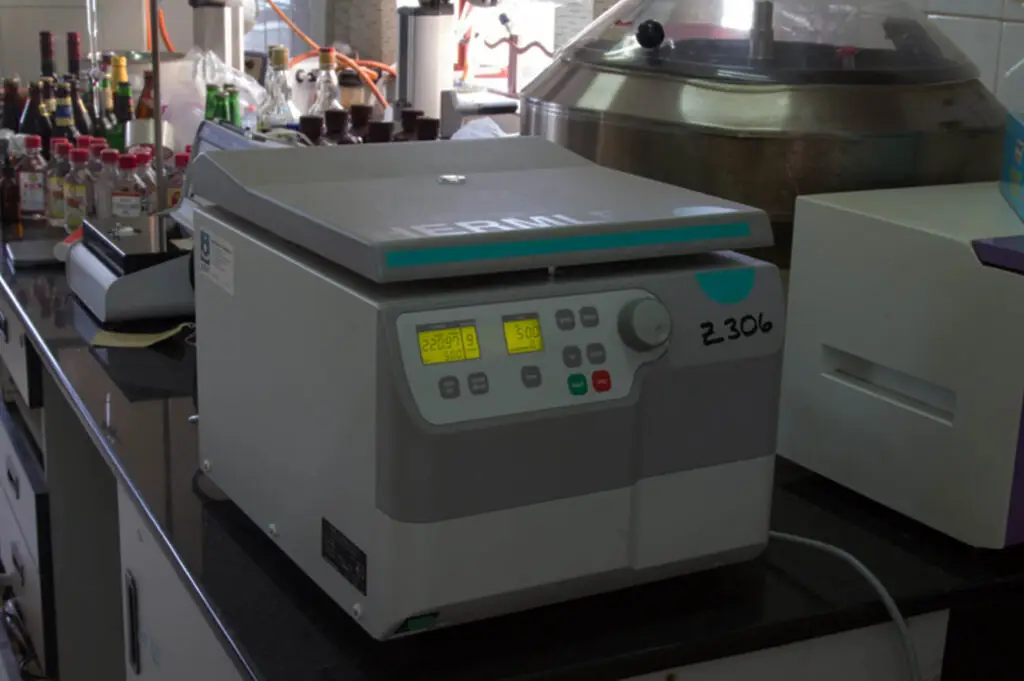
Context: Burundi is a landlocked country whose manufacturing sector is still in infancy stages and the country is heavily dependent on bilateral and multilateral aid (Burundi Public Expenditure Review by World Bank, 2013). The Burundi Bureau of Standards (BBN) is the public body in charge of standards and conformity related activities in Burundi. The WTO’s 2005 […]
Awareness creation on the importance of quality and standards -The case of Uganda
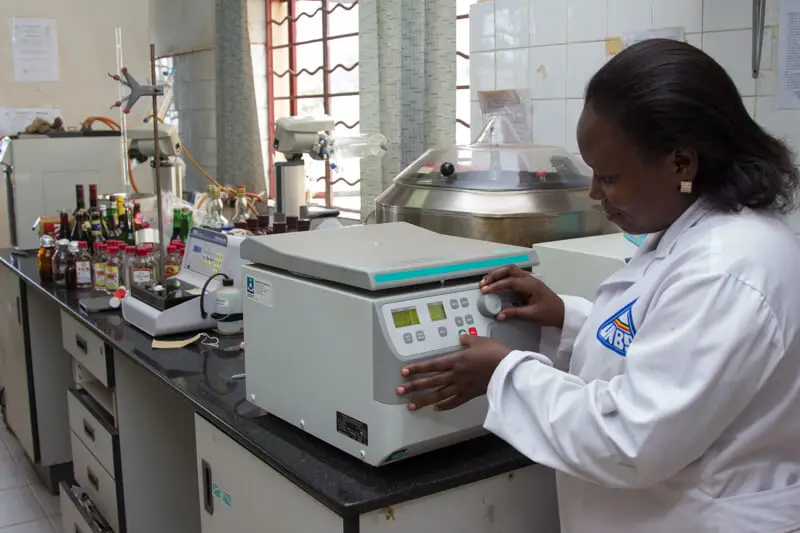
Context: The Uganda National Bureau of Standards (UNBS) was established as a semi-autonomous body by an Act of Parliament in 1983. UNBS is mandated through the Act to develop and promote standardisation, quality assurance, laboratory testing and metrology to enhance the competitiveness of local industry to strengthen Uganda’s economy and promote quality, safety and fair trade. […]
Contribution of Standards Harmonisation and Certification towards reduction in the conformity assesment clearance time and testing cost-The Case of the EAC
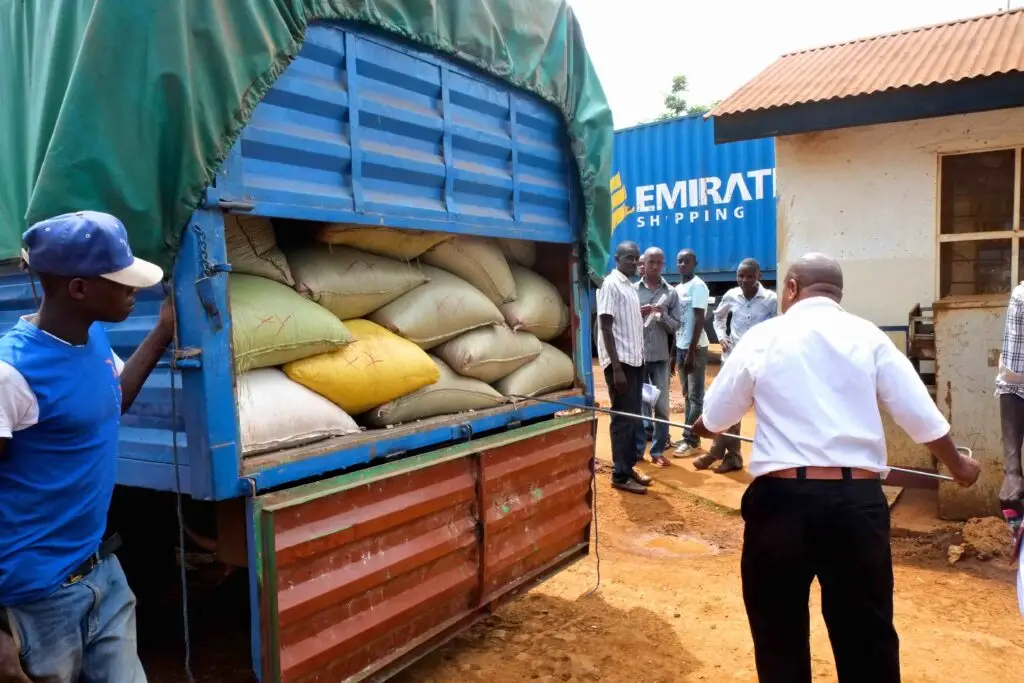
Context: The East African community (EAC) comprises of five countries namely: Burundi, Kenya, Rwanda, Tanzania, and Uganda with a total population of about 143.5 million people with a GDP of US$110.3 billion as of 2014. The EAC Common Market Protocol provides for “accelerated economic growth and development EAC Partner States through the attainment of free movement of […]
Improving clearance time predictability: understanding the importance of standard deviation
Section 5.2 of the report provided a detailed analysis of the average release times of imports and exports for the 2010-2014 period. In addition, it identified the release times for the various stages; some of these changes can be attributed to the ReSW, others are the result of other reform measures identified in the report. […]