
“Building Knowledge to be the Best I can be” by Brian Issa Biryomumaisho

Before the training, there were many things I could not understand. There were many technical things I did not know about, which meant I could not do my job as well as I wanted to. I made many mistakes: Importing from the UK parcels often arrived and were delivered straight to me because I didn’t […]
“From Jua Kali to Professional” by Janet Wanjiru

It was jua kali – a casual approach to customers. I would try, and if I got it right then good, but if not so what. It’s a job, so I can earn a living. Customers were OK with it but did not respect freight forwarders – we were seen as corrupt. “Miscellaneous charges” were […]
Increasing the Quality and Competitiveness of the EAC- Locally-Manufactured Products, through Product Certification -The Case of Kenya
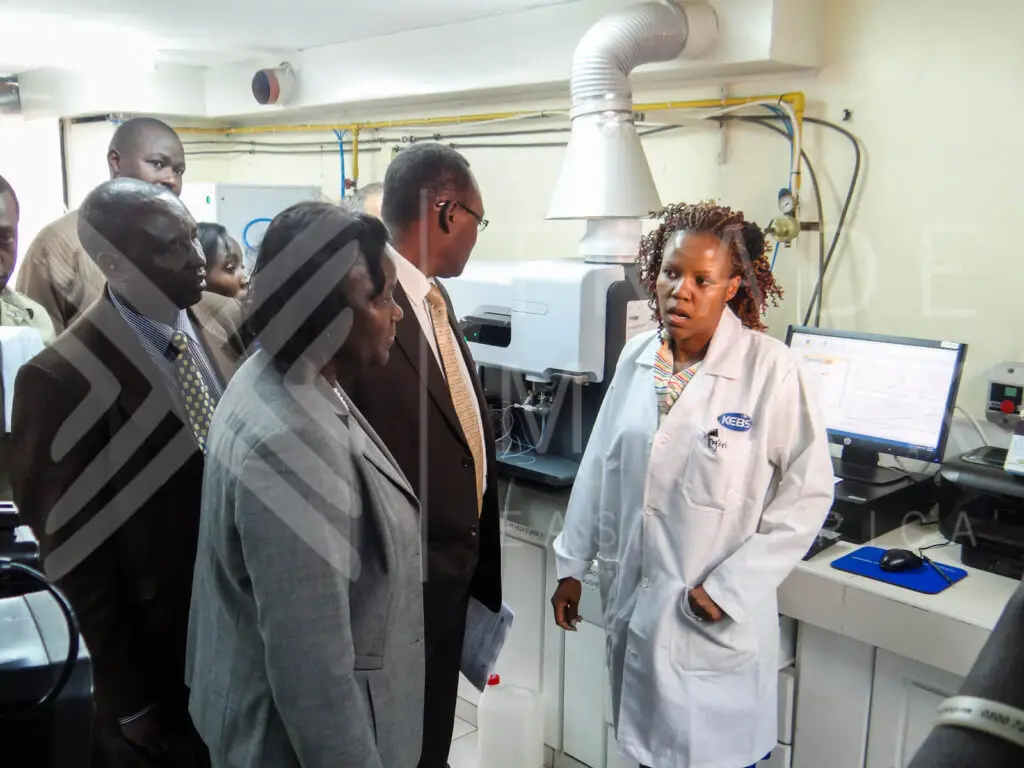
Context: Kenya Bureau of Standards (KEBS) is a statutory body established under the Standards Act (CAP 496) of the laws of Kenya to ensure that quality products and services are accessible in the market. Under the Kenyan government, all people in Kenya have a right to access quality products and services in the market. This is […]
Strengthening laboratory testing capabilities to increase the number of tested parameters and reduction in testing time – The Case of Burundi
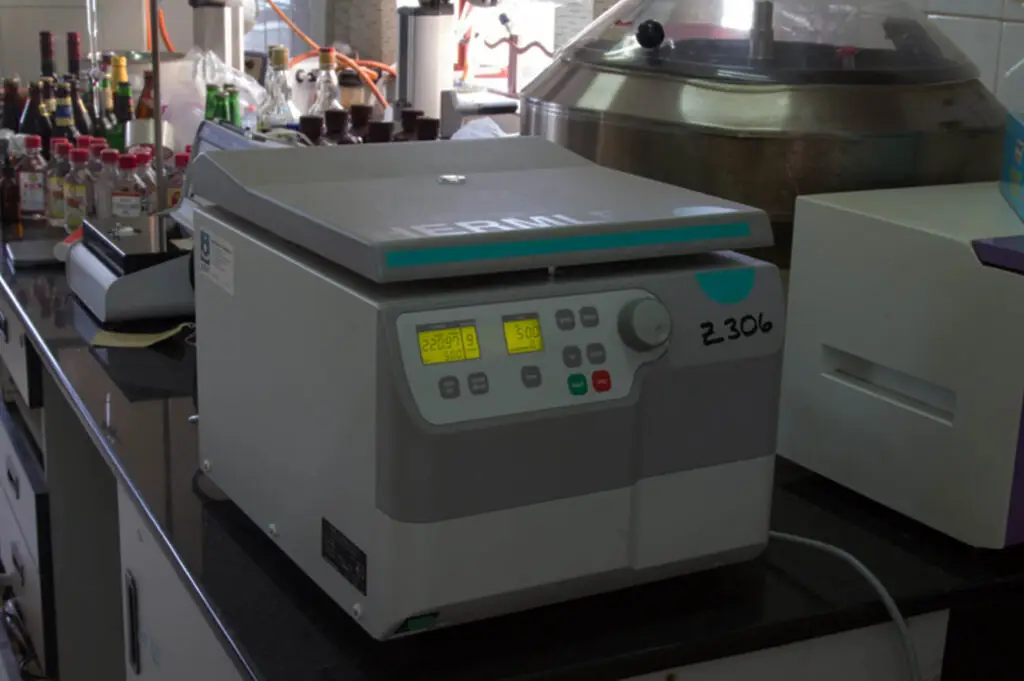
Context: Burundi is a landlocked country whose manufacturing sector is still in infancy stages and the country is heavily dependent on bilateral and multilateral aid (Burundi Public Expenditure Review by World Bank, 2013). The Burundi Bureau of Standards (BBN) is the public body in charge of standards and conformity related activities in Burundi. The WTO’s 2005 […]
Awareness creation on the importance of quality and standards -The case of Uganda
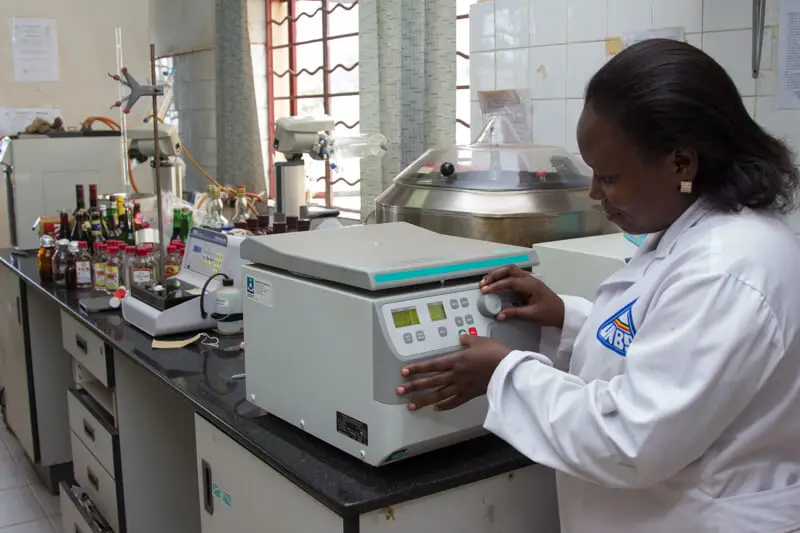
Context: The Uganda National Bureau of Standards (UNBS) was established as a semi-autonomous body by an Act of Parliament in 1983. UNBS is mandated through the Act to develop and promote standardisation, quality assurance, laboratory testing and metrology to enhance the competitiveness of local industry to strengthen Uganda’s economy and promote quality, safety and fair trade. […]
Contribution of Standards Harmonisation and Certification towards reduction in the conformity assesment clearance time and testing cost-The Case of the EAC
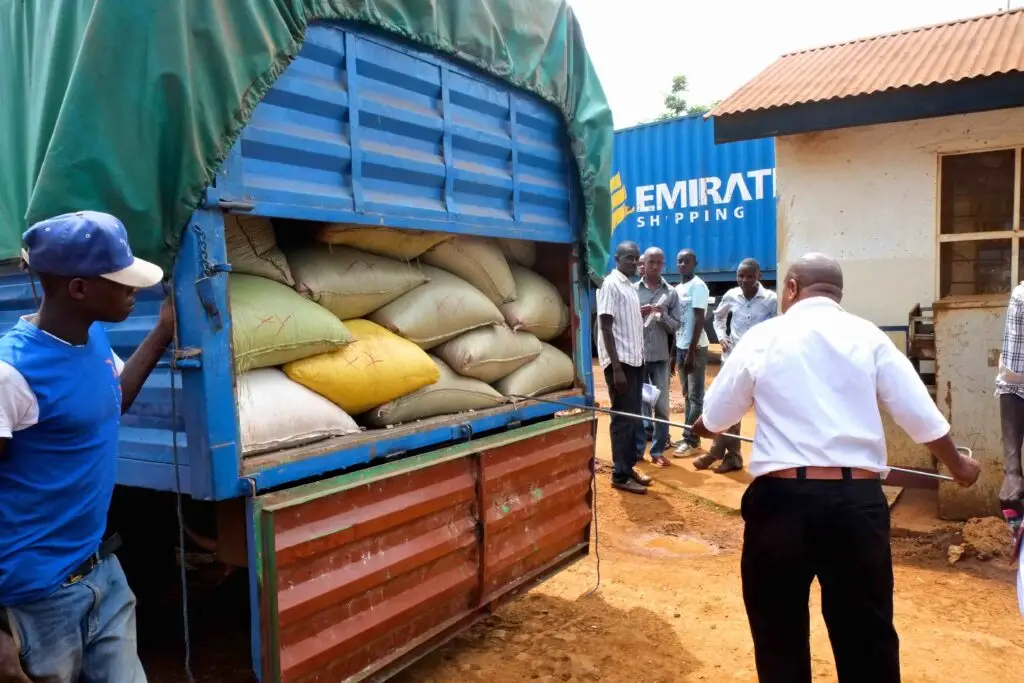
Context: The East African community (EAC) comprises of five countries namely: Burundi, Kenya, Rwanda, Tanzania, and Uganda with a total population of about 143.5 million people with a GDP of US$110.3 billion as of 2014. The EAC Common Market Protocol provides for “accelerated economic growth and development EAC Partner States through the attainment of free movement of […]
Improving clearance time predictability: understanding the importance of standard deviation
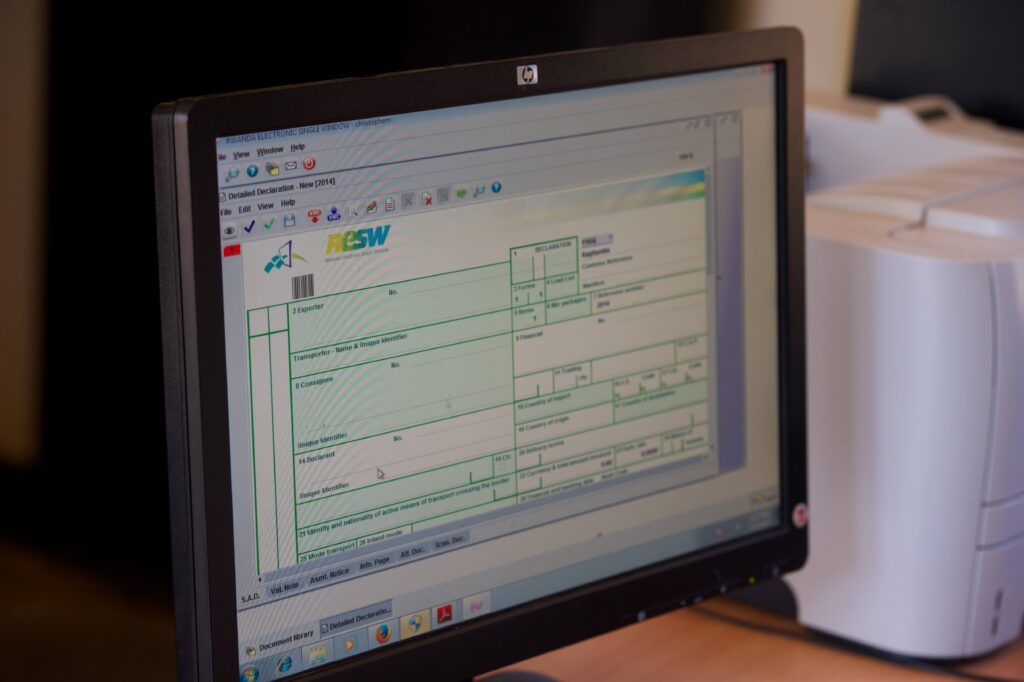
Section 5.2 of the report provided a detailed analysis of the average release times of imports and exports for the 2010-2014 period. In addition, it identified the release times for the various stages; some of these changes can be attributed to the ReSW, others are the result of other reform measures identified in the report. […]
Lessons for strengthening the regional impact of the ReSW initiative
At the launch of the Kenyan Electronic Single Window in May 2014, President Uhuru called for the establishment of an EAC regional single window platform to integrate the national single window systems in partner states. Discussions on this initiative are ongoing as part of the EAC SCT operationalization, but currently only Kenya and Rwanda have […]
Complementing the ReSW: Establishing a comprehensive Rwanda Trade Portal

Establishing a Formal Trade Portal A Trade Portal is a web-based trade facilitation tool that provides reliable and up to date information on all laws, regulations and procedures for traders and government agencies involved in the import and export of goods. The tool complements the overall goal of the electronic single window since it reduces […]
Use of modern ICT in conformity assessment to improve service delivery to the stakeholders – The Case of Rwanda

Context: The Republic of Rwanda acceded to the EAC Treaty on 18th June 2007 and became full Members of the Community with effect from 1st July 2007. Information and Communication Technology (ICT) is a central engine to driving Rwanda’s transformation to a knowledge-based economy, a fact Rwanda has acknowledged by allocating a budget to ICT as […]