Quick Zambia Stats
TradeMark Africa in Zambia
21 Million (2024)
$27 Billion (2024)
2022
Dar es Salaam and North-South
Raw Copper (44%) Refined Copper (18%) Gold (12%)
Zambia is a landlocked country in Southern Africa. Economic activity is largely concentrated around Lusaka, the capital and the Copperbelt region, both of which serve as the country’s main commercial hubs.

752,618
sq kms

19.6 Million
people
It shares borders with eight countries: the Democratic Republic of Congo, Tanzania, Malawi, Mozambique, Zimbabwe, Botswana, Namibia and Angola, making it both a land linked nation and a natural bridge between Southern and Eastern Africa, offering potential to serve as a regional trade and transithub. However, its landlocked status also creates trade inefficiencies, with high costs and delays along regional routes in multiple countries, making improved connectivity and border efficiency key to unlocking its trade potential.
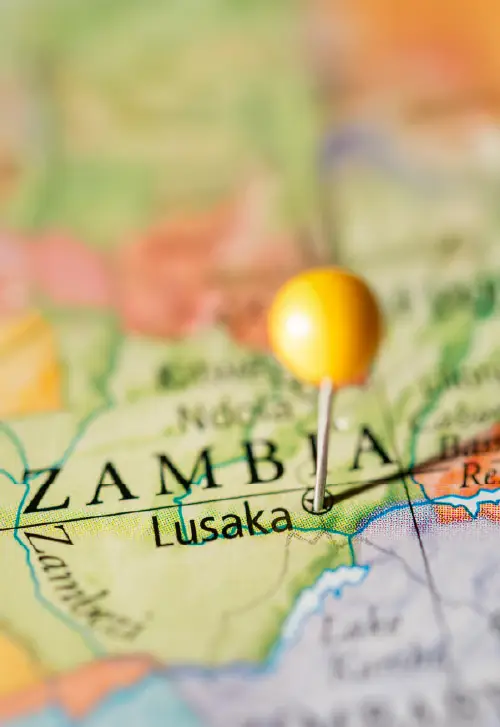
Anchored to the central corridor via Tanzania
Mining contributes around 12% of Zambia’s GDP and accounts for around 75% of its export earnings, yet it employs about 2.1% of the population. By contrast, agriculture provides livelihoods formore than half the population, yet contributes less than 5% to GDP. This gap between economic output and employment signals a need for a more inclusive economic growth model that integrates high employment sectors like agriculture into trade and industrial development strategies through strengthened trade connectivity, boosts competitiveness, and harnesses the potential of trade corridors.
Regional integration is a priority for Zambia as it is a member of two major regional trade blocs—the Common Market for Eastern and Southern Africa (COMESA) and the Southern African Development Community (SADC). While this dual membership reflects Zambia’s commitment to regional integration, it also introduces complexity. Businesses often struggle to navigate overlapping trade regimes, differing rules of origin, and regulatory standards, which can limit the private sector’s ability to fullybenefit from regional market opportunities.
TMA’s engagement in Zambia supports the Government’s efforts to overcome these barriers, with a focus on trade facilitation, improving infrastructure, and reducing regulatory inefficiencies—positioning the country to take full advantage of its strategic location and regional trade ambitions.
Early Milestones
Since 2020
TMA began operations in Zambia in 2020, launching a series of Safe Trade interventions in response to the COVID-19 pandemic.
Short Term Impact
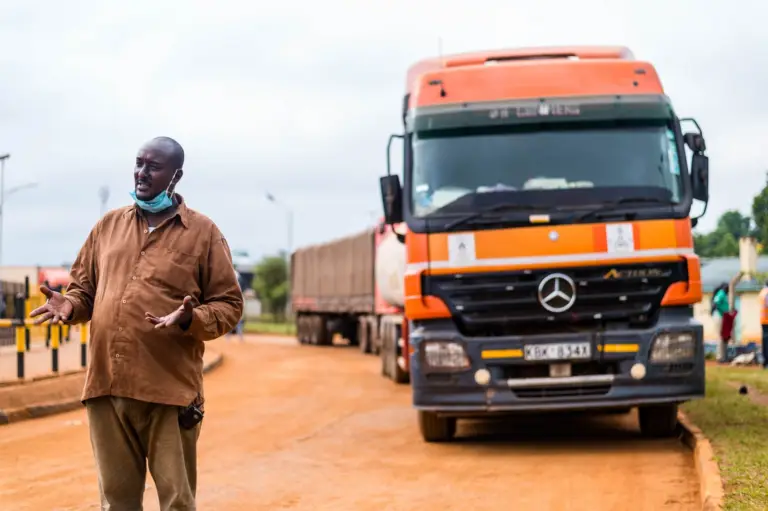
The safe trade interventions helped keep goods moving during a time of global disruption, ensuring continuity at critical trade points such as Nakonde, which is one of Zambia’s busiest border crossings.
TMA's Strategic Efforts
During this period, TMA provided personal protective equipment to traders and border officials, helping sustain trade while safeguarding public health.
Long Term Ambitions
The initial measures were part of a broader, long-term ambition: to position Zambia as a gateway for trade-led growth. TMA’s approach will support economic diversification, reduce trade barriers, and strengthen export competitiveness of particularly agriculture and other high-potential sectors.
Our work, from 2023 to 2030, will focus on improving physical infrastructure at major border posts, while also supporting the development of dry ports, logistics hubs, and industrial parks; in addition to private sector support. The goal is to enhance Zambia’s role within regional trade corridors and make cross-border trade faster, safer, and more efficient.
From 2023 to 2030, TMA will deepen its support in Zambia through the following priority areas:
- Supporting the implementation of trade policies and reducing non-tariff barriers (NTBs), while harmonising customs and transit procedures in line with the ambitions of the African Continental Free Trade Area (AfCFTA).
- Working with National Trade Facilitation Committees (NTFCs), Customs, and other border agencies to align with regional frameworks such as the Simplified Trade Regime and Authorised Economic Operator schemes.
- Infrastructure upgrades and improving institutional coordination at major border points such as Nakonde and Mwami, to reduce trade costs and delays and attain more predictable cross-border flows.
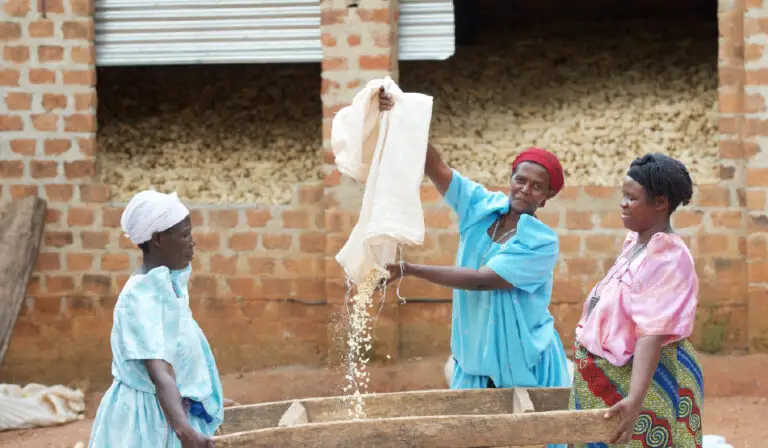
- Designing targeted interventions for women and youth involved in cross-border and SME trade, especially in agro-processing and textiles. These efforts will focus on improving market access, formalising businesses, enhancing skills, expanding access to trade finance, and developing gender-sensitive border facilities.
- Export competitiveness by helping Zambian producers meet quality and standards requirements.
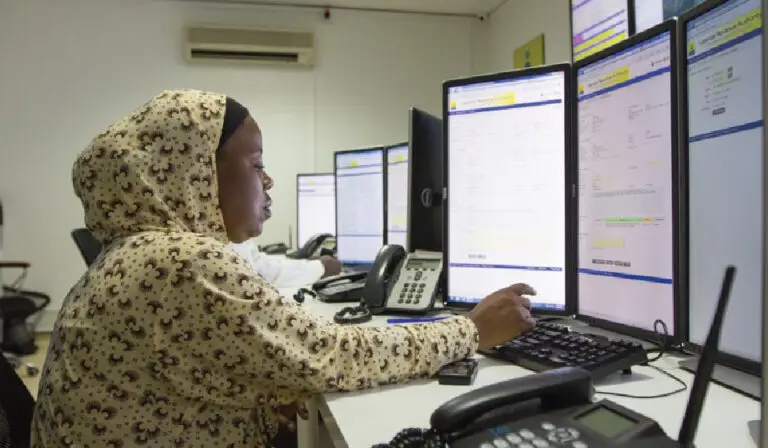
- Digital systems that streamline customs and improve data access for traders.
With TMA’s support, the establishment of the Office Burundais des Recettes (OBR) nearly doubled government tax revenues between 2011 and 2015. Over 550 billion BIF was generated, and more than 600 staff were recruited to strengthen tax and customs administration.
Increased government revenues enabled by OBR contributed to the construction of key public infrastructure, including a referral hospital in Karusi Province, demonstrating the wider societal benefits of improved domestic resource mobilisation.
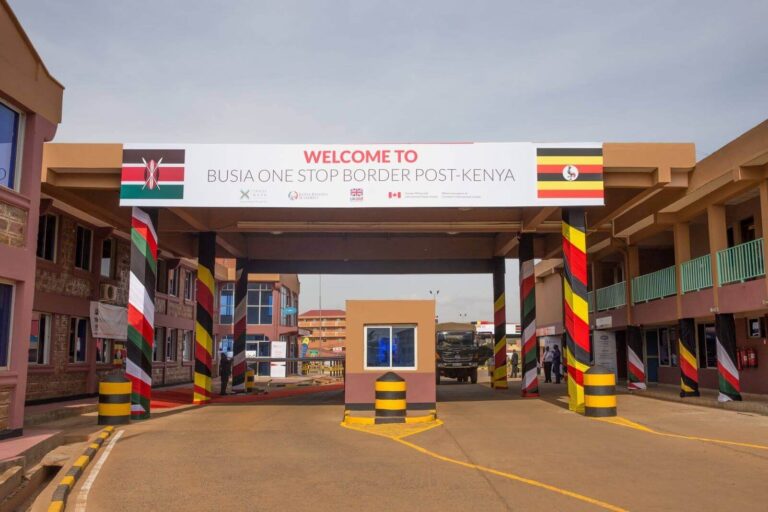
The construction of the Kobero One Stop Border Post (OSBP) on the Tanzanian border, through which 70% of Burundi’s road trade flows, has dramatically improved efficiency. Recent data shows that border crossing times have reduced from over 8 hours in 2011 to just 3 hours and 25 minutes.
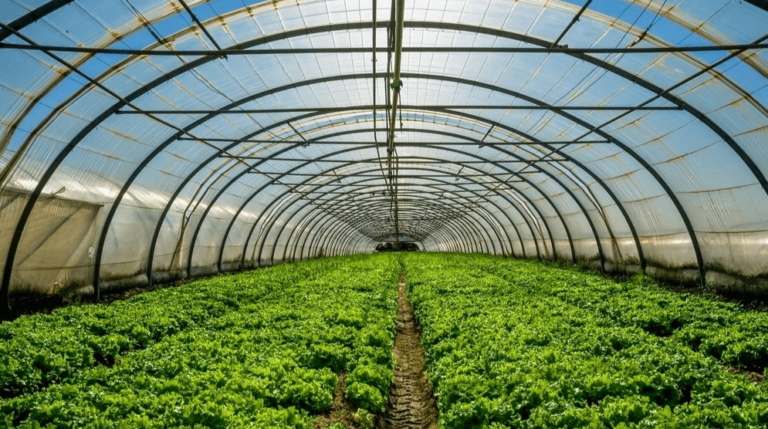
TMA-supported interventions led to a near tripling of subsidised agricultural inputs, increasing from 6.4 tonnes per year to 18.5 tonnes, thereby enhancing productivity and food security.
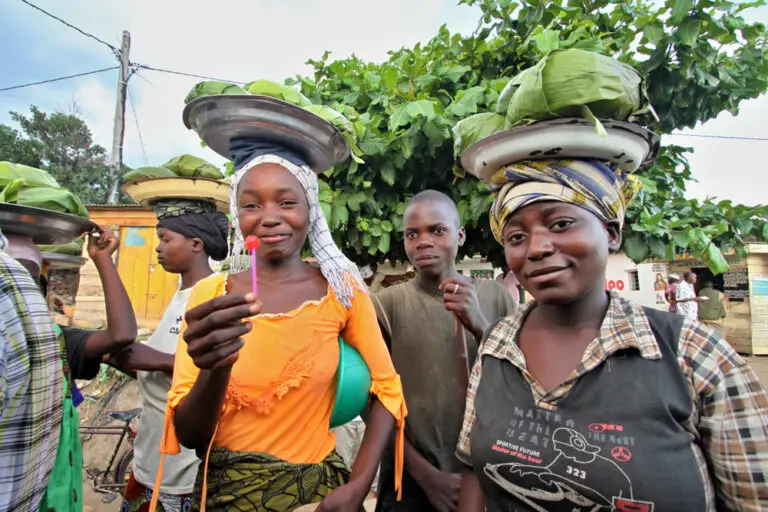
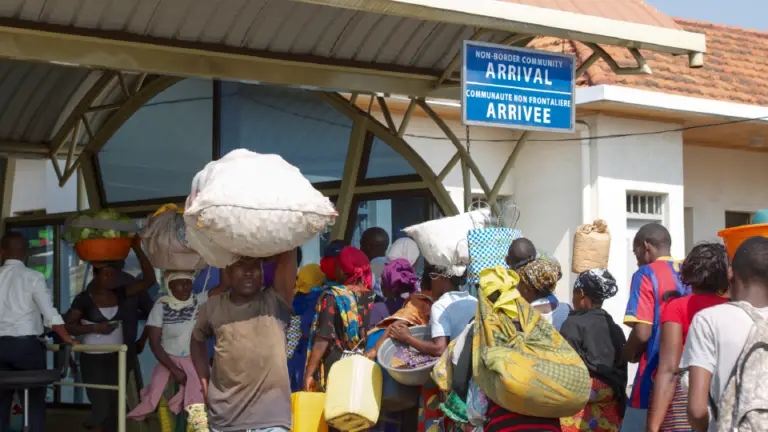
Women cross-border traders supported through cooperatives along the DRC corridor recorded a 65% increase in revenues and an 11% rise in profit margins due to access to better trading conditions.
More than 2,000 G50 farmer groups are now digitally purchasing inputs via the AUXFIN UMVA platform, improving transparency, reducing costs, and enhancing access to critical resources.
With TMA’s support, the Ministry of Health successfully deployed the digital ABREMA module for import authorisations between 2022 and 2023. The system reduced permit processing time for medicines from 12 days to under 24 hours. Over 80% of import permits are now processed online, with the reform expected to cut average clearance and transit times by 30%.

COUNTRY DIRECTOR, BURUNDI
Christian Nibasumba is the Country Representative of TradeMark Africa in Burundi since 2019, where he oversees operations and works closely with government agencies, the donor community, private sector, and civil society organizations to steer TMA ambitions in Burundi.
With fourteen years’ work experience in various functions, primarily in economic development as well as program and grants management, Christian has in his previous career, served as Africa Regional Advisor on Economic Inclusion at Christian Aid, Grants Manager of the Public Diplomacy Section at the United States Embassy in Bujumbura, and Deputy Director of the Burundi Business Incubator.
He holds a Master’s degree MBA-Finance from United States International University-USIU-Nairobi and a Bachelor’s degree in business management & administration from Uganda Martyrs University. In 2018, Christian took part in the “Leading Economic Growth” program at Harvard Kennedy School, Boston-USA. Christian is a Certified “Business Edge” Trainer, a program by the IFC- World Bank and Alumnae of the French African Foundation. Christian additionally sits on KCB Burundi board as an independent/non-executive director, since 2021
- christian.nibasumba@trademarkafrica.com