

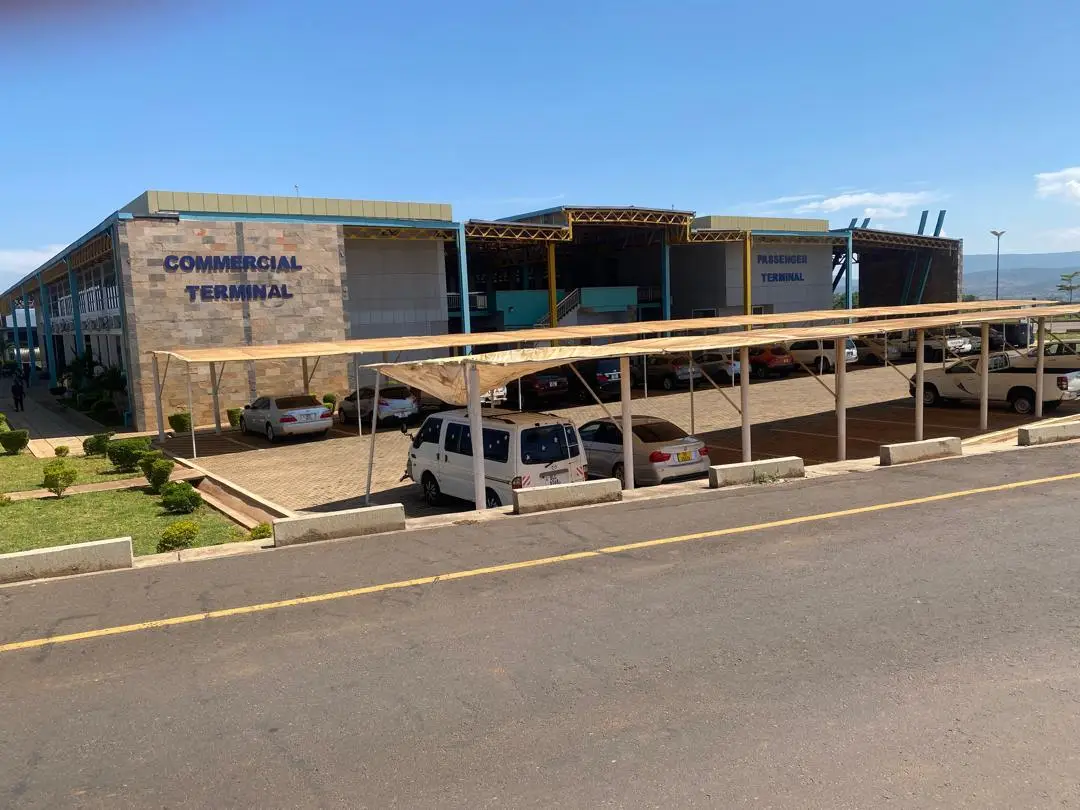
A move by the Zambia Revenue Authority and the Malawi Revenue Authority, last month, to activate live customs-to-customs data exchange marked a significant step in how the two countries manage cross-border trade, compliance and revenue protection.
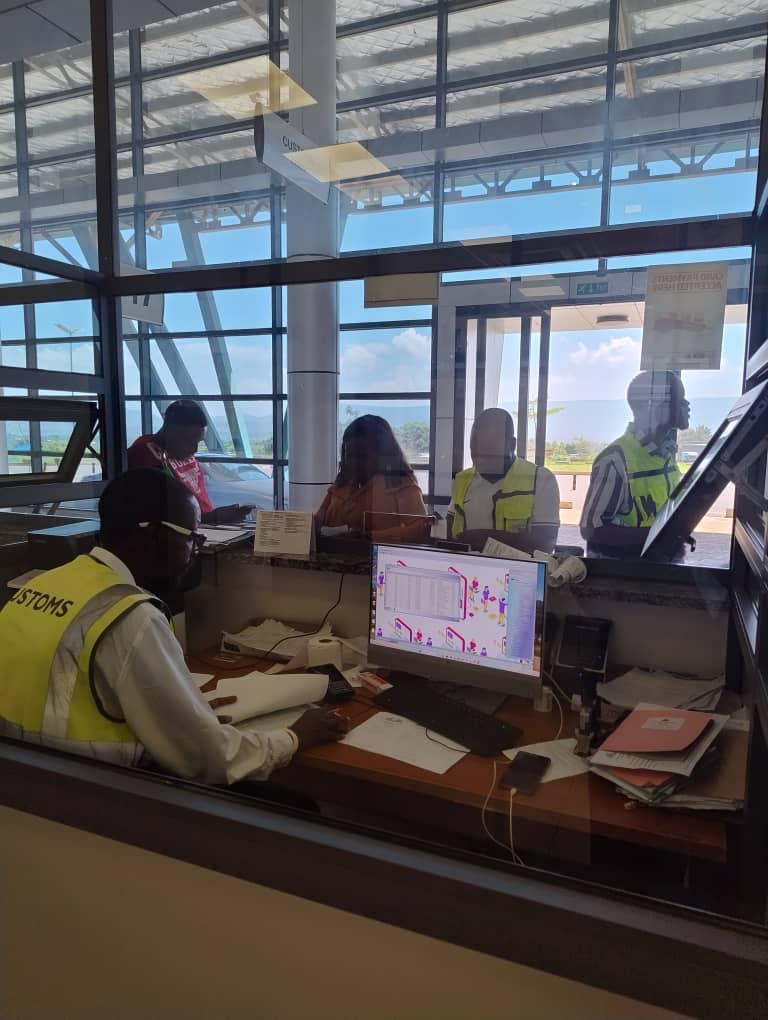
The rollout of the enhanced Customs-to-Customs Electronic Data Exchange (CCEDE) at the Mwami–Mchinji One Stop Border Post in November 2025 introduced real-time, system-to-system sharing of import and export data between the two administrations, replacing processes that had long relied on manual checks, duplicated paperwork and post-clearance reconciliation.
The switchover means customs officers on both sides of the border now operate from the same data set. Export declarations lodged in one country are automatically visible to the other, populated through the Unique Consignment Reference and authenticated through secure machine-to-machine links. As a result, verification is faster, discrepancies are fewer and traders face reduced requirements to resubmit documents at different stages of the clearance process.
Zambia’s customs authority said the data exchange strengthens its ability to detect risks earlier in the clearance cycle, enabling officials to identify potential undervaluation, false declarations or smuggling before goods reach the border, rather than after they have entered the market. This approach, officials noted, improves enforcement outcomes without introducing additional physical checks that could slow legitimate trade.
“The system enables real-time data exchange between the two customs authorities, with improved security and greater data accuracy, reducing manual errors and inconsistencies,” said ZRA Commissioner for Customs Services, Ernest Sigande. “It also enhances enforcement capability through early detection of false declarations, undervaluation and smuggling risks.”
Cooperation between the two authorities on customs data exchange began under Phase I, prior to 2022, when electronic information was shared for reference purposes without being integrated into core customs systems. Phase II marked a further step forward by enabling the electronic exchange of export and import data, including the automatic population of declarations through the Unique Consignment Reference, improving accuracy, transparency and efficiency in customs processing.
The Malawi Revenue Authority described the live exchange as both a revenue and planning tool, alongside its trade facilitation role. “The most critical achievement is the introduction of system-to-system authentication and a hybrid data access model, which ensures that the revenue administrations can always access information required for critical decision-making on revenue mobilisation and the facilitation of legitimate trade at the Mchinji–Mwami border and beyond,” the authority said. It added that enhancements to ASYCUDA had improved real-time data exchange, strengthened enforcement and supported earlier identification of incorrect declarations, enabling customs teams to plan in advance for emerging risks.
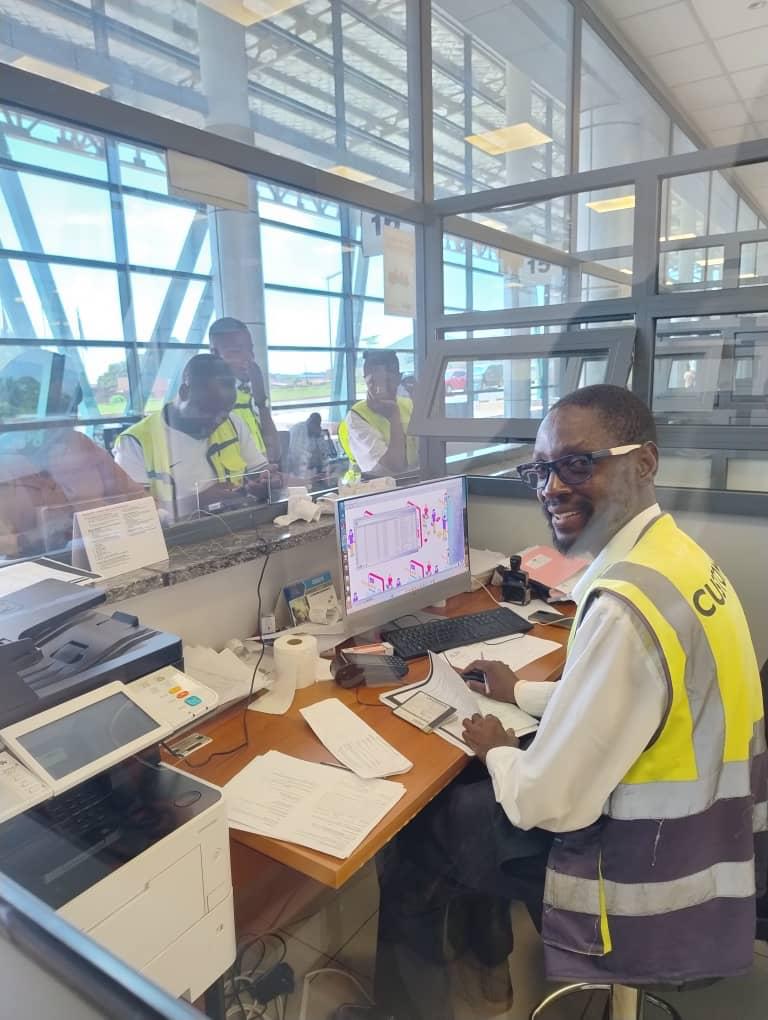
The initiative builds on earlier cooperation that allowed customs authorities to share information for reference only. The latest upgrade integrates that data directly into national customs systems, closing gaps that previously allowed inconsistencies to persist across borders.
The Mwami–Mchinji corridor was selected as the launch point because of its strategic importance to regional trade, linking Malawi to Zambia’s transport networks and onward to ports serving Southern and Eastern Africa. Delays at this crossing typically translate into higher costs for traders and transporters, particularly those moving agricultural and consumer goods.
TradeMark Africa, with support from the UK Government, worked with both revenue authorities on system development, testing and deployment. The approach focused on interoperability rather than replacing existing customs platforms, allowing both administrations to modernise while retaining control over their national systems.
“As TradeMark Africa, we reaffirm out commitment to continuing the good working relationship with both Zambia’s and Malawi’s revenue authorities to ensure that reforms and modernisation projects planned to support facilitation of legitimate trade are realised. This milestone reflects our shared commitment to leveraging digital technology as catalyst for reducing the time and cost of doing business,” TMA Southern Africa Regional Director, Hope Situmbeko, said.
This is also part of a wider regional effort by the revenue authorities of Malawi, Mozambique, Zambia and Zimbabwe to fast-track plans that will interconnect their customs systems and exchange data in real time to expedite border clearance of goods, lower costs for traders, increase government revenues and deter illicit flow of goods across borders.