
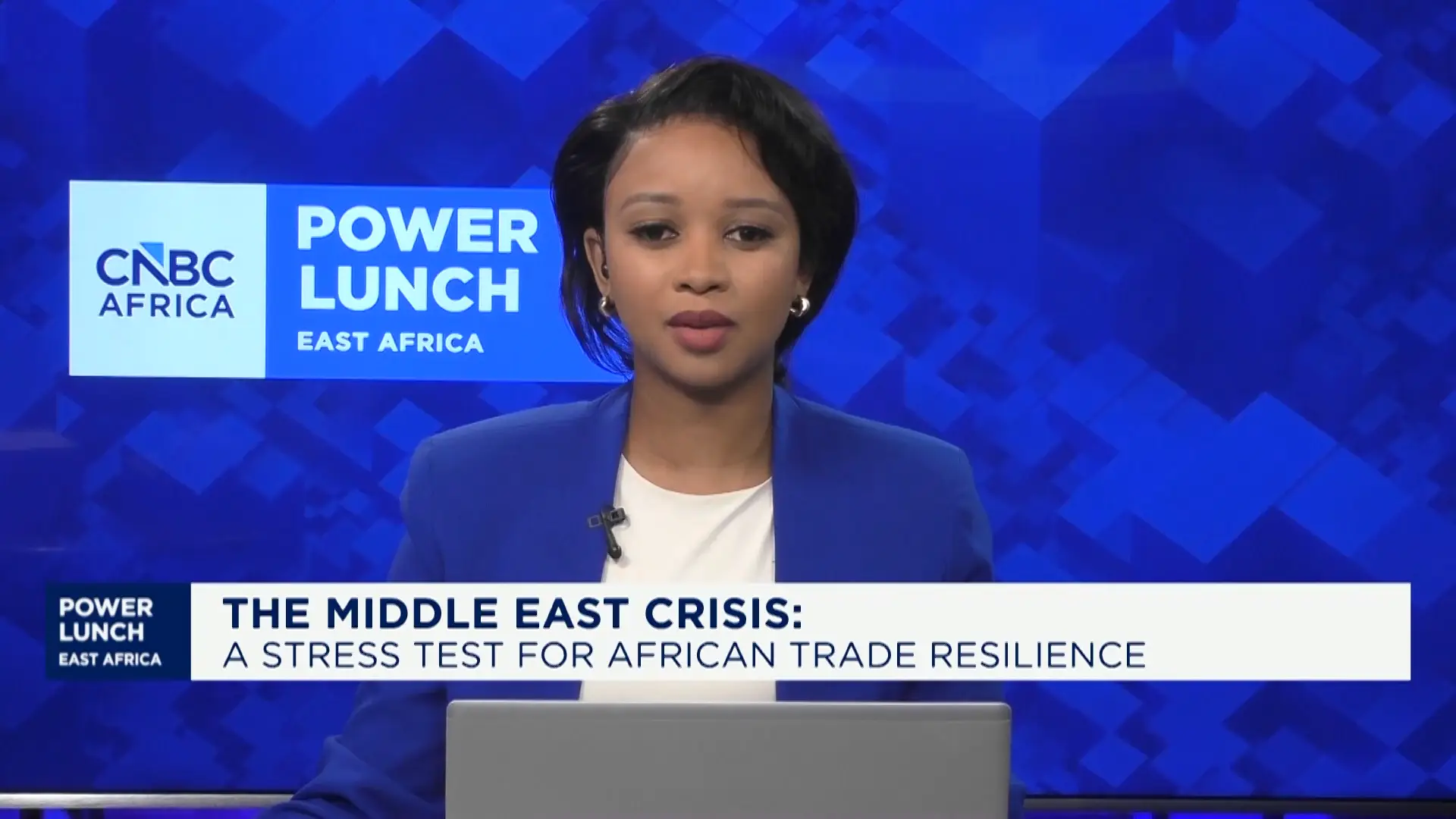
The escalating Middle East crisis is emerging as a major stress test for Africa’s trade resilience, disrupting supply chains across the continent while also creating a potential opening for key ports in East and Southern Africa to capture more maritime traffic.
With shipping once again diverting around the Cape of Good Hope amid the strategic closure of the Strait of Hormuz, African economies are facing a mixed picture: southern ports such as Durban and Cape Town are benefiting from a rise in vessel calls and bunkering demand, while many countries across the continent are contending with rising fuel costs, delayed imports of essential goods and sharply higher logistics expenses.
In an interview, Allen Sophia Asimwe, Deputy CEO and Chief of Programs at Trademark Africa, said the current shock is already exposing vulnerabilities in Africa’s supply chains, even as it highlights the continent’s longer-term strategic potential as an alternative trade route.
“This is a very pertinent and timely conversation,” Asimwe said, describing the fallout as both a threat and an opportunity. “Looking at the immediate aftermath of the conflict, we are seeing shortages in critical supply chains already starting to hit various aspects.”
She said fears are building around fuel availability and around commodities that traditionally move through Middle Eastern channels, adding that even development programs are being affected by delays and disruption.
Still, Asimwe argued that the broader picture could be promising for Africa, particularly for East Africa, if governments and logistics players move quickly to address long-standing operational bottlenecks.
One of the clearest examples, she said, is Kenya’s port of Lamu, where traffic has risen dramatically in recent days. According to Asimwe, the port has seen traffic increase by more than 900%, underlining how geopolitical disruption can suddenly elevate the importance of underutilized African infrastructure.
Lamu, part of the Lamu Port-South Sudan-Ethiopia-Transport (LAPSSET) corridor, has long been viewed as a strategic asset for the region. Asimwe said Trademark Africa previously worked with the port and the corridor to move a large fertilizer consignment into Ethiopia. While the effort faced operational challenges, Ethiopia was still able to secure a significant share of fertilizer supplies for its southern regions.
That experience, she said, demonstrated that the opportunity was always present, but current geopolitical tensions have now created urgency.
“It’s exciting news, but a lot of hard work is needed from us to deliver on sustaining this port as a key port of destination,” she said.
The interview also highlighted a broader structural question for African trade policymakers: whether the continent can position itself as a genuine long-term alternative in global shipping networks, rather than merely benefiting from occasional crises elsewhere.
Asimwe pointed to lessons from the Red Sea disruptions over the last two to three years. During that period, Trademark Africa, together with the European Union and the Kenyan government, worked on shifting some of Kenya’s export model from air freight to sea freight, particularly for horticultural products such as flowers and fresh beans.
The move was driven partly by changing consumer preferences in Europe, where buyers are increasingly favoring products transported with a lower carbon footprint. Kenya’s horticultural exports have historically relied heavily on air cargo, often using passenger aircraft belly space through Kenya Airways. But maritime options were expected to become more important, especially via Red Sea routes.
That strategy was upended by insecurity in the Red Sea, forcing shipments to move instead around the Cape of Good Hope. While the produce is still reaching Europe in acceptable condition, Asimwe said the experience has underscored the need for stronger cold-chain systems, multimodal transport networks and better route diversification.
For African ports to capitalize on rerouted trade in a durable way, she said, investment is needed not only in physical infrastructure but in the systems that determine time, reliability and cost. That includes more efficient transfer between ship, rail and road, as well as stronger logistics planning across borders.
A central issue is scale. Shipping, Asimwe said, is “a volumes game.” Africa must aggregate cargo across markets in order to attract commercially viable vessel services. In East Africa, that means combining export volumes from countries including Kenya, Uganda and Rwanda so that shipments become large enough to justify dedicated maritime services.
She said discussions are underway with shipping lines around using smaller 1,000-container vessels that may be better suited to African trade flows, rather than relying solely on the massive ships that dominate larger global lanes.
Policy coordination will also be critical. Asimwe said the African Continental Free Trade Area offers an important framework to consolidate trade and reduce friction across the continent, but implementation needs to move faster. Harmonization among regional blocs such as the East African Community, SADC and COMESA, as well as action on non-tariff barriers and border delays, will be essential if African products are to remain globally competitive.
That is especially important as exporters face competition from markets such as Chile and Ecuador, which have refined long-distance shipping models, and from South Africa, which is already comparatively competitive within Africa.
Digitalization, Asimwe said, could become one of the strongest de-risking tools available to the continent. She pointed to the AfCFTA’s digital trade protocol and said Trademark Africa is working to support implementation through systems designed to improve transparency, trust and efficiency.
One of those systems is a Trade Logistics Information Pipeline, a blockchain-based platform intended to ensure that trade documentation can be verified securely and quickly by exporters, customs agencies and destination markets.
“If you receive documents from a Bureau of Standards or from an airway shipping bill that you cannot trust, you’re not going to get these goods through,” Asimwe said. “Trade is really all about trust.”
She added that digital tools can sharply reduce repeated inspections and administrative friction. In East Africa, work is already underway to integrate image scanning systems across Kenya, Uganda and Rwanda so that cargo scanned in Mombasa does not have to be rescanned at each border. Smart borders, smart corridors, green lanes and smart gates at ports such as Mombasa and Dar es Salaam are also part of that effort.
The current crisis, in Asimwe’s view, may ultimately prove to be more than just another external shock. If African governments, ports and private operators can turn short-term disruption into long-term reform, the continent could emerge with more resilient trade corridors and a stronger role in global shipping.
For now, however, the picture remains finely balanced: a boom for some ports, but higher costs and fresh strain for businesses and consumers across much of Africa.
Disclaimer: The views expressed in this article or report do not necessarily reflect those of TradeMark Africa (TMA).
Read the original article at: The Middle East crisis: A stress test for African trade resilience