

Dar es Salaam, Tanzania, 19 December 2025 – Digital finance now reaches 95% of women and youth traders in Tanzania. Yet for many, access has not translated into security or growth. Fewer than one in ten use digital savings or credit, leaving most small trading businesses exposed to shocks and short of capital, despite operating in one of Africa’s most advanced mobile-money markets.
A new study commissioned by TradeMark Africa (TMA), with funding from the Gates Foundation, and conducted in partnership with the Tanzania Women Chamber of Commerce (TWCC) and the Financial Sector Deepening Trust (FSDT), shows that Tanzania’s financial inclusion challenge has shifted. Access is no longer the binding constraint. The real test is whether digital financial services help traders save securely, borrow affordably, and build resilience over time.
For many traders, trust determines whether digital finance becomes a tool for growth or a risk to avoid. The study finds that product design, affordability, and confidence in digital platforms are the main barriers to meaningful use. More than 25% of traders report losing money through fraud or failed transactions, experiences that undermine confidence and discourage uptake. Traders who trust digital services are five times more likely to use savings and credit products.
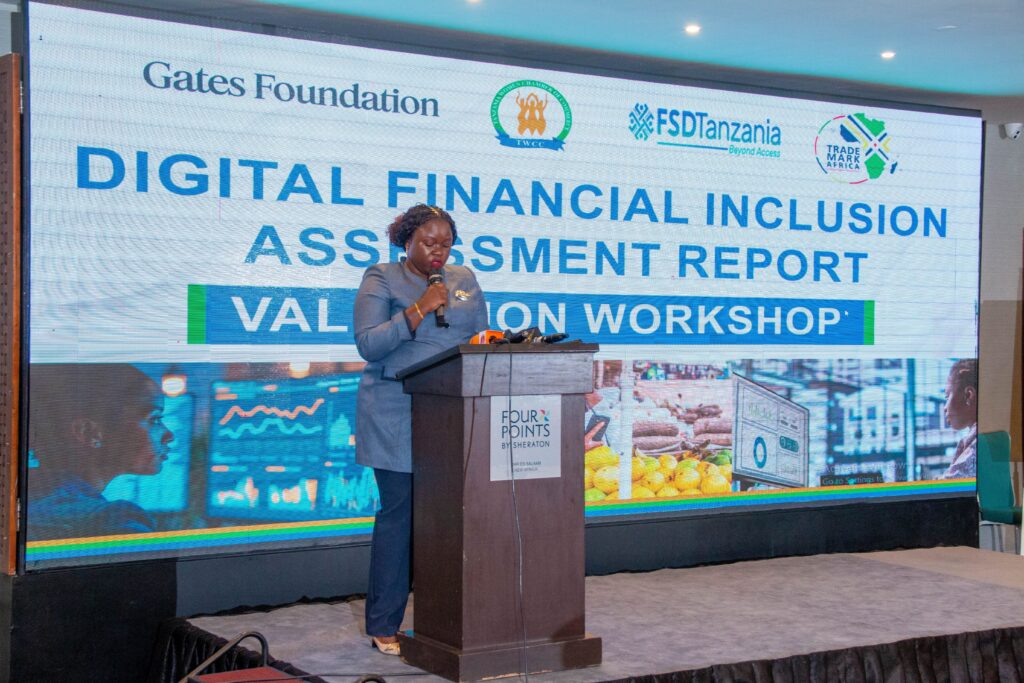
Speaking on behalf of the Government, Minister for Industry and Trade, Hon. Judith Kapinga, said the findings reinforce Tanzania’s policy direction on inclusive growth and enterprise development. “As we advance our industrialisation and trade agenda, digital finance must support productive enterprises and enable small businesses to participate meaningfully in formal markets. This evidence sharpens how financial inclusion reforms can better serve women- and youth-led traders,” she said.
She added that the Government is focused on ensuring digital finance delivers practical outcomes. “Our priority is to align financial inclusion measures with trade and industrial policy so that access to finance translates into business growth, resilience, and job creation,” she added.
Speaking at the validation workshop, the TWCC Executive Director Dr. Mwajuma Hamza said the findings reflect the realities facing women and youth traders across the country. “Women and youth traders are already operating digitally, but the financial system is not designed around how they earn, save, and invest. For digital finance to support real business growth, products must be flexible, affordable, and trustworthy,” she said.
She added that access alone is no longer sufficient. “This evidence shows clearly that inclusion must now be measured by outcomes – whether traders can manage risk, build savings, and grow their enterprises over time,” she said.
Executive Director of FSDT, Eric Massinda, said the findings underline the need to rethink how progress on financial inclusion is assessed. “Tanzania has made significant strides in expanding digital access, but inclusion must be judged by what it delivers for businesses. This study provides a clear pathway for converting mobile-money reach into resilience, income stability, and growth for traders,” he said.

Speaking at the same forum, TMA’s Regional Director for East and Central Africa, Dr Monica Hangi, said that while digital finance has transformed how money moves across markets, access alone does not guarantee economic inclusion. “The real measure of digital finance is whether it enables women and youth traders to manage risk, build savings, and access capital in ways that align with how their businesses actually operate. That is where sustainable development impact begins,” she said.
The study also highlights persistent structural barriers. Although 79% of traders hold savings accounts, most use them only for transactions, with many continuing to save at home due to irregular incomes, unclear fees, and low confidence in digital products. Credit options exist, but high interest rates deter 31% of youth traders, while collateral requirements continue to exclude many women-led enterprises.
Gender and mobility constraints continue to shape outcomes. 10% of women traders require a partner’s permission to transact, while 42% face restrictions on travelling to financial agents.
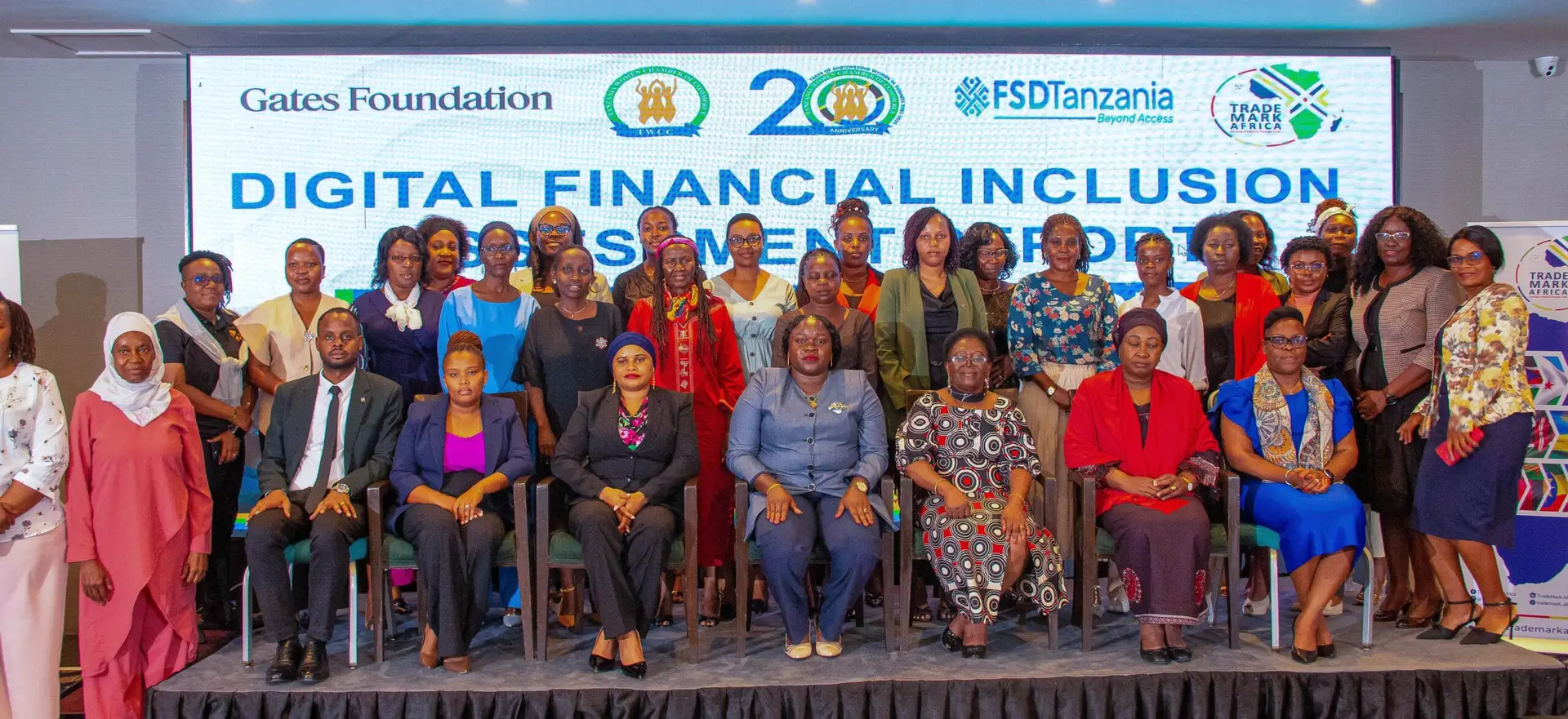
The study’s findings were validated through a multi-stakeholder workshop convened by TMA in collaboration with TWCC and FSDT, bringing together regulators, financial-service providers, private-sector actors, and development partners.
Based on the evidence, TMA recommends reforms to convert digital access into economic value, including accelerated tiered and assisted know-your-customer processes, standardised disclosure through core-facts statements, strengthened consumer protection and agent quality, and expanded credit models based on transaction histories rather than physical collateral. The recommendations align with Tanzania’s National Financial Inclusion Framework III (2023–2028) and international practice.
Tanzania’s digital economy continues to advance, and digital finance has reached traders at scale. The next step is ensuring it delivers financial security, business growth, and opportunity for the women and youth who sustain local markets and employment.