

When Adeline Mukayirere first received an international order for her horticultural produce in 2024, after attending market linkage exhibitions including the Rwanda-UK Trade Mission in Kigali, Rwanda and the Fruit Attraction in Spain, she was over the moon. It was the kind of opportunity she had long hoped for and a chance to see her farm’s produce reach markets beyond Rwanda’s borders.
What she did not anticipate was how demanding global markets can be. The European buyer’s condition was clear. Mukayirere’s farm had to be certified under Global G.A.P., an international standard for good agricultural practices (GAP). Without it, her produce could not be accepted.
What began as a promising business deal quickly turned into a hard lesson in the realities of international trade, Mukayirere, 42, recalls. Her company, DAVET Ltd, based in Kamonyi District in Rwanda’s Southern Province, grows maize, green beans and peppers.
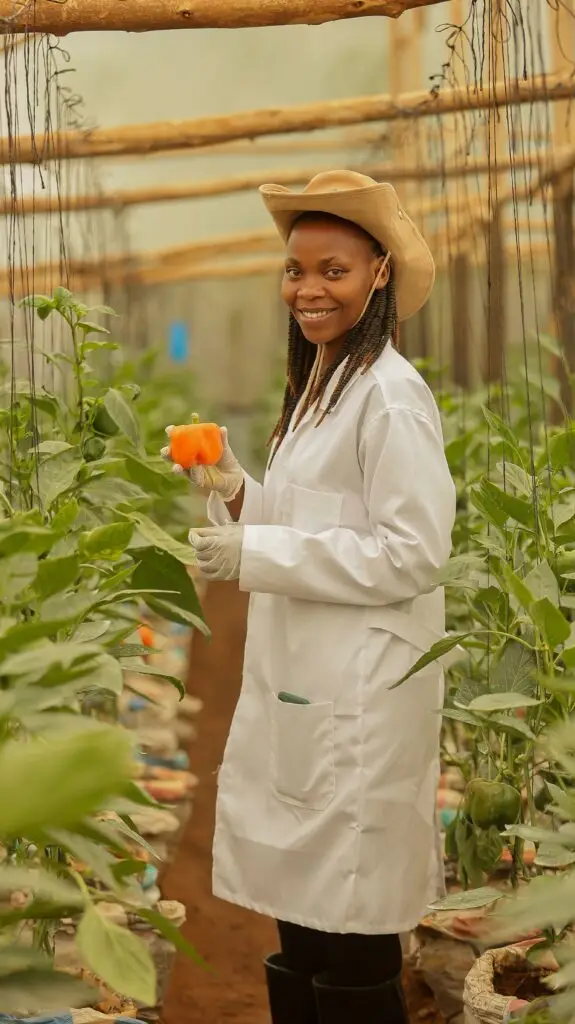
“I received several offers to supply green beans and peppers to buyers in the UK, China and other markets, but I could not meet any of the orders because my farm lacked the required certification,” she said.
A UK-based buyer was ready to take 800 kilogrammes of green beans each week. A Chinese importer sought a full container of peppers every season. A Dutch company wanted a tonne of peppers weekly. For Mukayirere, these orders represented better livelihoods for her workers and a pathway to business growth. Yet, without certification, they all slipped away.
Founded in 2015, DAVET Ltd employs nine permanent staff and 117 casual labourers, 70% of whom are youth and 80% women. The company also works with five horticulture cooperatives
For years, however, the farm struggled with poor record-keeping, disorganised storage, improper fertiliser application, and limited knowledge of international food safety standards. The turning point came through the Value-Added Initiative to Boost Employment (VIBE), implemented by TradeMark Africa (TMA) and the International Trade Centre (ITC) in partnership with Mastercard Foundation and the Government of Rwanda. The programme equips Rwandan micro, small and medium enterprises with the skills and resources needed to compete in international markets.
Today, the transformation at DAVET Ltd is evident. Across its nine hectares of integrated horticulture production, operations are orderly and clearly structured. Designated areas, namely, seed stores, fertiliser storage, spraying rooms, changing rooms, grading sheds and crate storage, are all clearly labelled.
Strict protocols are in place. Phones are prohibited in certain areas, jewellery is not allowed in production spaces, and emergency contacts are prominently displayed.
With support from VIBE, DAVET underwent a training in Good Agricultural Practices, covering everything from farm preparation and pest control to harvesting and post-harvest handling. The programme also provided financial support for audit costs and access to technical experts who guided the farm through the certification process.

“They trained us to farm professionally, to document every activity, select quality seeds, and protect crops from disease,” Mukayirere said. “We also learned the importance of safe storage and having designated areas for fertilisers and chemicals. Today, our farm is well-structured and professionally managed, our records are up to date, and we are fully prepared to meet international requirements.”
In November 2025, DAVET successfully completed its audits and obtained Global G.A.P. certification.
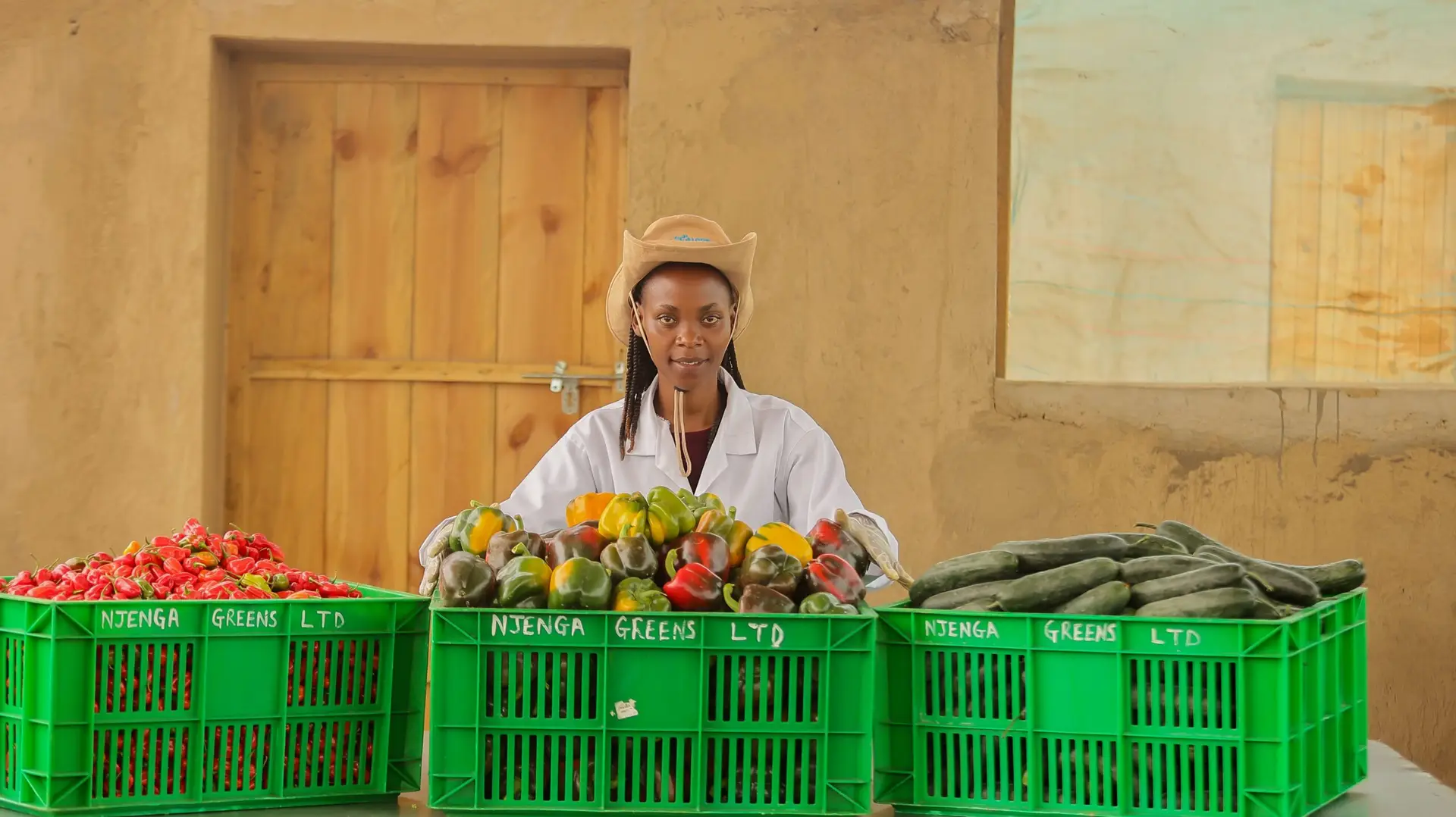
DAVET’s story is part of a broader shift. Across Rwanda, more than 200 small enterprises have benefited from TMA’s support in adopting good agricultural practices, with at least 50 currently on track to receive certification. Among them is Njenga Greens Ltd in Bugesera District. Its 32-year-old co-founder, Verena Iragena, says lack of recognised food safety standards locked them out of international markets.
“Our main challenge was access. Without recognised standards, we simply could not enter global markets,” she said.
With TMA’s support, Njenga Greens has completed training, soil and water testing, sprayer safety analysis and audits. The company is now preparing to export habanero, cucumbers, capsicum and other vegetables directly to international buyers.
“Global G.A.P. opens the door to premium markets, better prices and long-term partnerships. Beyond revenue, it creates jobs for youth and women, improves packaging and logistics, and strengthens quality assurance,” Iragena said
The company currently employs 25 workers and plans to expand its workforce once certification is finalised
According to Antoinette Mbabazi, Acting Director General at the Rwanda Inspectorate, Competition and Consumer Protection Authority (RICA), certification goes beyond market access as compliance drives employment.
“Being quality certified increases customer confidence and facilitates entry into local, regional and international markets. Meeting standards requires skilled personnel, which creates jobs. At the same time, consumers are assured that what they buy is safe and of high quality,” she said
The experiences of DAVET and Njenga Greens reflect a wider on-going effort to unlock the barriers that keep smallholder farmers out of export markets. Certification often requires technical expertise and financial investment that many enterprises cannot manage alone. Even so, certification marks only the beginning. Both enterprises recognise that the real test lies in maintaining standards over time.
Njenga Greens has established a compliance team responsible for record-keeping, conducts regular staff training and monitoring farm practices
“We are setting aside part of our revenue from premium sales to cover future audits and certification. For us, sustainability means making compliance part of everyday operations,” Iragena said.
Mukayirere shares the same outlook. “What we have learned is not just for today. We want to maintain quality, expand production and serve as a model farm for others