

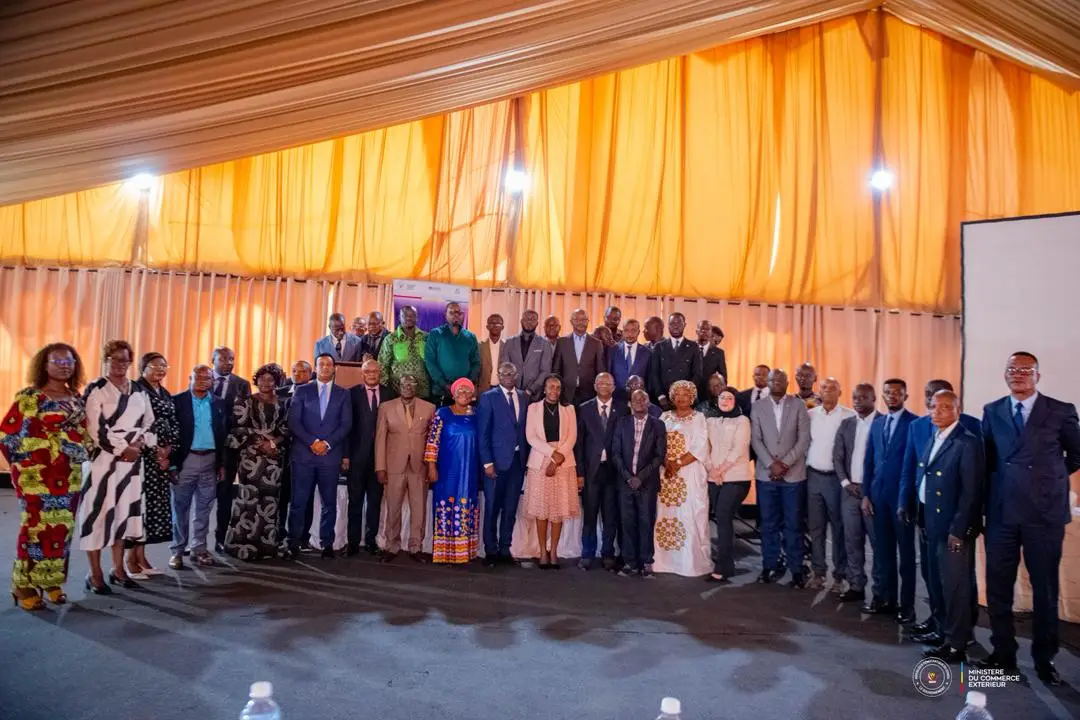
Mozambique and Zimbabwe have taken steps to better coordinated and predictable cross-border trade following a bilateral meeting to advance the establishment of a Joint Border Committee (JBC) at the Forbes–Machipanda crossing, a key gateway on the Beira Corridor.
The two-day meeting, held in Mutare, Zimbabwe, on 19-20 March 2026, brought together about 70 delegates from border agencies, trade ministries and the private sector. The discussions focused on agreeing a structured mechanism to improve coordination, address operational bottlenecks and strengthen trade facilitation at the crossing.
Forbes–Machipanda links inland economies in Southern Africa to the Port of Beira in Mozambique, making it a critical node in regional and international trade flows. Inefficiencies at the crossing have a direct impact on transport costs, delivery timelines and the competitiveness of goods moving along the corridor.
The meeting highlighted a key challenge, noting that border reforms often remain fragmented, with agencies operating in silos and coordination between neighbouring countries largely reactive. The stakeholders emphasised that continuous improvements in border performance require institutionalised coordination. The proposed JBC will provide that platform, bringing together public and private stakeholders to jointly identify, prioritise and resolve operational challenges. The JBC, to be co-chaired by both countries and supported by a joint secretariat, will coordinate border agencies, oversee joint work plans, simplify procedures and promote more efficient operations.
“The proposed Joint Border Committee is intended to move the two countries away from parallel border management systems towards a coordinated approach based on information sharing, aligned procedures, joint risk management and structured bilateral cooperation,” said Hope Situmbeko, TradeMark Africa (TMA)’s Regional Director for Southern Africa. “Like other trade corridors, the Beira Corridor is only as efficient as its weakest link. Strengthening coordination at this crossing will improve predictability for traders, reduce costs and reinforce the competitiveness of the corridor.”
The meeting further highlighted that persistent non-tariff barriers along the corridor, including cumbersome procedures, administrative delays and transport constraints, continue to slow cargo movement and increase the cost of trade. Discussions also underscored the importance of inclusive trade especially targeting small scale information cross border traders. These traders, most of them women, face complex procedures and limited access to information, compounded by the absence of a Simplified Trade Regime between the two countries.
Participants further considered a broader reform agenda, including customs-to-customs data exchange, harmonisation of procedures and plans to establish a One Stop Border Post.