

When Rose took early retirement more than 30 years ago, she did not set out to join Kenya’s export economy. She simply wanted to make her farm work, because for a long time, it did not. The challenge was growing mangoes in a way that consistently met market expectations, and getting them to market before pests, middlemen or time eroded their value
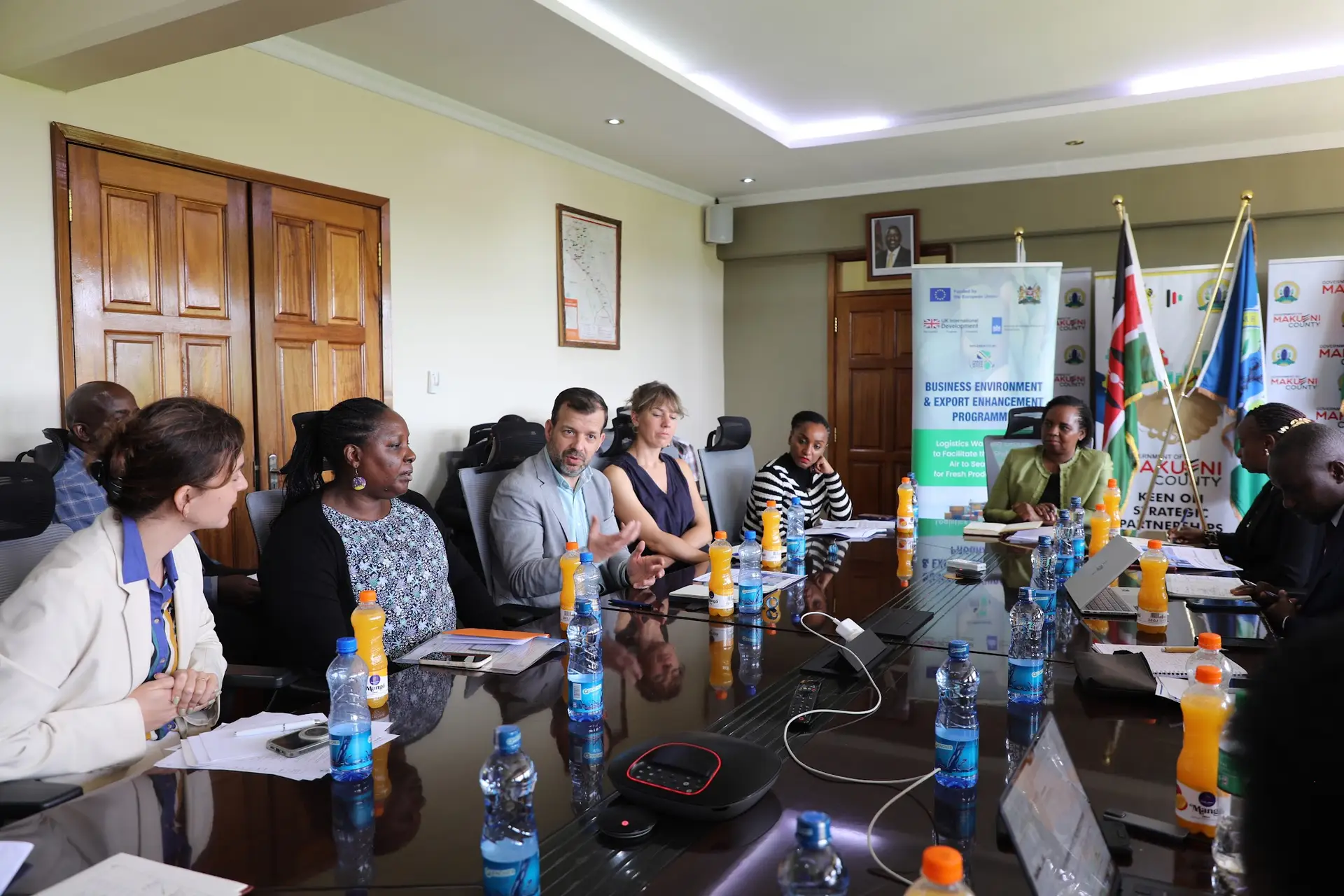
On her farm in Makueni County, a major mango-producing region in Kenya, Rose manages more than 800 mango trees. Like many smallholders, she spent years navigating a system that rewarded neither quality nor effort, where a significant share of produce was lost or sold at low prices. Today, however, a more structured system is beginning to take shape. Through interventions implemented by TradeMark Africa, with support from the European Union, the Netherlands, Sweden and the United Kingdom, farmers are being trained, organised, linked to markets with greater consistency, and supported towards certification.
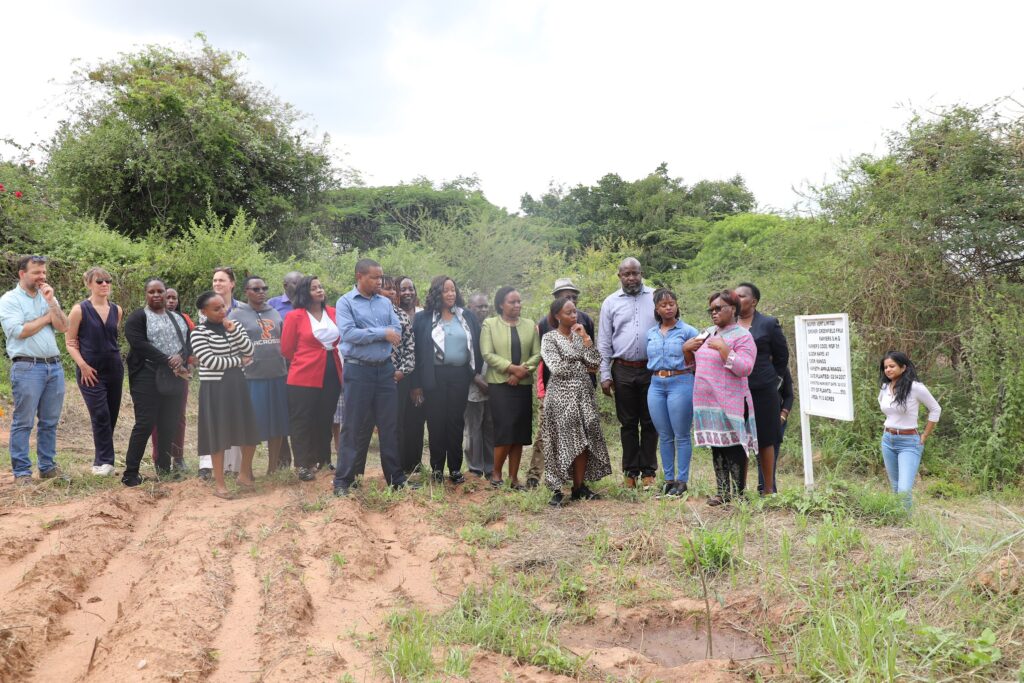
A visit to Rose’s farm makes the shift visible. Fruit fly traps are now a regular feature across the orchard, and good agricultural practices guide day-to-day farm management. The results, as she describes them, are straightforward: lower losses, improved quality, and more reliable market access. In 2025 alone, over 7,000 farmers supported through the programme exported 4,896 metric tonnes of mangoes valued at $5.34m. For farmers like Rose, the shift is tangible, with fewer losses, more reliable buyers, and payments that arrive on time.
Much of this progress begins at the farm level. Training in Good Agricultural Practices and GlobalG.A.P. standards has introduced a level of discipline that was previously uneven, including how to spray, when to harvest, and how to handle produce safely. These changes have improved quality and reduced losses, while also positioning farmers to meet the requirements of higher-value markets.
Production, however, is only one part of the story. Compliance must extend beyond the farm. Exports depend on how food is grown, and equally on how it is handled, aggregated and transported, and this is where current efforts are increasingly focused.
Between farm and market lies what might be called a “missing middle”: aggregation systems, cold-chain infrastructure, grading facilities, and transport coordination that ensure produce arrives in export condition. This has long been a constraint, but it is now becoming a priority area for investment. The Kibwezi packhouse, currently under development, is expected to provide a first-mile aggregation point where fresh produce can be sorted, graded and prepared closer to the farm. By improving handling and consistency, such infrastructure strengthens Kenya’s ability to meet export market standards.

For Rose, the change is already visible. Losses are lower, buyers are more predictable, and farming is beginning to make economic sense. What is taking shape in Makueni is an improvement in production, alongside a gradual strengthening of standards, systems and market linkages across the value chain. If this momentum is sustained, the changes now visible on farms like Rose’s can translate into a more competitive and reliable export system for Kenya.