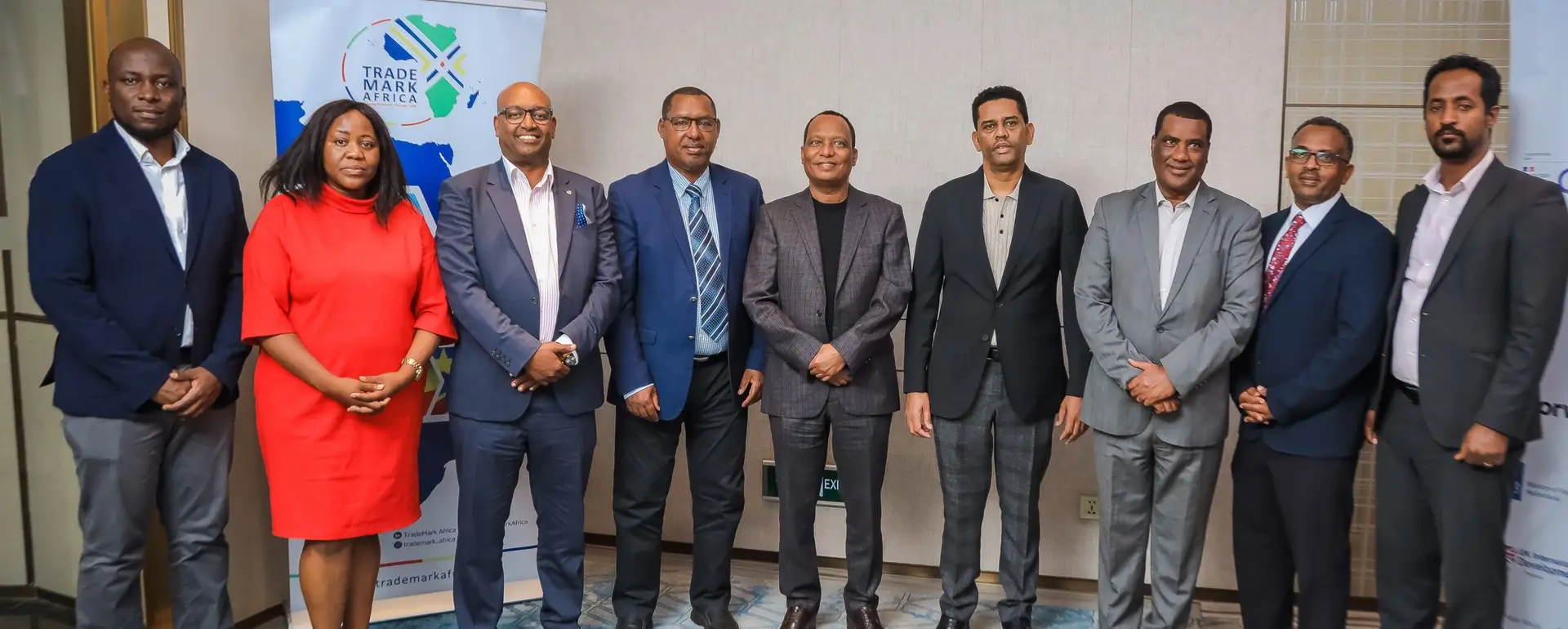
Addis Ababa, Ethiopia, 5 March 2026: Government officials, private sector leaders and development partners convened today for the 9th National Oversight Committee (NOC) meeting of TradeMark Africa’s Ethiopia Country Programme. The NOC, chaired by a senior government representative, guides the programme’s strategic direction and provides a platform to assess progress on trade and logistics reforms, identify emerging challenges and agree on priority actions.
The meeting was led by H.E. Dr Alemu Sime, Minister of Transport and Logistics, who emphasised the need for sustained collaboration to enhance the performance of the Djibouti-Ethiopia corridor.
“The Djibouti-Ethiopia corridor carries the vast majority of our trade. Every improvement along this route matters for Ethiopian businesses, exporters and logistics operators. Strengthening coordination, improving logistics services and modernising systems will make trade more predictable and support the country’s economic growth. We appreciate the support of our partners, through additional investment will be required to scale up e-commerce and further streamline systems in the energy sector, particularly within the petroleum industry,” he said.
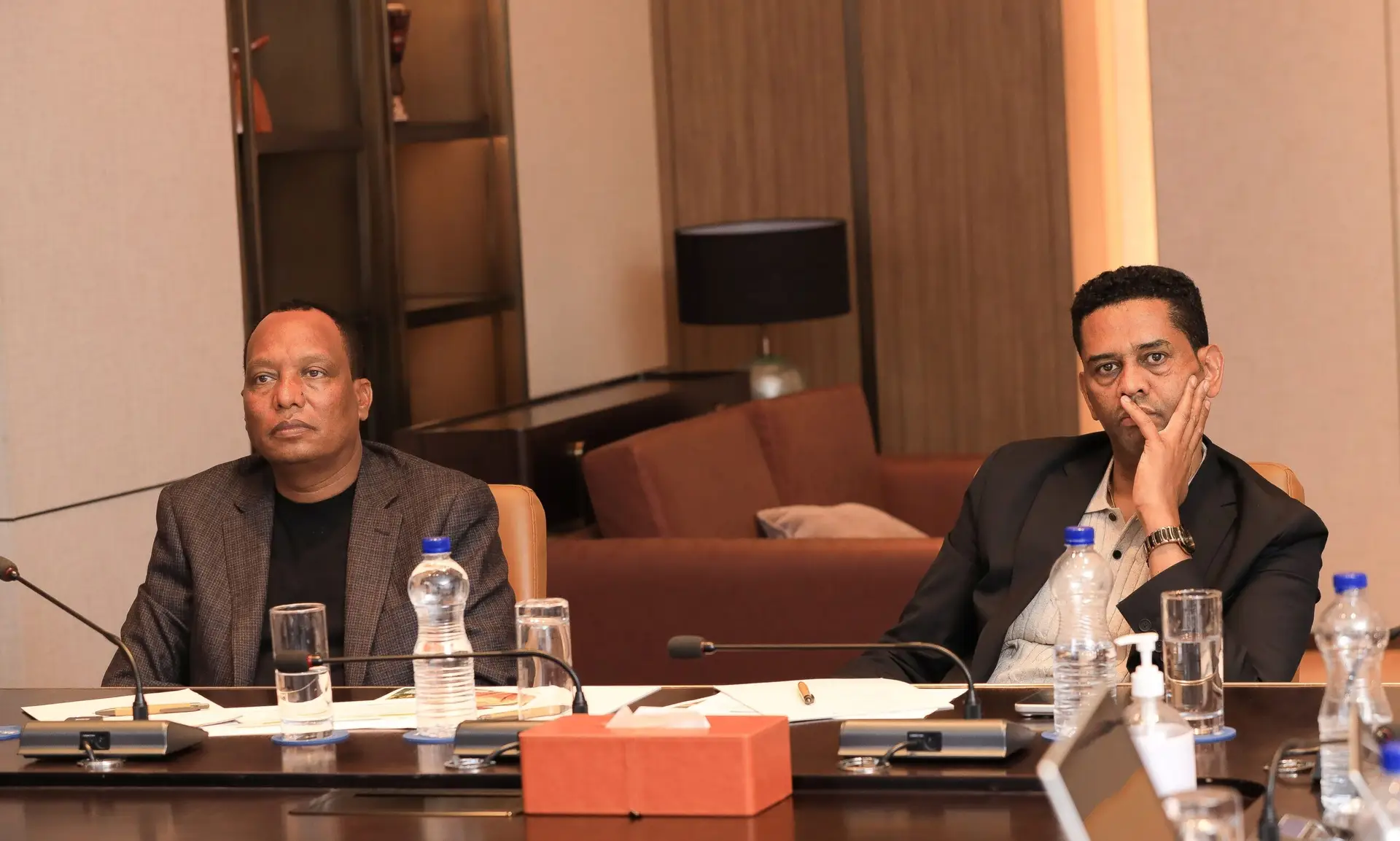
Ethiopia’s Minister of Trade and Regional Integration, H.E. Dr Kasahun Gofe echoed this ambition, emphasising the private sector’s stake in reform. “Trade reforms only deliver results when businesses can feel them on the ground. The progress we are making on digital trade systems, standards compliance and our WTO accession process is laying the foundation for Ethiopian exporters to compete in regional and global markets with greater confidence. We are committed to ensuring that policy reforms translate into real opportunities for traders and entrepreneurs across the country.”
This momentum comes as regional cooperation along the corridor deepens. Ethiopia recently joined Djibouti, South Sudan and Uganda in signing the DESSU Corridor Management Authority Agreement, establishing a framework for coordinated governance, logistics services and infrastructure planning. The corridor currently handles more than 95% of Ethiopia’s imports and exports, making its efficiency critical for the broader economy.
Participants reviewed progress across programme areas, including the rollout of the electronic phytosanitary certification platform (ePhyto), now integrated with the International Plant Protection Convention hub, the Ethiopian Single Window and the national payment gateway. Once fully operational, the system will allow exporters to obtain plant health certificates digitally, reducing administrative delays and improving market access.
The meeting also assessed efforts to strengthen sanitary and phytosanitary (SPS) systems, including new laboratory equipment and technical training to improve testing capacity and compliance with international requirements. Progress on AfCFTA readiness and WTO accession featured prominently, with technical experts continuing to support Ethiopia’s trade negotiations, member queries and the refinement of sectoral offers.
Jean-Francois Arnal, AFD Regional Director Eastern Africa, highlighted the importance of long-term investment. “Trade corridors function best when infrastructure, digital systems and institutions evolve together. Through the European Union’s investment delegated to AFD, we are supporting Ethiopia’s efforts to strengthen digital trade systems, logistics coordination and institutional capacity along the corridor- contributing to a more stable and reliable trading environment.”

Participants also endorsed findings from the UK-funded Horn of Africa Green Freight Corridor Study, which maps options for introducing electric freight solutions and reducing greenhouse gas emissions. The proposed roadmap and action plan were approved for implementation through the Ministry of Transport and Logistics.
Eugene Torero, TradeMark Africa’s Regional Director for the Horn of Africa and Rwanda, reinforced the value of institutional coordination. “When systems work well and institutions coordinate effectively, trade becomes more predictable. Our focus is to support governments and partners to strengthen these systems so businesses can move goods more easily and access new markets.”
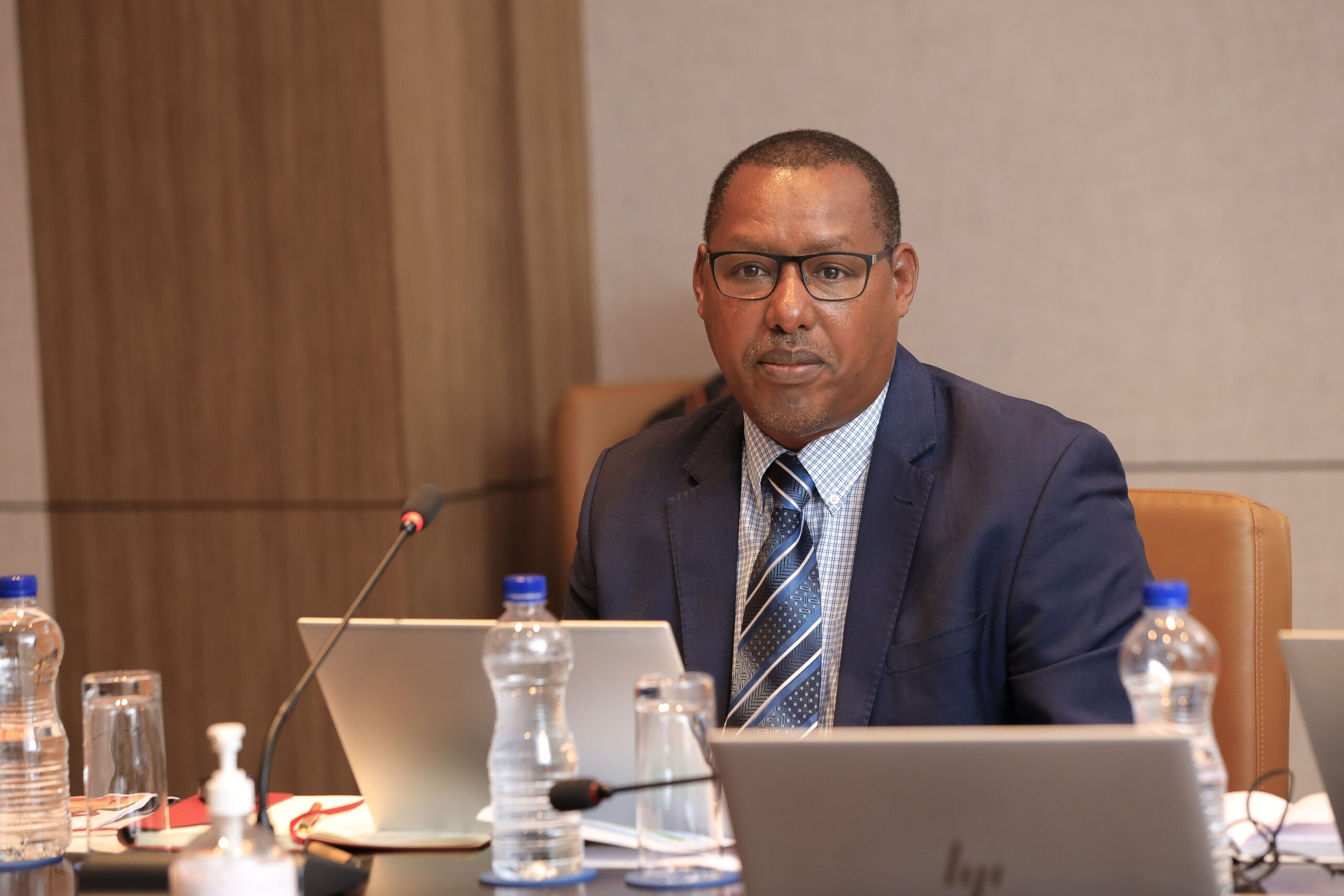
The meeting concluded with participants reaffirming their commitment to corridor performance and trade system reform. Preparations are underway for a Joint Ethiopia-Djibouti NOC meeting to deepen collaboration on corridor governance and logistics development.
TradeMark Africa’s Ethiopia Country Programme is funded by the EU through AFD, the Netherlands, Ireland, Sweden and the UK International Development.