

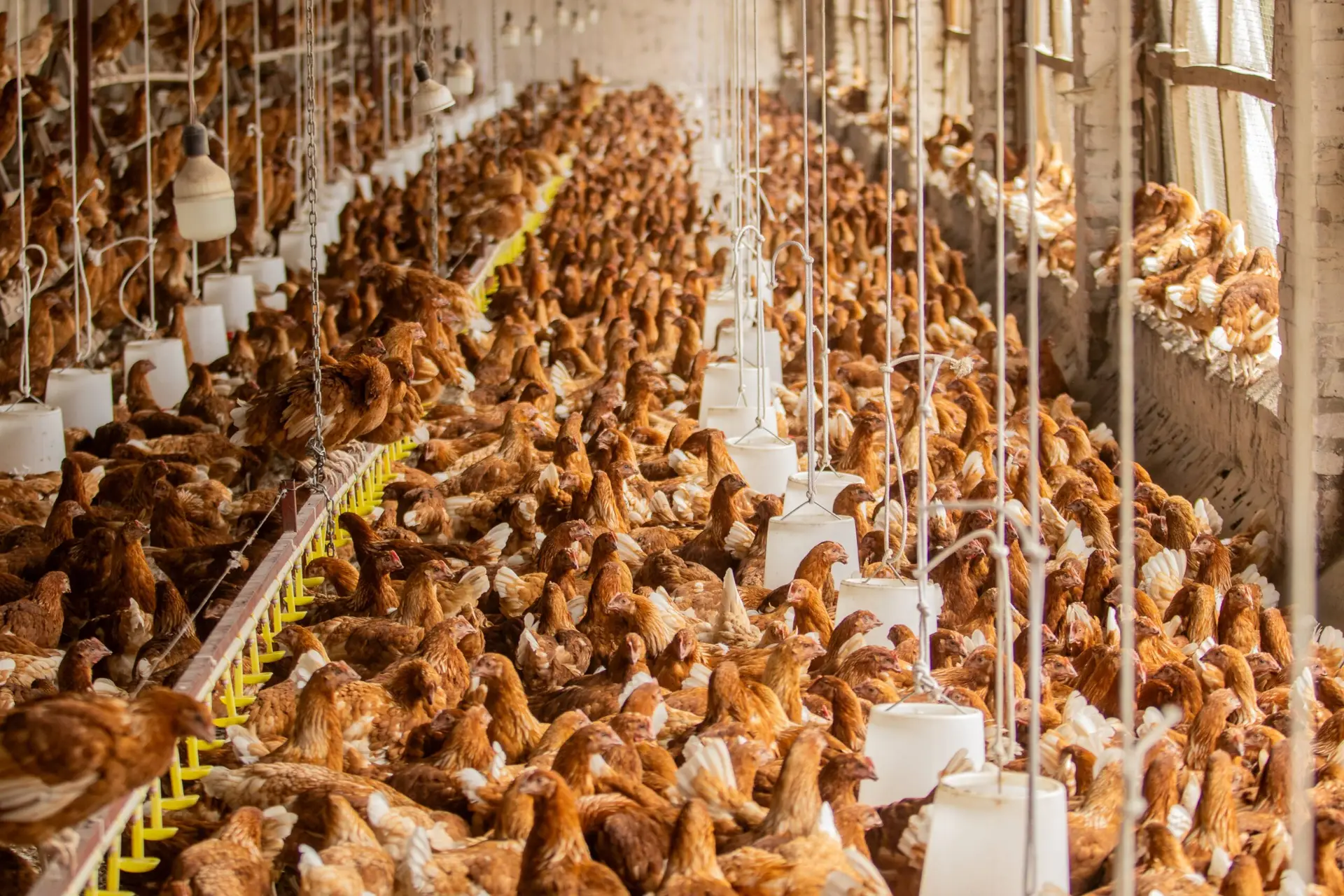
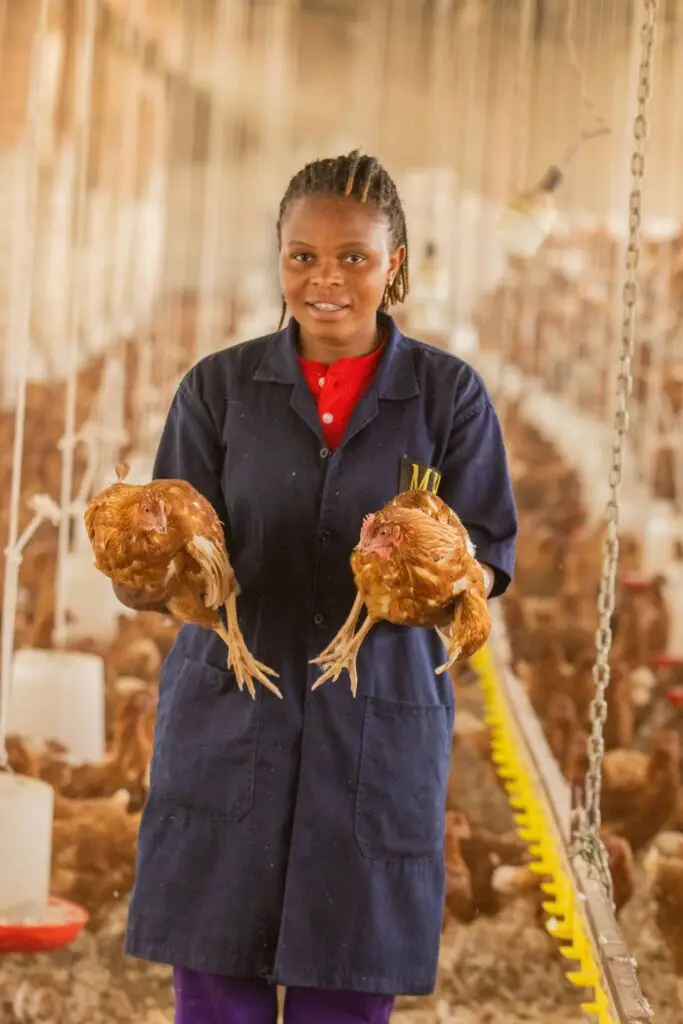
When Annoncée Nsengimana graduated in Irrigation and Drainage, she expected to build a career in crop production. Instead, her first professional placement took her to a poultry farm in eastern Rwanda, when the opportunity came through the Value-Added Initiative to Boost Employment (VIBE)’s Young Professionals Programme. She enrolled and found herself deployed to a poultry farm instead.
The 25-year-old now works at Mama Happy Farm Ltd in Bugesera District, managing flock health, monitoring feeding protocols, and ensuring strict biosecurity standards for more than 5,000 chicks. “I have always been passionate about farming. When TradeMark Africa (TMA) selected me and placed me at an egg-laying farm, I was thrilled,” she said.
She is among a growing cohort of young graduates placed in small and medium-sized enterprises (SMEs) across the country to support businesses to meet standards and compliance requirements, critical steps towards competitiveness in both domestic and export markets. This is part of the five-year VIBE Programme, jointly implemented by TMA and the International Trade Centre (ITC) in partnership with Mastercard Foundation and the Government of Rwanda. The initiative seeks to create jobs for women, youth, refugees and persons with disabilities by strengthening market access in horticulture, poultry, dairy and meat value chains. So far, 100 young professionals have been onboarded, with another 100 expected to join in 2026.
By supporting compliance with sanitary and quality standards, the programme equips Rwandan enterprises to supply safe products and access new markets. It is expected to create more than 43,000 jobs, with women accounting for 70% of these, contributing to Rwanda’s target of generating 250,000 jobs annually under the Second National Strategy for Transformation.
With the professional training, Nsengimana has developed skills in managing feed efficiency, maintaining vaccination schedules, reducing chick mortality and improving egg production. She has also cultivated a strong interest in certification systems that ensure the safety and quality of poultry products.
“At the university, I studied theory. Here, I apply that knowledge every day, from keeping proper records, ensuring biosecurity, to maintaining production that meets market standards,” she explains.
Her vision now is to become a poultry farming specialist and agribusiness manager, supporting farms such as Mama Happy to grow into certified enterprises to provide safe food and create jobs.
In Rubavu District, Philemon Imanizabayo, a 26-year-old Food Science graduate, is applying his skills at WhizUpp Ltd, a company producing nutritious beverages and fortified soups from local ingredients. Since joining in May 2025, he has designed standard operating procedures, trained staff in hygiene practices, and strengthened documentation required for S-Mark certification.
“The programme has allowed me to translate my Food Science background into tangible impact. I am proud to see how my work contributes to the company’s growth and competitiveness,” he says. Imanizabayo’s medium-term ambition is to become a professional food safety auditor. His long-term goal is to establish his own agri-processing enterprise to create value, support rural farmers, and contribute to Rwanda’s economic growth.
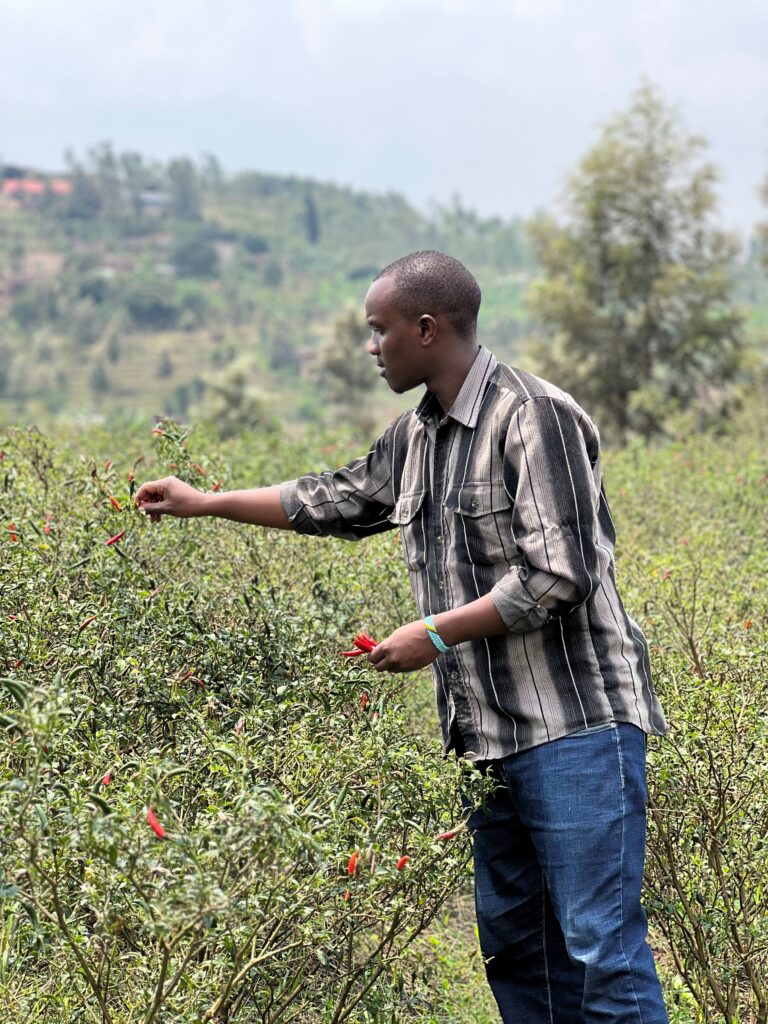
In Kamonyi District, Jean Claude Ishimwe, a 26-year-old Agricultural Engineering graduate, joined DAVET Ltd in the Plant Health Department. With support from VIBE, he contributed to the company’s successful attainment of Global G.A.P. certification, unlocking access to international markets.
“The training strengthened my expertise in food safety and compliance. I now train farm workers in good agricultural practices, safe handling, and quality management,” he says.
Ishimwe aspires to specialise in plant health and food safety systems, and eventually establish an agribusiness focused on cold storage and post-harvest handling solutions for smallholder farmers
According to Antoinette Mbabazi, Acting Director General at the Rwanda Inspectorate, Competition and Consumer Protection Authority (RICA), the Young Professionals Programme is strengthening both individual careers and Rwanda’s agricultural future.
“Compliance with standards requires competent and qualified personnel. Through VIBE, young professionals gain hands-on experience, enterprises improve compliance, and Rwanda builds a pool of experts who can serve as employees, consultants, or entrepreneurs,” she says
She adds that the programme not only drives employment but also improves product quality, strengthens food safety, and enhances competitiveness in both domestic and international markets. Across Rwanda, similar stories are emerging, from poultry farms in Bugesera to processing facilities in Rubavu and horticulture enterprises in Kamonyi.
By strengthening local capacity, VIBE is reducing reliance on external expertise, lowering operational costs, and opening new opportunities for Rwandan firms in international markets. The initiative is also expected to significantly increase the number of qualified local experts, including farm assessors, assurers and auditors, who can support enterprises to achieve certification. These services are often sourced externally, driving up costs and limiting access