
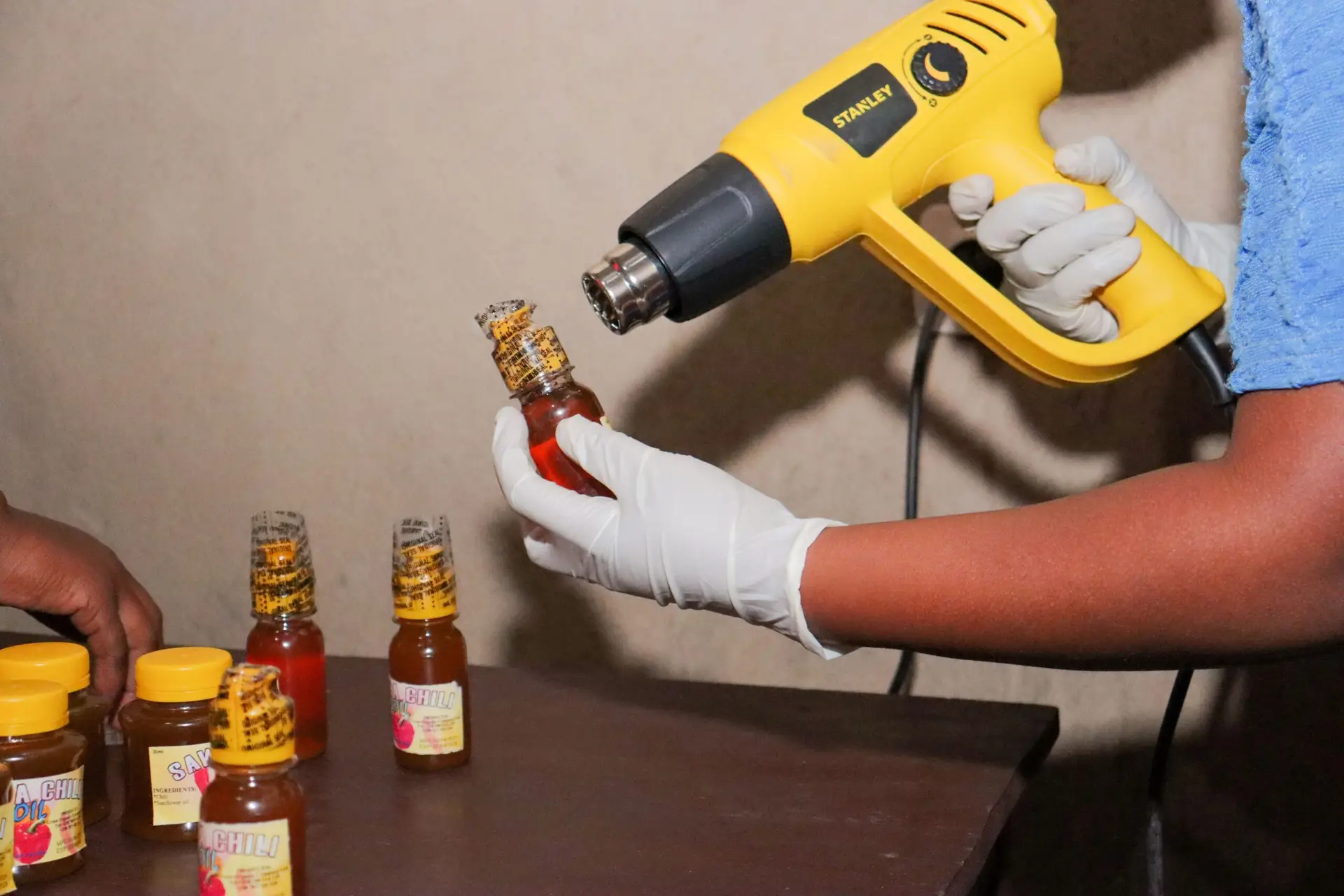
In a modest workshop tucked away in Rwanda’s Kamonyi District, a rich aroma of fresh chilli and ripe avocado fills the air. Amidst sacks of raw produce and rows of neatly labelled bottles, a man in a wheelchair inspects a newly installed processing machine, his eyes scanning it with quiet satisfaction. At first glance, 28-year-old Claude Mutabazi might seem like an unlikely entrepreneur. He had to overcome both physical and systemic barriers in his journey to build a sustainable business using locally available resources, with his story of innovation, resilience, and vision becoming both inspiring and one that is transforming lives beyond his own. It all started in 2019, when Claude noticed a troubling trend during Rwanda’s avocado harvest season.
“Too many farmers were throwing away perfectly good avocados because they had no way to process or sell them,” he recalled. Claude saw the waste as a golden opportunity. This opportunity morphed into Youth Cosmetics Ltd, which he founded to extract oil from surplus avocados and package it for use in skincare products. Starting small and using locally fabricated equipment, the venture quickly gained traction. With time, Claude transitioned to chilli oil and chilli powder production, tapping into the rising demand for natural, locally produced condiments. However, the business was only able to sell their products in Kamonyi.
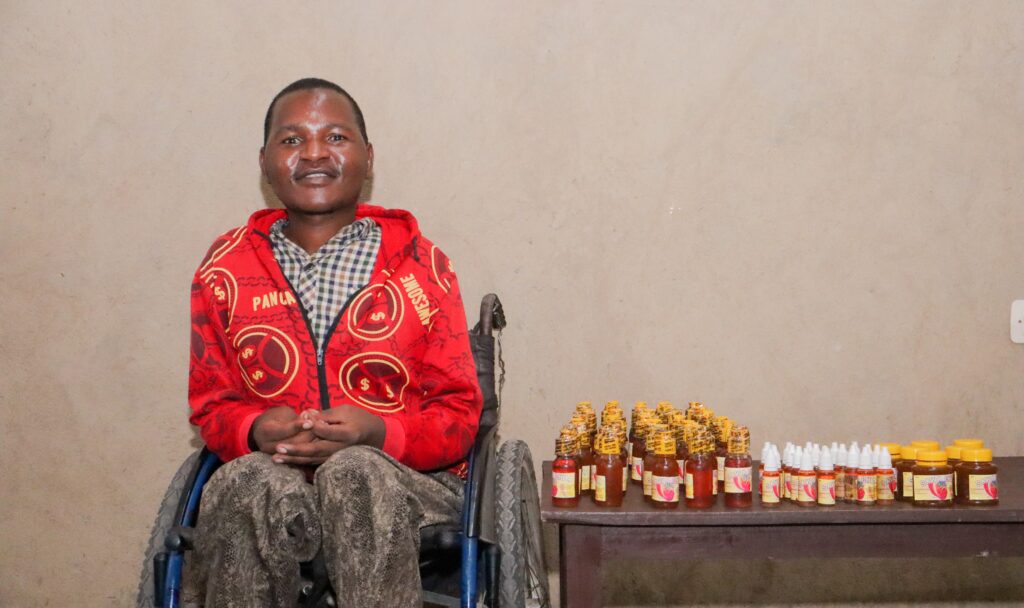
“At the time, we were only operating at about 30% capacity. From 100 kilos of Hass avocados, we could extract just 30 to 50 litres of oil. Much of the raw material went to waste. The same happened with chilli. We were losing both time and value,” he explained, attributing the low production capacity to the lack of appropriate processing equipment.
A turning point came when he joined the Value-Added Initiative to Boost Employment (VIBE), a programme implemented by TradeMark Africa and the International Trade Centre in partnership with the Mastercard Foundation. The initiative is creating dignified employment for women, youth and persons with disabilities working in micro, small and medium-sized enterprises within the horticulture, poultry, meat and dairy value chains. These groups often face myriad constraints, including limited production capacity, difficulties accessing finance, inadequate logistics, challenges meeting quality and compliance standards, restricted market access, limited knowledge of export requirements, and the high costs of engaging in export trade. The programme offered the support Claude needed to leverage for the growth of his business.
Claude’s ambition to expand was also hindered by the absence of product standardisation by the Rwanda Standards Board (RSB) and the Food and Drugs Authority (FDA). Without the S-Mark, a quality certification mark, his products could not legally reach markets outside of Kamonyi District. Shops were hesitant to stock uncertified products, and the prospect of exporting was a distant dream, he recollected. VIBE not only connected Claude to RSB for inspection and guidance, but also equipped him with training in food safety, standardisation, and digital commerce.
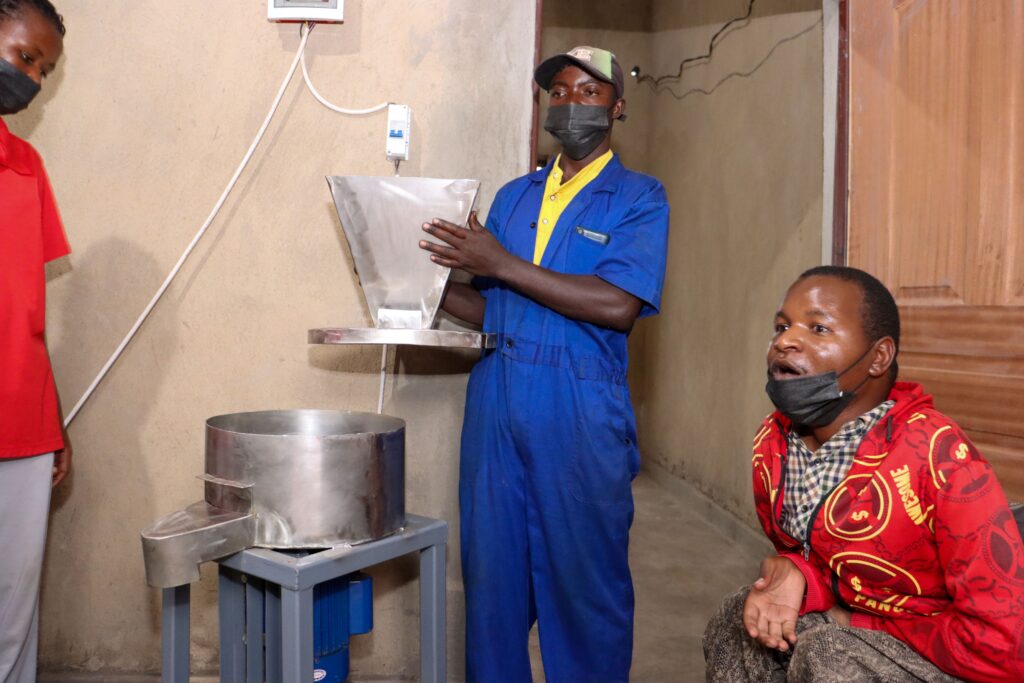
In mid-2025, Youth Cosmetics Ltd reached another milestone when they received a pasteuriser, chilli crusher and packaging unit through the VIBE programme. The machinery enables them to crush chillies, pasteurise the extracted oil and package it efficiently. “This machine has transformed our operations. We are now ready to ramp up production to more than 80% capacity.”
The company is also relocating to a larger facility, a dedicated factory space that meets all requisite standards. Increased production capacity has created a greater demand for raw materials. With support from an agronomist, Youth Cosmetics has begun working directly with five chilli farmer cooperatives through production contracts. The company supplies seeds each season and is preparing to onboard additional farmers, particularly those near swamps and rivers, to secure a consistent year-round supply.
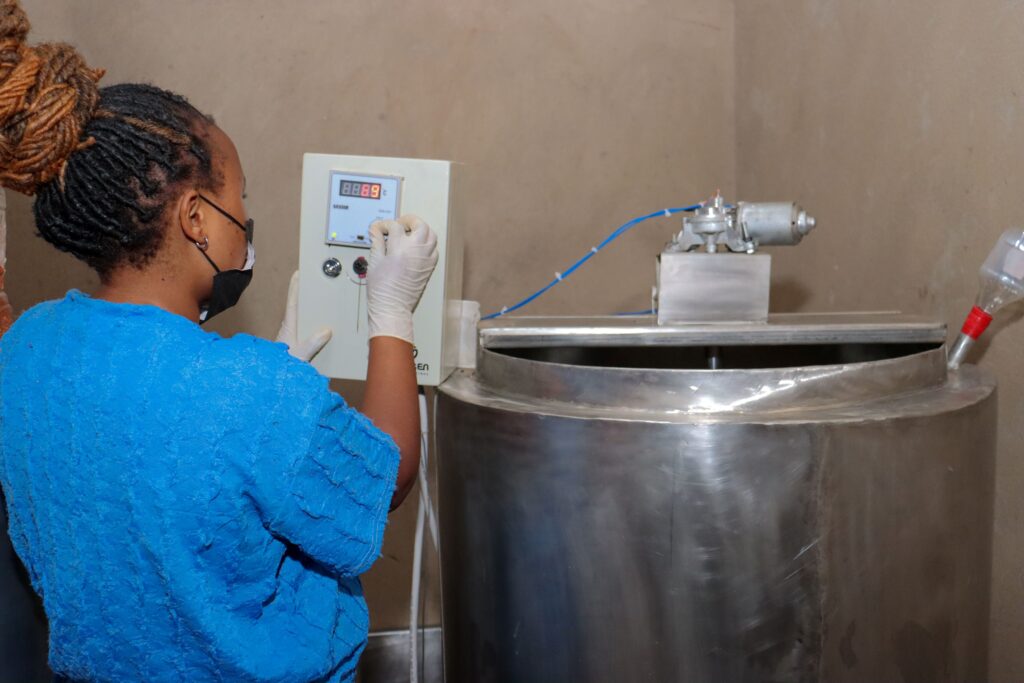
Youth Cosmetics has hired four additional young people on full-time basis, in addition to five casuals who initially supported Claude when he received new raw materials. With the digital skills training they received, Claude and his team now market their products online, reaching customers beyond their immediate region of Kamonyi district. With a newly equipped facility, improved production and certification on the horizon, Claude’s outlook is clear. “Our six-month strategy is to secure the S-Mark and begin distributing across Rwanda. After that, we will target export markets.”