The time is ripe to fully unlock the UK and Africa’s trade potential
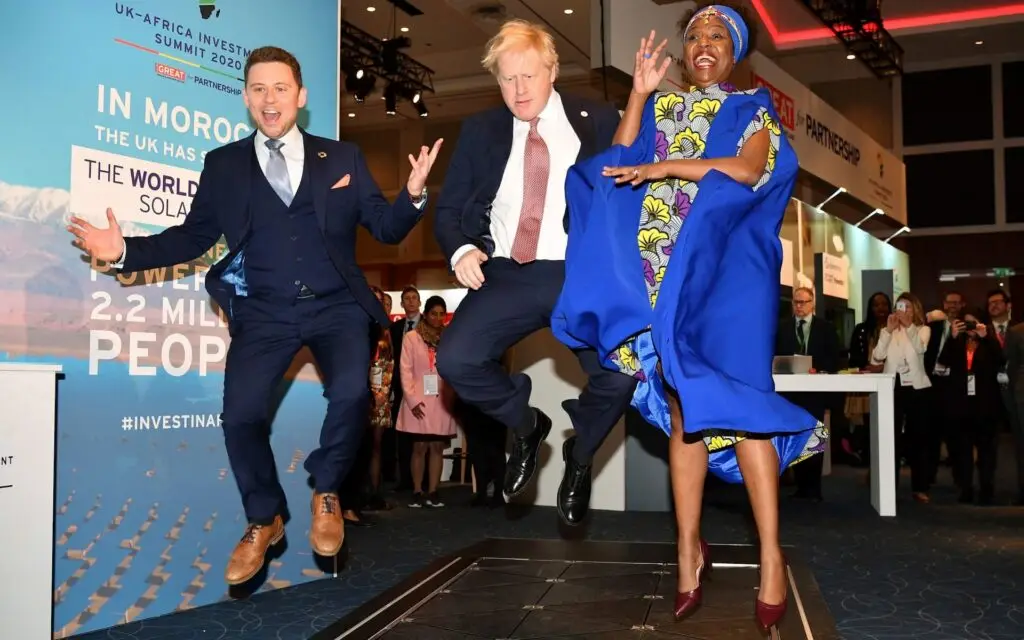
The road to Brexit has been both long and winding, and over the past three and a half years we have heard arguments from both sides as to what this historic change will mean for Britain, and the wider international community. The UK-Africa Investment summit taking place today is a clear indication that despite concerns, […]
You inspired us to take charge of change

We are profoundly saddened at the death of Ali A. Mufuruki, the founding Board Chairperson of TradeMark Africa (2015 – 2018). Ali passed away in South Africa on 8th December 2019. Ali was one of the most remarkable Africans of his generation, an inspirational leader who made great contributions to industrialisation in Africa, to technology and […]
Simulations forecast far-reaching economic benefits for Eastern Africa from AfCFTA
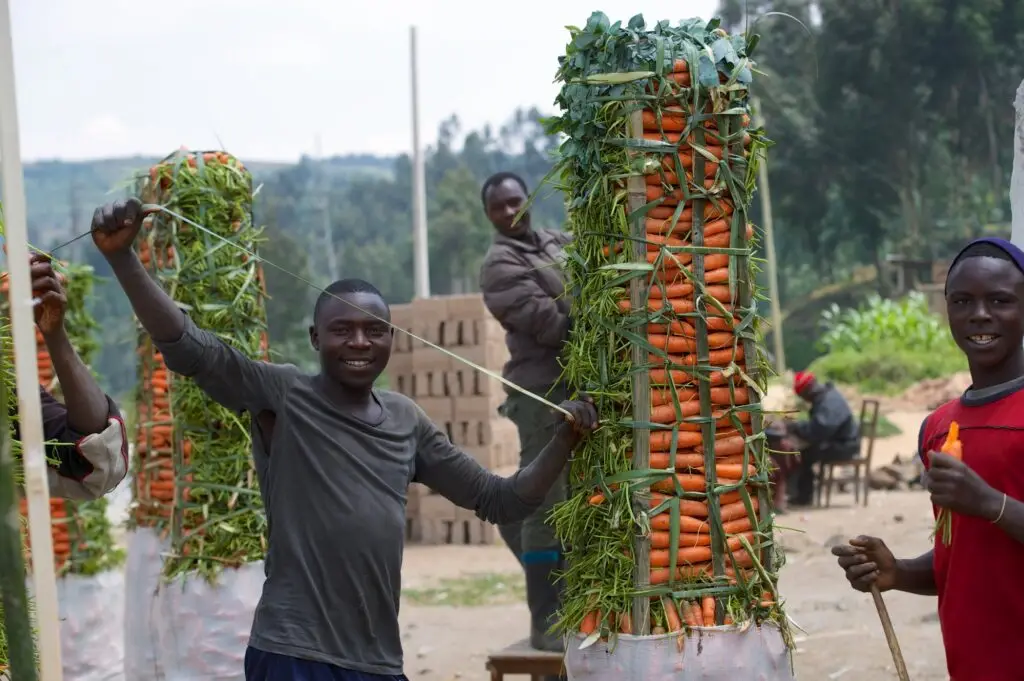
TradeMark Africa and United Nations Economic Commission for Africa Brief History of Integration in Africa The push for greater economic integration in Africa is not a new phenomenon by any means. Efforts to achieve some level of continental integration can be traced as far back as 1960, also nicknamed “the year of Africa” due to […]
Annual Symposium, a Fruit Bowl of Research, Policy and Practice on Inclusion of Women in Trade
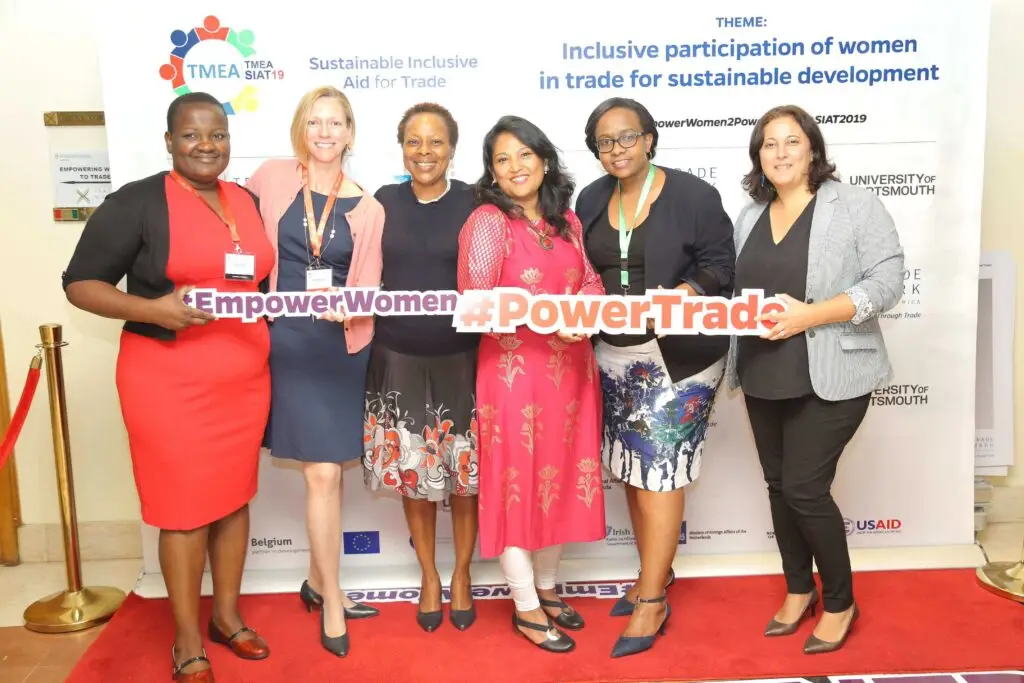
We at TradeMark Africa were pleased to recently launch a series of annual events we call Sustainable and Inclusive Aid for Trade (SIAT) symposia. Our first event, organised in partnership with the University of Portsmouth, brought together over 300 delegates from around the world to learn and share practical experiences and policy approaches to the Inclusive Participation of […]
Non-tariff barriers are key to enabling trade

The Continental Free Trade Area (CFTA) is widely seen as a potential stimulant for economic growth, industrialisation and sustainable development in Africa, despite some challenges which need to be addressed. Fears of significant tariff revenue losses and an uneven distribution of benefits are among the main obstacles to the continent’s market integration. Trade liberalisation in […]
A promising new continent-wide trade agreement for Africa
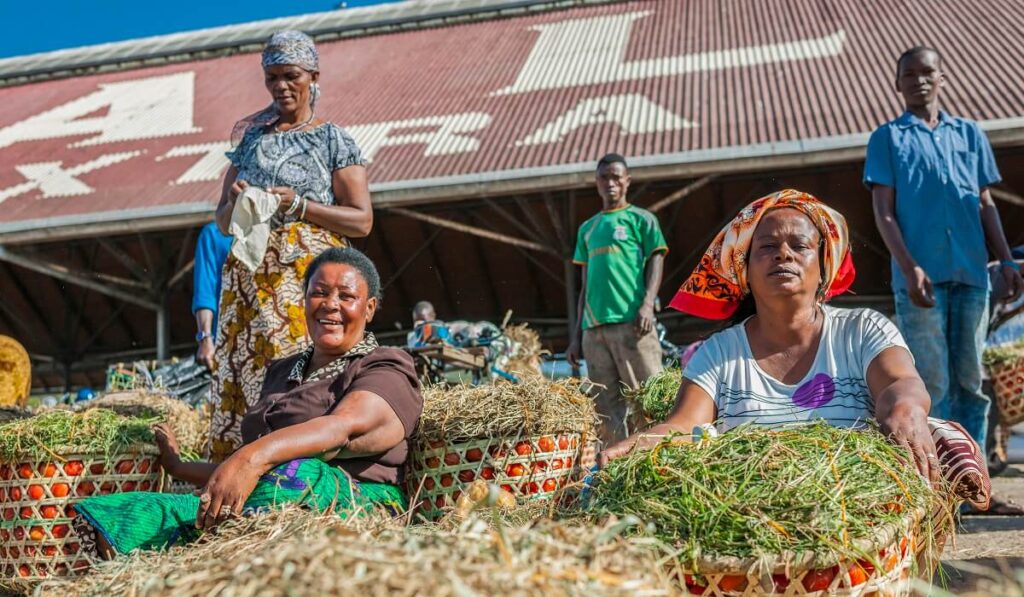
The new African Continental Free Trade Agreement (AfCFTA) is expected to be a game changer, boosting inter-African trade, spurring manufacturing, and creating economic opportunities. But for its benefits to be realised, the details need to be negotiated; and Africa’s leaders need to commit to AfCFTA for the long haul. On 21 March 2018, 44 African […]
Mark of trust: Rwanda expands global market access for local industry

Rwanda is a country of immense potential and countless opportunities.In December 2017, the Rwanda Standards Board (RSB), received the endorsement of the Dutch Accreditation Council (RvA), creating access for Rwandan products to compete in international markets. The RVA is an internationally recognised standards accreditation body. Rwanda Standards Board has been working with TradeMark Africa (TMA), […]
Supporting Kenya’s industrialisation: Mombasa port, SEZs and targeted development cooperation
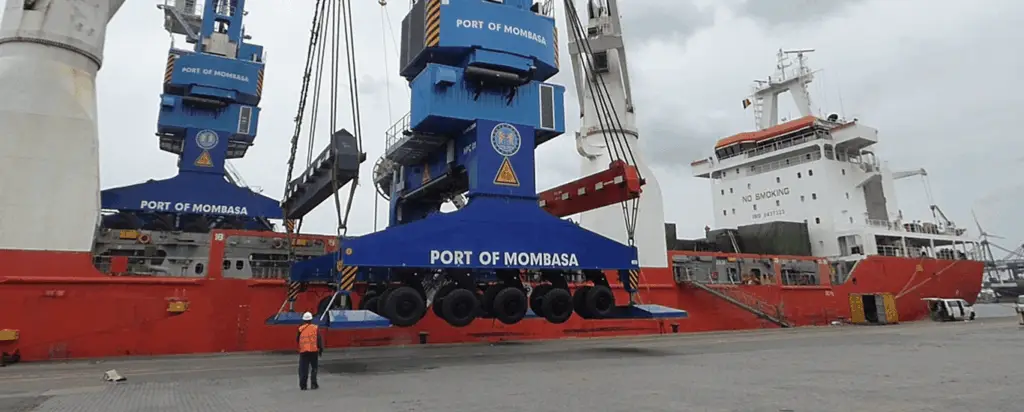
The SET programme has highlighted Kenya’s lagging industrialisation, characterised by falling manufacturing to GDP ratios in the past few decades. Nonetheless, there is a real opportunity in the coming few years to get it right, doubling manufacturing output and creating 300,000 manufacturing jobs in the country. This will require implementation of a range of appropriate policies. The SET […]
Count down to entry into force of the World Trade Organisation Trade Facilitation Agreement

In December 2013, Member Countries of the World Trade Organisation (WTO) concluded negotiations on a Trade Facilitation Agreement (TFA) at their 9th Ministerial Conference as part of the wider “Bali Package”. The TFA is about simplification, standardisation, harmonisation and transparency of trade-related procedures. According to the WTO 2015 Global Trade Report, the impact of implementing WTO […]
TMA positioned to tumble logistics hurdles in Tanzania

Tanzania has recorded an impressive improvement in the area of logistics according to the Global Logistics Index Report prepared by the World Bank in 2016. The country has jumped by about 70 positions to be number 61 out of 156 economies that were ranked as compared to 2014 when it was ranked number 138. The […]