Over four months, TradeMark Africa, with funding from the UK, delivered reforms to strengthen standards systems and trade competitiveness in the Democratic Republic of Congo. The Standards Partnership Project focused on closing gaps in compliance, institutional coordination, and market readiness -areas that have constrained the country’s ability to compete and capture value in regional and global markets.
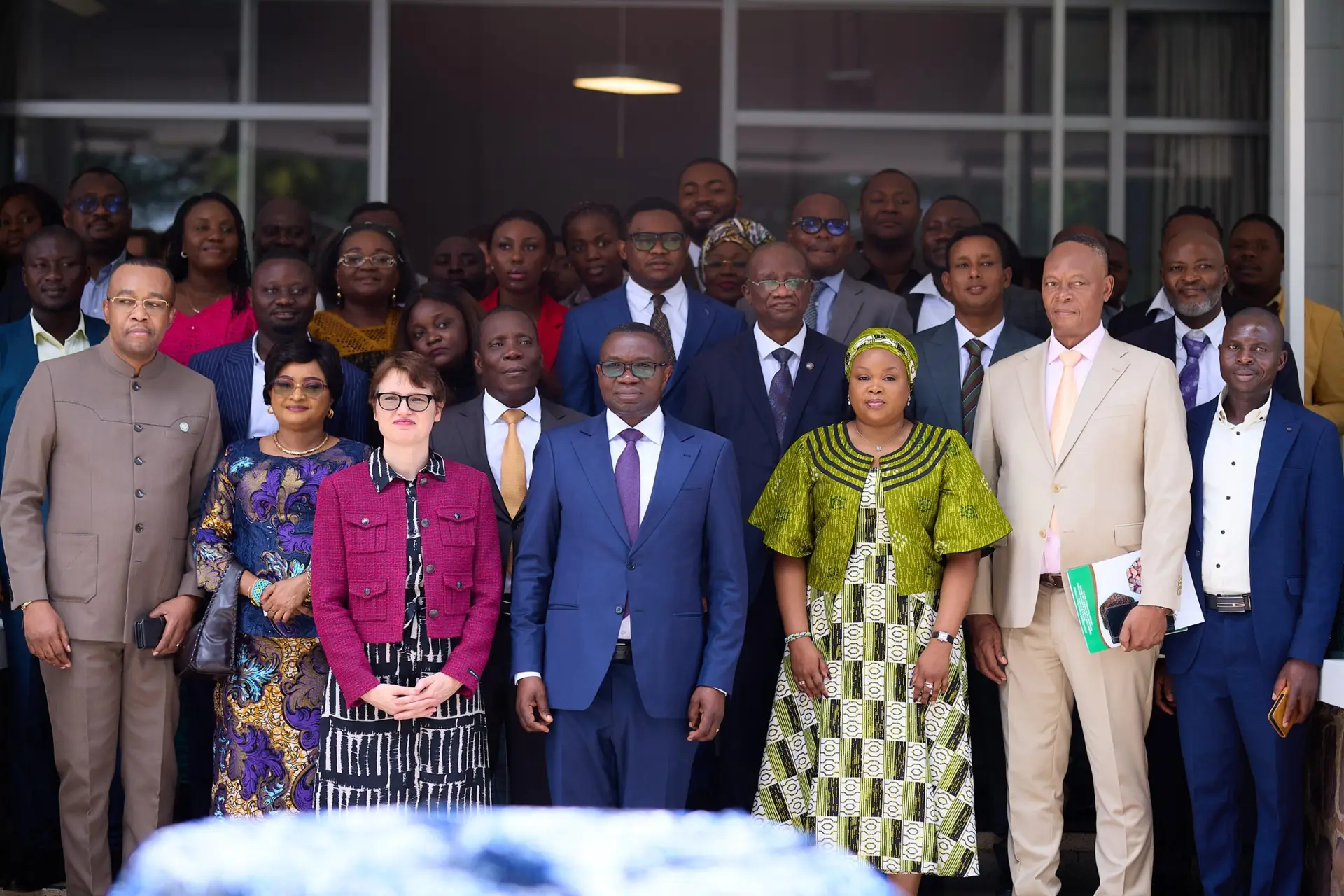
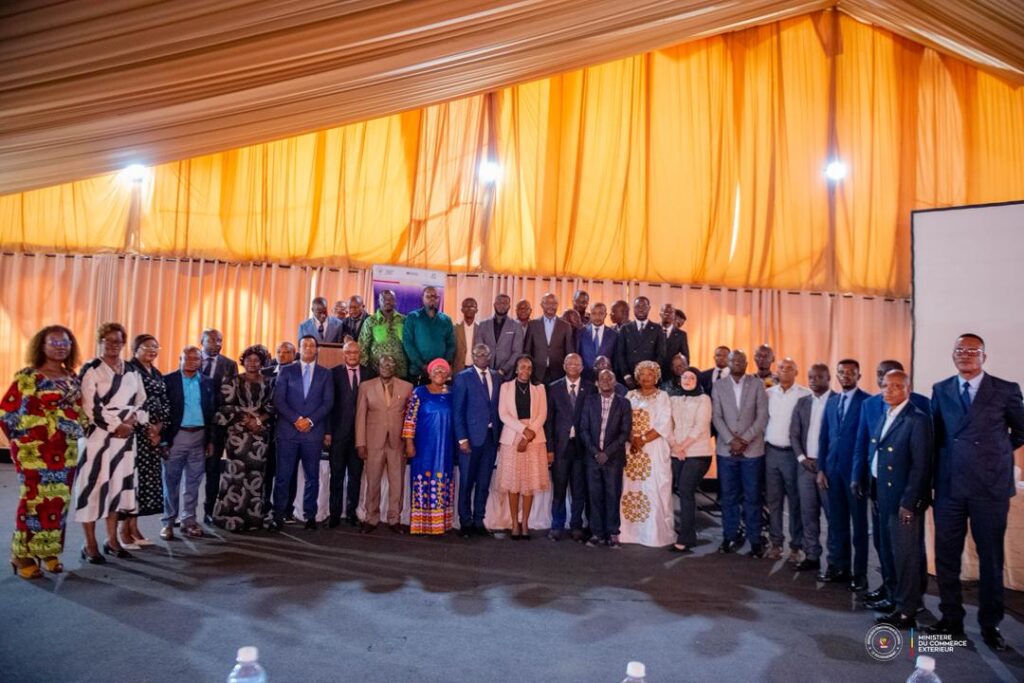
Government agencies, private sector actors, development partners, and beneficiaries convened at the British Embassy in Kinshasa to close the project, assess results, and define priorities for sustaining the gains. The event marked a transition from project delivery to system consolidation.
DRC’s economy remains heavily dependent on mineral exports, while the country imports a significant share of its agricultural needs from neighbouring states. Diversifying exports and building domestic agricultural competitiveness is a national priority. Strengthening standards compliance is central to that agenda – it is what makes Congolese exports competitive and reduces dependence on agricultural imports from neighbours such as Zambia. The intervention addressed a clear constraint. Congolese producers export coffee, cacao, spices, and maize, but capture limited value due to weak standards infrastructure. As global requirements tighten – from EU deforestation regulations to stricter pesticide thresholds – compliance systems increasingly determine market access, pricing, and competitiveness.
The project delivered results at both system and producer level. Over 260 stakeholders- regulators, cooperative leaders, exporters, agronomists, and inspection officers- strengthened their capacity in Sanitary and Phytosanitary and Technical Barriers to Trade measures. Government institutions improved their application of WTO notification procedures, risk-based inspection protocols, and phytosanitary certification. Cooperatives and exporters adopted better practices on moisture control, residue limits, traceability, and quality assurance.
Outreach in Ituri Province extended knowledge to an estimated 100,000 farmers, linking smallholder practices to market requirements and shifting compliance from a perceived cost to a tool for accessing higher-value markets. A ministerial decree establishing the National SPS, Technical Barriers to Trade, and Codex Committees provides a framework for coordinated, science-based regulation. Eighty-seven committee members have begun operational planning, laying the groundwork for sustained oversight, improved food safety systems, and alignment with international trade obligations.
At policy level, the Government of DRC has taken steps to improve the enabling environment. The suspension of the $10 per tonne levy on coffee and cacao exports, in place since 2016, removes a direct cost burden on exporters and signals a shift towards competitiveness-led trade policy. TradeMark Africa also supported the National Export Promotion Agency (ANAPEX) in developing its 2026–2030 Strategic Plan, aligning export development with market intelligence and producer needs. This positions DRC to capitalise on opportunities under the African Continental Free Trade Area, where standards systems will determine participation and value capture.
The structural gaps remain substantial. In Mahagi, 3,400 coffee farmers rely on a single moisture meter. In North Kivu, cacao exits through informal channels and re-enters global markets under foreign labels. At Kasumbalesa, 70% of maize flour consumed in southern DRC is imported from Zambia, while domestic production faces aflatoxin-related trade risks. Addressing these gaps requires sustained investment in standards, systems, and institutions.
The project demonstrates that targeted technical assistance, backed by coordinated government engagement and donor support, can deliver both immediate and systemic change. With strengthened institutions, improved technical capacity, and clearer policy direction, DRC is better placed to meet international standards, expand market access, and increase the value its producers capture