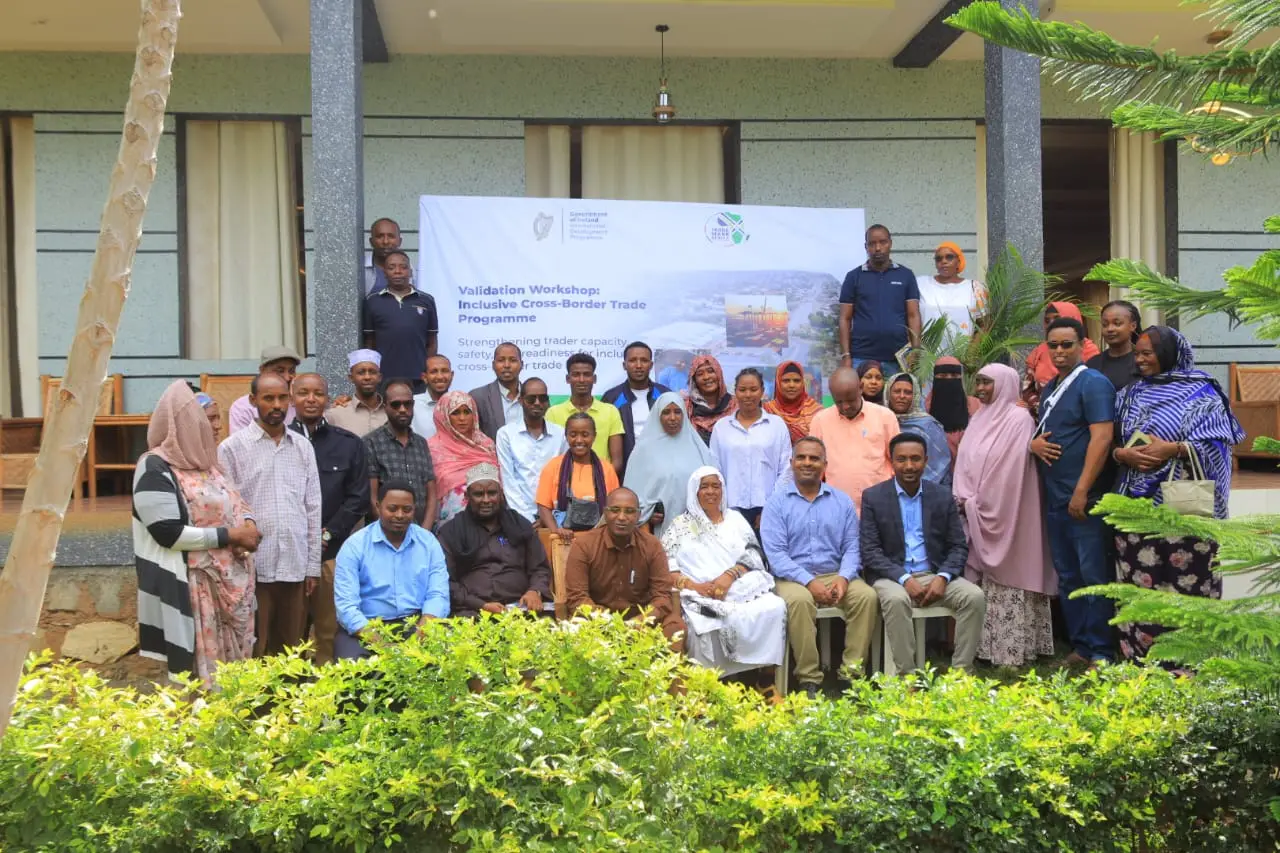
Moyale, Ethiopia/Kenya, 19 December 2025: A one-day validation workshop in Moyale has confirmed that training women traders on border procedures and business practices increases their confidence, reduces reliance on informal routes, and strengthens engagement with formal trade systems.
The workshop, brought together women and youth traders, border agencies, trade officials and local authorities to validate results of the Inclusive Cross-Border Trade for Women Project implemented by TradeMark Africa (TMA) with funding from Irish Aid.
At the Moyale border, where Kenya and Ethiopia meet, women form the backbone of cross-border trade. Yet unclear procedures, fragmented governance and safety concerns have kept their businesses small, informal and exposed to risk. Over several months, 250 women and youth traders and 18 Trainers of Trainers received training on border procedures, Simplified Trade Regime (STR) awareness, business and financial literacy, record keeping, standards compliance, trader rights, safeguarding and conflict resolution.
Speaking on behalf of TradeMark Africa’s Country Director, Abenet Bekele said: “This validation demonstrates that preparedness matters. When women traders understand how border systems work and what their rights are, they make different decisions about how they trade. They use formal routes, they keep better records, and they engage with officials without fear. That shift has economic consequences for their households and for the border economy.”
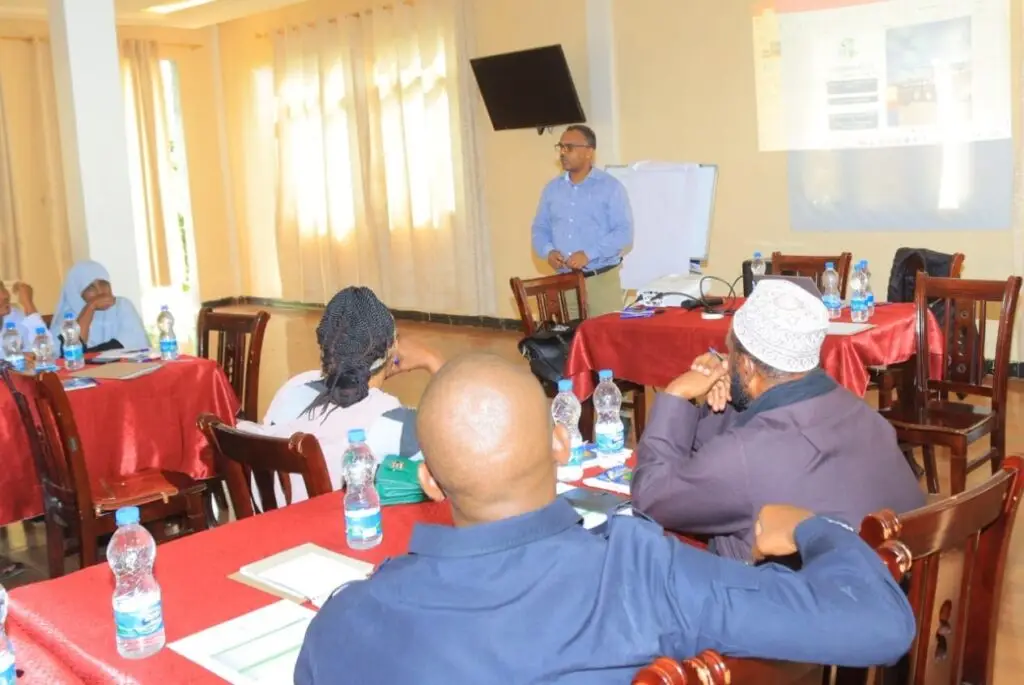
During the validation workshop, traders confirmed that training changed how they approach cross-border trade. Many now understand which documents are required, how fees should be applied and how to engage border officials. This has reduced reliance on informal routes, where traders, particularly women-face higher risks of harassment, confiscation and income loss.
The validation discussions highlighted three areas of change: increased confidence in using formal routes, improved business practices including record keeping and financial management, and peer learning through trader associations that extends impact beyond direct participants.
The workshop did not focus on traders alone. Customs, immigration, trade offices, municipal authorities and border management bodies participated in reviewing findings and technical notes. Agencies agreed on actions including designating focal persons, improving communication with trader associations and working towards fee transparency.
City Trade Bureau Head Halima Isack said: “We have built markets, but infrastructure alone is not enough. Lighting, sanitation, layout and safety determine whether women traders use formal spaces or return to roadside trading. This project shows that making markets work requires shared accountability between traders, border agencies and local government.’’
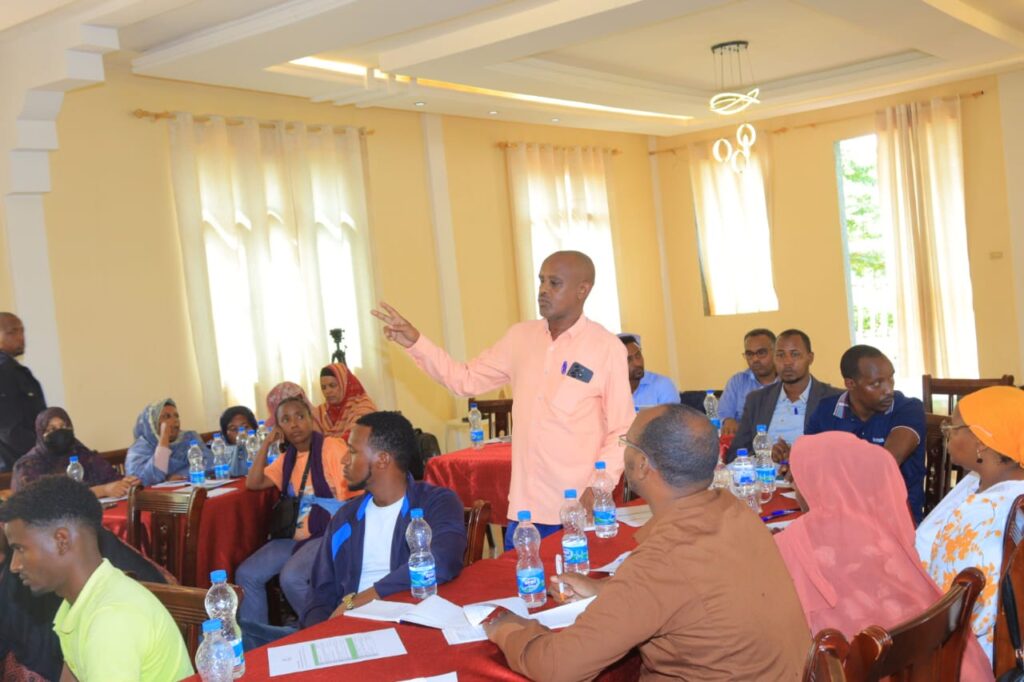
Mr Isack acknowledged that their participation signals a shift towards shared responsibility for making markets work, not just building them.
The project also facilitated a benchmarking visit to the Busia One Stop Border Post, providing Moyale traders and officials with a reference point for coordinated border management. Traders returned with clearer expectations of how systems should work, while officials saw the value of structured engagement with trader groups.
The validation addressed a question for inclusive trade programming: does training matter if systems remain imperfect? The evidence suggests it does-when training is contextual and paired with institutional dialogue. Prepared traders are better positioned to benefit from reforms when they arrive and push systems to perform better by asking informed questions.
The validation also underpinned limits. Capacity building cannot substitute for policy alignment, infrastructure investment or accountable enforcement. Change at Moyale will require Ethiopia’s adoption of the STR, continued cross-border coordination and stronger local government leadership.
The workshop concluded with agreement on priority actions: activating Trainers of Trainers for peer outreach, strengthening municipal involvement in market operations, and sustaining regular Kenya-Ethiopia coordination dialogues to address emerging issues and prepare for STR implementation.