By Andrew Edewa
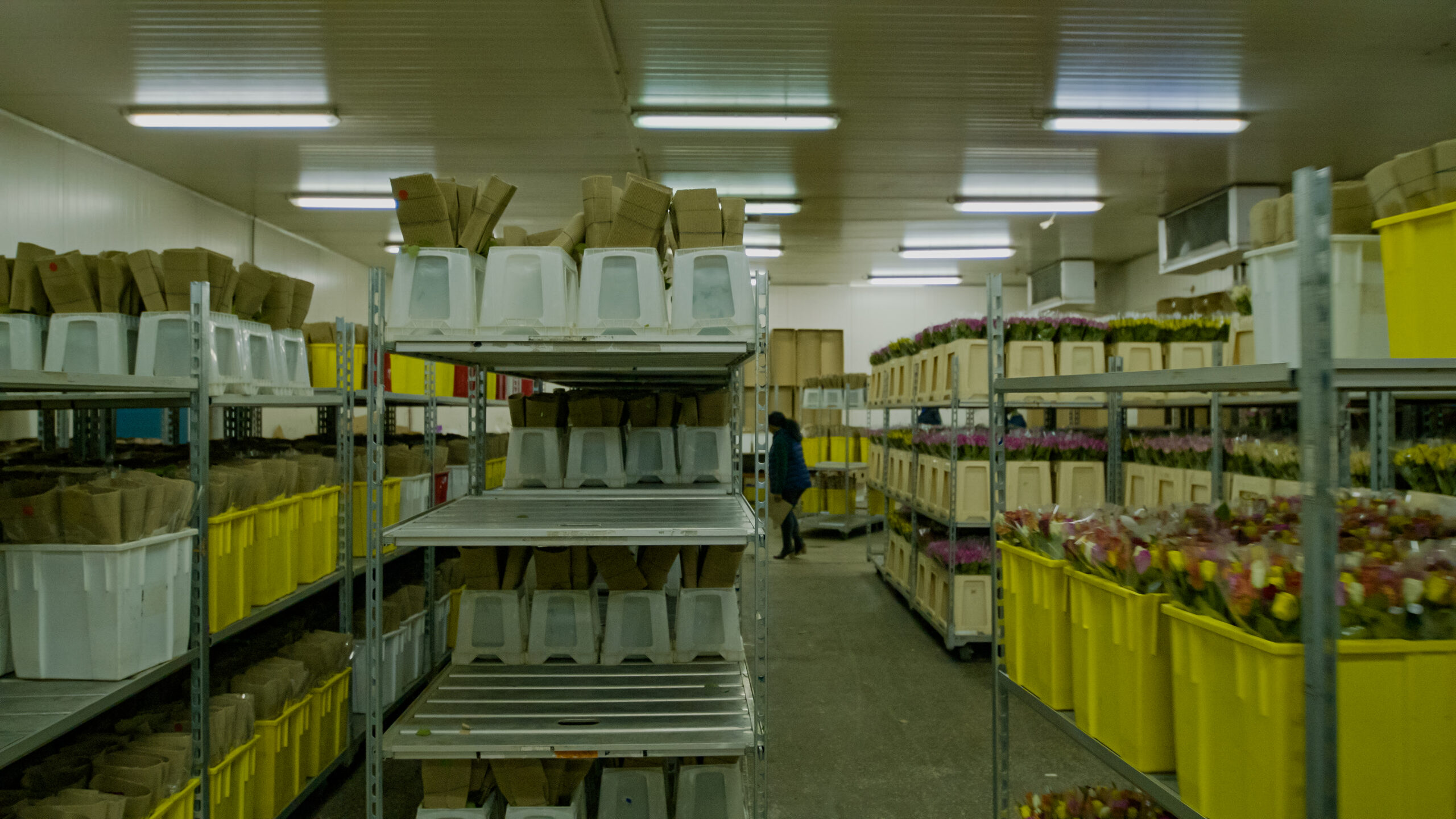
In early 2025, East Africa’s flower industry faced an unexpected threat. The False Codling Moth, a tiny larva, triggered sweeping regulatory action by the European Union, placing billions of dollars in exports and close to a million jobs at risk. For leading producers such as Kenya, Ethiopia and Rwanda, the response had to be swift and precise. What followed offers a revealing account of adaptation, coordination and institutional resilience.
From April 2025, all shipments entering the EU were required to meet tighter surveillance standards and far more exacting documentation requirements. For Kenya and Ethiopia, both ranked among the world’s top flower exporters, the implications were immediate. The market expected near flawless compliance, and any weakness in surveillance or certification risked disrupting trade. Regulators and technical agencies therefore moved quickly to translate the EU regulation into clear operational requirements. They sought clarity on what constituted a credible Systems Approach, how surveillance should be structured, and which elements of documentation would attract scrutiny. Coordinated analysis helped reduce ambiguity and enabled national authorities to benchmark their readiness.
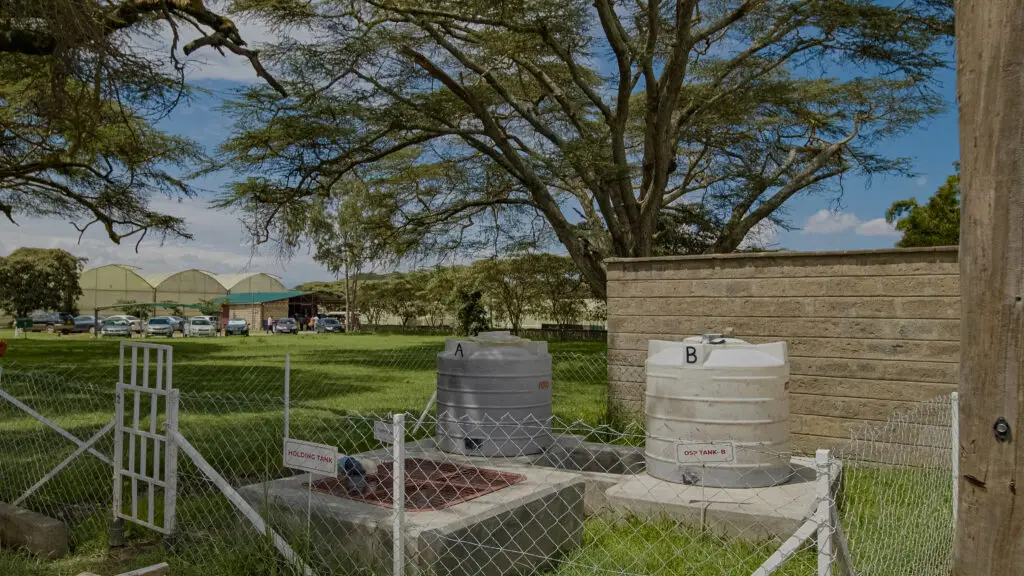
Attention then turned to strengthening the systems that underpin compliance. In Kenya, the Kenya Plant Health Inspectorate Service, supported through the European Union funded Business Environment and Export Enhancement Programme, reinforced surveillance and documentation, contributing to a successful DG SANTE audit in October 2025. In Ethiopia, the Ethiopia Agriculture Authority, working with the Ethiopian Horticulture Producers and Exporters Association and supported through an AFD funded capacity building programme, strengthened the Systems Approach at both farm and airport levels. Surveillance procedures were upgraded, inspection standard operating procedures were redrafted to align with international standards, and inspectors received targeted training ahead of the November DG SANTE audit. Rwanda, having missed an earlier deadline, began rebuilding its sanitary and phytosanitary architecture through the Mastercard Foundation’s VIBE programme. The Rwanda Inspection and Competition Authority, working with the National Agricultural Export Development Board, invested in traceability, inspection and monitoring across key value chains.
The results have been felt across the region. Kenya’s floriculture exports are projected to exceed one billion dollars for the first time. Ethiopia is expected to cross the half billion dollar mark. Rwanda is positioning itself to regain compliance and expand its horticultural footprint. Thousands of workers whose livelihoods depend on the sector have avoided what could have been a severe economic shock.
The episode offers a broader lesson about modern trade. Quality alone is no longer sufficient. Market access increasingly depends on the strength of inspection regimes, the credibility of digital traceability systems and the agility of regulatory responses. For countries that invest early in these systems, the reward is not only compliance, but resilience, influence and sustained growth in high value global markets. As climate pressures intensify and importing economies tighten biosecurity controls, those with robust sanitary and phytosanitary systems will be better placed to withstand regulatory shocks.
The author is the Director, Standards and Sanitary and Phytosanitary Measures at TradeMark Africa